

To open a drill bit, you need to understand how to attach it to the drill. Here's a step-by-step guide based on the type of chuck your drill has:
For Keyless Chucks:
1.Ensure Safety: Unplug the drill or remove the battery.
2.Loosen the Chuck: Grip the chuck and turn it counterclockwise to loosen it.
3.Insert the Bit: Place the drill bit into the chuck, ensuring it's centered.
4.Tighten the Chuck: Turn the chuck clockwise to secure the bit.
5.Check the Bit: Gently tug on the bit to ensure it's firmly in place.
For Keyed Chucks:
1.Ensure Safety: Unplug the drill or remove the battery.
2.Insert the Chuck Key: Place the chuck key into one of the chuck's holes.
3.Loosen the Chuck: Turn the key counterclockwise to open the chuck.
4.Insert the Bit: Place the drill bit into the chuck.
5.Tighten the Chuck: Use the key to turn the chuck clockwise and secure the bit.
6.Check the Bit: Gently tug on the bit to ensure it's firmly in place.
Tips for Opening a Drill Bit:
Use the Right Tools: For keyed chucks, always use the chuck key provided with the drill.
Safety First: Always wear safety goggles and gloves when working with power tools.
Regular Maintenance: Keep your drill bits clean and sharp to ensure optimal performance.
how to organize your drill bits
Organizing your drill bits is essential for maintaining their condition and ensuring you can find the right bit when you need it. Here's a detailed guide to help you keep your drill bits organized:
1. Use a Drill Bit Organizer
A drill bit organizer is a tool specifically designed to hold and protect your drill bits. These organizers come in various forms:
Plastic Cases: These cases have compartments for different sizes and types of bits.
Magnetic Strips: Magnetic strips can hold metal bits securely and are often used in toolboxes.
Tool Roll: A tool roll with pockets can keep your bits organized and prevent them from rolling around.
2. Label Your Bits
Labeling your drill bits can help you quickly identify the size and type of each bit. You can use:
Permanent Marker: Write the size directly on the bit or on a label.
Color-Coded Labels: Use different colors to indicate different types or sizes of bits.
3. Sort by Size and Type
Organize your drill bits by size and type to make it easier to find the one you need:
Fractional Sizes: Group bits by their fractional sizes (e.g., 1/16 inch, 1/8 inch).
Decimal Sizes: Group bits by their decimal sizes (e.g., 0.0135 inch, 0.019 inch).
Metric Sizes: Group bits by their metric sizes (e.g., 1.0 mm, 1.5 mm).
4. Use a Magnetic Bit Holder
A magnetic bit holder can keep your bits organized and within reach. These holders are often mounted on toolboxes or workbenches and can hold a variety of bits securely.
5. Store in a Toolbox or Drawer
Keep your drill bits in a designated toolbox or drawer to prevent them from getting lost or damaged. Use dividers or compartments to separate different sizes and types of bits.
6. Hang Bits on a Pegboard
If you have a pegboard in your workshop, you can hang your drill bits using hooks or pegs. This method keeps your bits visible and easily accessible.
7. Use a Bit Rack
A bit rack is a simple and effective way to organize your drill bits. These racks can be mounted on walls or placed on workbenches and have slots for different sizes of bits.
Tips for Effective Organization
Clean Your Bits: Regularly clean your drill bits to remove debris and prevent rust.
Inspect for Damage: Check your bits for any signs of wear or damage and replace them if necessary.
Keep a Backup Set: Consider keeping a backup set of commonly used bits to avoid delays in your projects.
how to pick a drill bit
Choosing the right drill bit for your project is crucial for achieving precise and efficient drilling results. Here's a detailed guide on how to pick the right drill bit based on the material you are drilling into and the specific task at hand:
1. Determine the Material You Are Drilling
Different materials require different types of drill bits. Here's a breakdown of the most common materials and the corresponding drill bits:
Wood
Twist Drill Bits: General-purpose bits suitable for wood, plastic, and soft metals.
Brad Point Bits: Designed for precise drilling in wood, with a sharp point and spurs to create clean holes.
Spade Bits: Flat bits with a pointed tip, ideal for making large holes in wood.
Auger Bits: Long, spiral bits with a screw tip, perfect for drilling deep holes in wood.
Metal
High-Speed Steel (HSS) Drill Bits: Suitable for general-purpose drilling in soft metals like aluminum and mild steel.
Cobalt Drill Bits: More durable and heat-resistant, ideal for harder metals like stainless steel.
Carbide-Tipped Drill Bits: Extremely hard and durable, suitable for drilling into very hard metals.
Masonry (Concrete, Brick, Stone)
Masonry Drill Bits: Carbide-tipped bits designed for drilling into concrete, brick, and stone.
SDS Drill Bits: Specialized bits for use with hammer drills, offering greater durability and efficiency in masonry work.
Glass and Tile
Diamond-Tipped Drill Bits: Ideal for drilling into glass, ceramic tiles, and other brittle materials.
Plastic
Twist Drill Bits: General-purpose bits that work well for drilling through plastic.
Specialized Plastic Bits: Some bits are specifically designed for plastic to prevent melting or cracking.
2. Consider the Size of the Hole You Need
Diameter: Choose a drill bit that matches the diameter of the hole you need. Common sizes include 1/16 inch, 1/8 inch, 3/16 inch, 1/4 inch, 5/16 inch, 3/8 inch, 7/16 inch, and 1/2 inch.
Length: Ensure the bit is long enough to reach the required depth of the hole.
3. Check the Drill Bit's Shank Type
Straight Shank: Suitable for most drills with standard chucks.
Hex Shank: Provides a better grip and prevents slipping in quick-change chucks.
SDS Shank: Designed for hammer drills and rotary hammers, offering greater durability and efficiency.
4. Consider the Bit's Coating
Titanium Coating: Enhances durability and reduces friction, making bits sharper for longer.
Black Oxide Coating: Provides additional durability and resistance to rust.
5. Inspect the Bit for Quality
Sharp Edges: Ensure the cutting edges are sharp and free from damage.
Uniformity: The bit should be symmetrical and free from defects.
Tips for Picking the Right Drill Bit
Match the Bit to the Material: Always choose a bit designed for the specific material you are drilling.
Consider the Application: For heavy-duty applications, invest in higher-quality bits made from materials like cobalt or carbide.
Check the Bit's Condition: Inspect the bit for any signs of wear or damage before use.
how to prevent drill bit from slipping
Preventing a drill bit from slipping is crucial for achieving accurate and efficient drilling. Here are several effective methods to ensure your drill bit stays in place and drills precisely:
1. Use a Center Punch
Create an Indentation: Use a center punch to create a small indentation at the exact spot where you want to drill the hole. This indentation will guide the drill bit and prevent it from walking or slipping.
Secure the Material: Clamp the material to prevent it from moving while drilling.
2. Drill a Pilot Hole
Start with a Smaller Bit: Drill a small pilot hole first. This hole will guide the larger drill bit and help it stay in place.
Align the Bit: Ensure the drill bit is aligned with the pilot hole before starting.
3. Secure the Material
Clamp the Material: Use clamps or a vise to hold the material securely in place. This prevents the material from moving and helps keep the drill bit stable.
Mark the Spot: Use a marker or a center punch to mark the exact spot where you want to drill the hole.
4. Choose the Right Drill Bit
Sharp and Suitable: Ensure the drill bit is sharp and suitable for the material you are drilling. Dull or damaged bits are more likely to slip.
Correct Size: Use the correct size drill bit for your application. A bit that is too large or too small can cause slipping.
5. Apply Moderate Pressure
Let the Drill Do the Work: Apply gentle, consistent pressure while drilling. Avoid pressing too hard, as this can cause the bit to slip or the material to crack.
Start Slow: Begin drilling at a slow speed to ensure the bit starts cutting smoothly.
6. Use Lubrication
Reduce Friction: Apply a lubricant or cutting fluid to the drill bit and the surface being drilled. This reduces friction and heat, helping the bit cut more smoothly and reducing the risk of slipping.
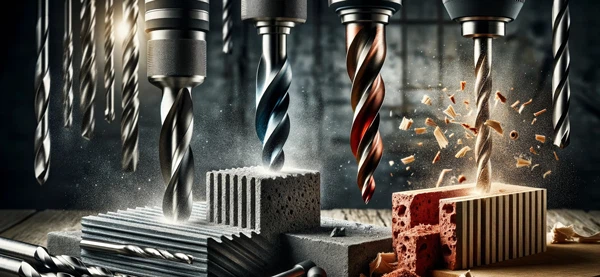
7. Use a Drill Guide
Stabilize the Drill Bit: A drill guide or a drill press can help stabilize the drill bit and ensure it drills straight and accurately.
8. Maintain the Drill
Inspect the Chuck: Regularly inspect the chuck for signs of wear or damage. A worn chuck may not hold the bit securely.
Check the Bit: Regularly inspect the drill bit for signs of wear or damage. Replace dull or damaged bits promptly.
9. Drill at the Correct Angle
Perpendicular to the Surface: Ensure the drill is held perpendicular to the material's surface. This helps the bit cut more effectively and reduces the risk of slipping.
10. Use a Countersink Bit
For Flat-Head Screws: If you are drilling holes for flat-head screws, use a countersink bit to create a conical hole. This ensures the screw head sits flush with the surface and reduces the risk of the bit slipping.
how to prevent drill bits from breaking
To prevent drill bits from breaking, follow these comprehensive tips:
1. Use Proper Drilling Techniques
Apply Even Pressure: Avoid applying excessive force when drilling. Let the drill do the work and apply gentle, steady pressure.
Adjust Speed: Use appropriate drilling speeds based on the material. Slower speeds are better for harder materials.
Pilot Holes: Drill pilot holes to reduce stress on the bit and ensure more accurate drilling.
2. Choose the Right Drill Bit
Material-Specific Bits: Use drill bits designed for the specific material you are drilling (e.g., HSS for metal, carbide for masonry) to reduce wear and prevent breakage.
High-Quality Bits: Invest in high-quality drill bits made from durable materials like stainless steel or cobalt.
3. Cooling and Lubrication
Use Cutting Fluids: Apply cutting oil or water-soluble lubricants to reduce friction and heat buildup.
Take Breaks: Allow the drill bit to cool periodically during prolonged drilling sessions.
4. Regular Maintenance
Keep Bits Sharp: Regularly sharpen your drill bits to maintain cutting efficiency and reduce the need for excessive force.
Inspect Bits: Regularly check for signs of wear or damage and replace dull or damaged bits.
5. Proper Storage
Dry Environment: Store drill bits in a dry, low-humidity environment to prevent rust.
Organized Storage: Use a drill bit storage case or organizer with individual slots to prevent bits from knocking into each other.
6. Avoid Common Mistakes
Avoid Lateral Force: Ensure that force is applied directly behind the drill bit to prevent lateral stress.
Prevent Overheating: Monitor heat buildup and take steps to cool the bit if it becomes too hot.

7. Use the Right Drill
Power and Torque: Select a drill with sufficient power and torque to handle the extended drill bit.
Stability: Use a drill press for more stability and control, especially for deep or precise holes.
8. Monitor Bit Temperature
Keep an Eye on Temperature: If the bit becomes too hot to touch comfortably, take a break to allow it to cool down.
9. Workpiece Clamping
Secure the Workpiece: Clamp or secure the material firmly to prevent movement during drilling. This reduces vibration and heat generation, ensuring a stable cutting environment.
how to properly sharpen a drill bit
Sharpening a drill bit is a skill that can save you time and money, and ensure your tools are always ready for use. Here's a comprehensive guide on how to properly sharpen a drill bit using various methods:
Using a Bench Grinder
1.Safety First: Always wear safety glasses and gloves to protect yourself from sparks and heat.
2.Prepare the Bit: Clean the bit to remove any debris or oil.
3.Hold the Bit at the Right Angle: Hold the drill bit at a 60-degree angle to the grinding wheel. This angle helps maintain the bit's original shape and ensures even sharpening.
4.Grind in Short Bursts: Gently press the bit against the wheel for a second or two, then pull back. Repeat in short bursts to avoid overheating the bit.
5.Cool the Bit: Dip the bit in water periodically to prevent overheating, which can weaken the metal.
6.Match Both Sides: Ensure both cutting edges are sharpened evenly. Uneven edges can cause the bit to wobble and produce inaccurate holes.
7.Check the Tip: The cutting edges should meet at a clean point. No chips or flat spots should be present. If the tip looks symmetrical and sharp, you're done.
Using a File
1.Secure the Bit: Clamp the drill bit in a vise to hold it steady.
2.File the Edges: Use a flat file to gently sharpen the cutting edges. Maintain the original angle of the bit.
3.Check Progress: Regularly inspect the bit to ensure even sharpening.
4.Repeat for the Other Side: Turn the bit over and repeat the process for the other cutting edge.
Using a Drill Bit Sharpener Tool
1.Adjust the Sharpener: Set the sharpener to the correct angle (usually 118 degrees for general-purpose bits).
2.Secure the Bit: Place the drill bit in the holder and ensure it is firmly in place.
3.Sharpen the Bit: Turn on the sharpener and guide the bit through the sharpening slots. Allow the machine to do the work.
4.Check the Bit: Inspect the bit to ensure both sides are sharpened evenly.
Tips for Best Results
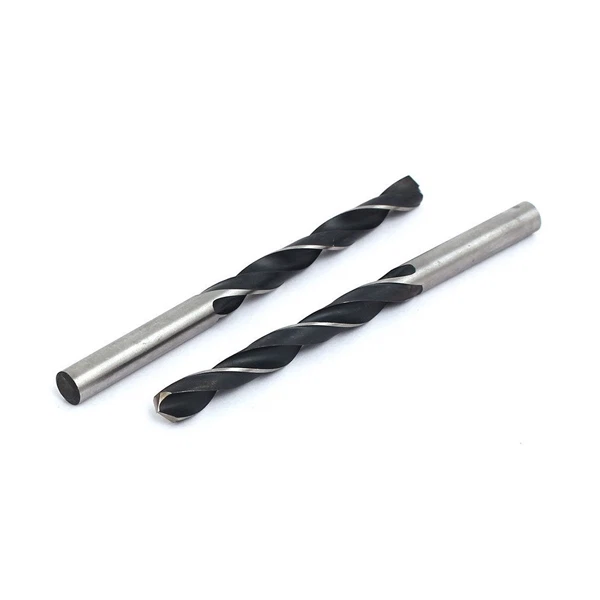
Maintain the Correct Angle: Most standard twist drill bits have a point angle of 118 degrees (59 degrees per side). Maintaining this angle is crucial for effective sharpening.
Cool the Bit: Overheating can weaken the bit, so dip it in water to keep it cool.
Practice on Old Bits: Before sharpening your favorite bits, practice on old or worn ones to get the hang of it.
Label Sharp Bits: Mark sharp bits with a dot of paint to easily identify them.
Common Mistakes to Avoid
Applying Too Much Pressure: This can overheat and damage the bit.
Grinding Only One Side: This results in an off-center point and uneven cutting.
Creating Uneven Cutting Edges: This causes wobbling and inaccurate holes.
Removing Too Much Material: This shortens the bit's life.
how to release a stuck drill bit
To release a stuck drill bit, you can follow these step-by-step techniques:
1. Assess the Situation
Determine why the drill bit is stuck and how deep it is lodged in the material. Understanding the extent of the issue will help you choose the appropriate tools and method for extraction.
2. Select the Right Tools
Ensure you have the necessary tools for the job. You'll need pliers, a drill extractor set, lubricant, safety gear such as goggles and gloves, a heat source like a torch or heat gun, a drill, and a workbench or clamps to secure the material.
3. Prepare the Work Area
Secure the material firmly in place using a workbench or clamps to prevent any movement during the extraction. Put on your safety gear to protect yourself during the procedure.
4. Apply Lubricant
To ease the extraction process, apply lubricant to the stuck drill bit. Allow the lubricant to penetrate the material around the bit, helping to loosen it and reduce friction during extraction.
5. Use the Drill Extractor Set
Select the appropriate size extractor from your drill extractor set. Carefully attach it to your drill following the manufacturer's instructions. Slowly and steadily drill into the stuck drill bit in reverse to avoid damaging the material.
6. Apply Heat (If Necessary)
If the drill bit remains stubborn, use a heat source to apply heat to the surrounding area. Heat can expand the material, making it easier to extract the bit. Be cautious when using heat and ensure safety precautions are in place.
7. Extract the Drill Bit
Once you have drilled into the stuck bit and applied heat if needed, use the extractor to carefully remove the drill bit from the material. Apply steady pressure while turning the extractor counterclockwise to pull out the bit.
Safety Precautions
Wear Protective Gear: Always wear safety goggles to protect your eyes from any flying debris.
Secure Workpiece: Ensure that the work material is securely clamped or held in place to avoid any unexpected movements while drilling.
Power Off: Before attempting to drill out the stuck bit, ensure that the power to the drill is switched off to prevent any accidental starts.
Cool Down: If the drill bit is stuck due to heat buildup, allow it to cool down before attempting to remove it to avoid burns.
Proper Ventilation: Work in a well-ventilated area to prevent inhaling fumes or dust generated during the extraction process.
how to replace drill bit dewalt
To replace a drill bit on a DeWalt drill, follow these steps:
For a Keyless Chuck:
1.Ensure Safety: Unplug the drill or remove the battery to prevent accidental activation.
2.Loosen the Chuck: Hold the drill firmly and turn the chuck counterclockwise by hand.
3.Remove the Bit: Once the chuck is loose, gently pull the drill bit out.
4.Insert the New Bit: Place the new drill bit into the chuck and turn the chuck clockwise to tighten it.
5.Test the Bit: Power on the drill and perform a test drill to ensure the bit is secure.
For a Keyed Chuck:
1.Ensure Safety: Unplug the drill or remove the battery.
2.Locate the Chuck Key: Find the chuck key, which is usually stored with your tools.
3.Insert the Chuck Key: Insert the key into the hole on the side of the chuck.
4.Turn the Chuck Key: Turn the key counterclockwise to loosen the chuck.
5.Remove the Bit: Once loosened, gently pull the drill bit out.
6.Insert the New Bit: Insert the new bit into the chuck and turn the key clockwise to tighten it.
Tips for Maintenance:
Regular Cleaning: Clean the chuck and drill bit regularly to remove debris.
Proper Storage: Store your drill in a cool, dry place and remove the battery before storing.


