


Tightening a drill bit properly is crucial for ensuring that it stays securely in place while drilling. This helps prevent slipping, which can lead to inaccurate holes or damage to the bit. Here's a step-by-step guide on how to tighten a drill bit, whether you're using a keyless chuck or a keyed chuck:
For Keyless Chucks (most modern drills)
Keyless chucks are designed to be tightened and loosened by hand, without the need for a separate key. They are quick and easy to use.
Steps:
1.Insert the Drill Bit:
Hold the drill bit by its shank (the non-cutting end).
Insert the bit into the chuck, ensuring it is fully seated and centered.
2.Secure the Bit:
Grip the chuck with your fingers and thumb. Make sure you have a firm hold.
Turn the chuck clockwise to tighten the bit. You should feel resistance as the chuck grips the bit.
3.Check the Bit:
Pull the bit gently to ensure it is securely held in place.
If the bit feels loose, continue tightening the chuck until it is snug.
4.Test the Drill:
Turn on the drill and let it run for a few seconds. The bit should spin smoothly without wobbling.
If the bit wobbles or feels loose, stop the drill and retighten the chuck.
For Keyed Chucks (older drills)
Keyed chucks require a chuck key to tighten and loosen the drill bit. These chucks are less common on modern drills but are still found on some older models.
Steps:
1.Insert the Drill Bit:
Hold the drill bit by its shank.
Insert the bit into the chuck, ensuring it is fully seated and centered.
2.Locate the Chuck Key:
Find the chuck key, which is usually stored on the side of the drill or in the drill case.
3.Insert the Chuck Key:
Insert the chuck key into one of the three holes on the chuck. Make sure it fits snugly.
4.Tighten the Chuck:
Turn the chuck key clockwise to tighten the chuck. Apply steady pressure and turn until the bit is secure.
Move the key to the next hole and repeat the process. Do this for all three holes to ensure even tightening.
5.Check the Bit:
Pull the bit gently to ensure it is securely held in place.
If the bit feels loose, continue tightening the chuck using the key.
6.Test the Drill:
Turn on the drill and let it run for a few seconds. The bit should spin smoothly without wobbling.
If the bit wobbles or feels loose, stop the drill and retighten the chuck using the key.
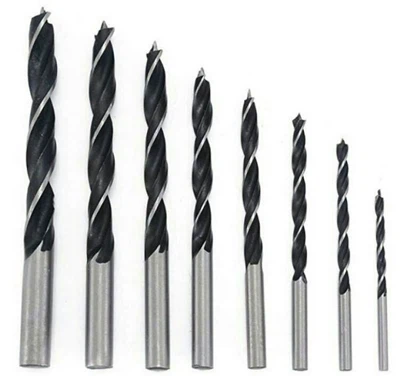
Tips for Tightening Drill Bits
1.Avoid Over-Tightening: While it's important to secure the bit, over-tightening can damage the chuck or the bit. Use just enough force to ensure the bit is snug.
2.Keep the Drill Off:
Always turn off the drill before inserting or tightening the bit. This prevents accidental drilling and ensures safety.
3.Use the Right Chuck:
Ensure the chuck is compatible with the drill bit size. Some chucks are designed for specific shank sizes (e.g., 1/4" hex shank for impact drivers).
4.Regular Maintenance:
Periodically check the chuck for wear or damage. A worn chuck may not grip the bit properly, leading to slipping.
how to tell size of drill bit
Determining the size of a drill bit is essential for ensuring the right fit and performance in your drilling tasks. Here's a detailed guide on how to identify the size of a drill bit:
Tools Needed
Digital Calipers: These provide precise measurements and are ideal for measuring drill bits.
Ruler or Tape Measure: For less precise measurements.
Micrometer: For extremely precise measurements, especially for very small drill bits.
Steps to Determine the Size of a Drill Bit
1. Identify the Type of Drill Bit
Drill bits come in various types, including twist bits, masonry bits, and Forstner bits. Each type may have different size markings or standards.
2. Measure the Diameter
The diameter is the most common measurement for drill bits. Here's how to measure it:
Use Digital Calipers:
Place the drill bit between the jaws of the calipers.
Ensure the jaws are flat against the bit to get an accurate measurement.
Read the measurement displayed on the calipers. This will give you the diameter of the bit.
Use a Micrometer:
For even more precision, especially with small bits, use a micrometer.
Place the bit between the anvil and spindle of the micrometer.
Turn the thimble until the bit is firmly but gently held between the jaws.
Read the measurement on the micrometer's scale.
3. Measure the Length
The overall length of the drill bit can also be important, especially for deeper holes.
Use a Ruler or Tape Measure:
Lay the drill bit flat on a surface.
Measure from the tip of the cutting end to the end of the shank.
Ensure the bit is straight and the ruler or tape measure is aligned properly.
Use Digital Calipers:
Place the bit between the jaws of the calipers.
Measure the entire length from the cutting end to the shank.
This method is more precise than using a ruler or tape measure.
4. Check the Shank Diameter
The shank diameter is the diameter of the non-cutting part of the bit that fits into the drill chuck.
Use Digital Calipers:
Measure the diameter of the shank (the part that fits into the drill chuck).
Ensure the jaws are flat against the shank for an accurate measurement.
Use a Micrometer:
For very precise measurements, use a micrometer to measure the shank diameter.
Place the shank between the anvil and spindle of the micrometer.
Read the measurement on the micrometer's scale.
Tips for Accurate Measurements
Clean the Bit: Ensure the drill bit is clean and free of debris before measuring.
Hold the Bit Firmly: When using calipers or a micrometer, hold the bit firmly but gently to avoid deforming it.
Check Multiple Points: Measure the bit at multiple points to ensure consistency, especially for the diameter.
Use the Right Tool: For the most accurate measurements, use digital calipers or a micrometer. Rulers and tape measures are less precise.
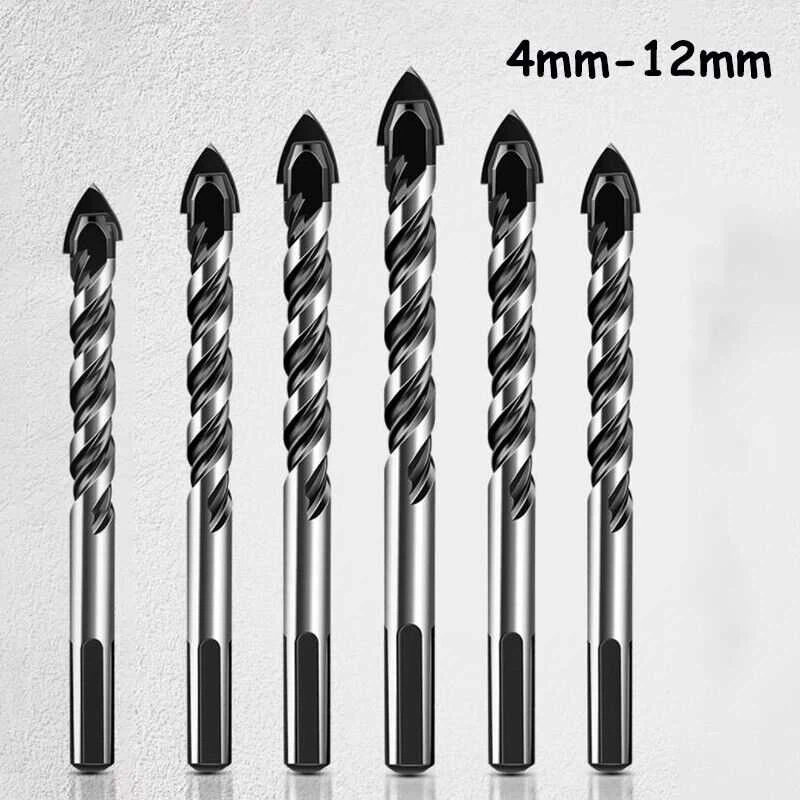
Common Drill Bit Sizes
Fractional Sizes: Common sizes include 1/16 inch, 3/32 inch, 1/8 inch, 5/32 inch, 3/16 inch, etc.
Decimal Sizes: Common decimal sizes include 0.0135 inch, 0.019 inch, 0.0313 inch, etc.
Metric Sizes: Common metric sizes include 1.0 mm, 1.5 mm, 2.0 mm, 2.5 mm, 3.0 mm, etc.
Example
If you measure a drill bit with digital calipers and find that the diameter is 3.175 mm, this corresponds to a 1/8-inch drill bit.
what are drill bits
Drill bits are essential tools used to create holes in various materials such as wood, metal, plastic, and masonry. They are designed to be attached to a drill, which powers the bit to rotate and cut through the material. Drill bits come in a wide variety of shapes, sizes, and materials, each tailored for specific applications. Here's a comprehensive overview of what drill bits are and how they are used:
Key Components of a Drill Bit
Tip: The cutting edge of the drill bit that actually removes material to create the hole. The shape and material of the tip determine the type of material it can cut through.
Flutes: The spiral grooves on the drill bit that help remove chips and guide the bit as it cuts.
Shank: The part of the drill bit that fits into the drill chuck. It can be straight or tapered, depending on the type of drill and application.
Body: The main part of the drill bit that connects the tip to the shank.
Types of Drill Bits
Drill bits are categorized based on their material, shape, and intended use. Here are some common types:
1. Twist Drill Bits
Material: High-Speed Steel (HSS), Cobalt Steel, or Carbide.
Usage: General-purpose drilling in wood, metal, and plastic.
Features: Spiral flutes that help remove chips and guide the bit.
2. Brad Point Drill Bits
Material: High-Speed Steel (HSS) or Cobalt Steel.
Usage: Ideal for woodworking.
Features: A sharp, pointed tip that helps center the bit and create precise holes in wood.
3. Masonry Drill Bits
Material: Carbide-tipped steel.
Usage: Designed for drilling into concrete, brick, and masonry.
Features: Carbide tips that can withstand the hardness of masonry materials.
4. Tile and Glass Drill Bits
Material: Diamond-tipped or carbide-tipped.
Usage: Suitable for drilling ceramic tiles, porcelain, glass, and other brittle materials.
Features: Diamond or carbide tips that provide precision and durability.
5. Auger Bits
Material: Steel.
Usage: Used for drilling large holes in wood.
Features: Spiral flutes and a wide cutting edge that remove wood chips efficiently.
6. Spade Bits
Material: Steel.
Usage: Ideal for drilling large holes in wood.
Features: Flat, wide cutting edges that create a clean hole quickly.
7. Forstner Bits
Material: Steel.
Usage: Used for drilling precise, flat-bottomed holes in wood.
Features: Circular cutting edges that create clean, accurate holes.
8. Hole Saws
Material: Steel or carbide-tipped.
Usage: Used for cutting large-diameter holes in wood, metal, or plastic.
Features: A cylindrical cutting edge with teeth that cut through the material.

Choosing the Right Drill Bit
To select the appropriate drill bit, consider the following factors:
Material Being Drilled: Different materials require different types of bits. For example, masonry bits are needed for concrete, while twist bits are suitable for wood and metal.
Hole Size: The diameter of the bit should match the size of the hole you need.
Tool Compatibility: Ensure the bit is compatible with your drill (e.g., straight shank for power drills, tapered shank for bench drills).
Application: Consider the specific task, such as tapping (threading) or precision drilling.
How to Use a Drill Bit
Secure the Bit: Insert the drill bit into the drill chuck and tighten it securely.
Mark the Spot: Mark the location where you want to drill the hole.
Drill Slowly: Start drilling at a slow speed to avoid slipping. Apply steady pressure and let the bit do the work.
Clear Chips: Periodically remove chips to prevent overheating and ensure a clean hole.
Cooling: For metal drilling, use a coolant to prevent overheating and extend the life of the bit.
Maintenance Tips
Clean the Bits: Regularly clean your drill bits to remove debris and prevent rust.
Store Properly: Store drill bits in a dry, cool place, preferably in a protective case or container.
Inspect Regularly: Regularly inspect your drill bits for signs of wear, damage, or rust. Replace any bits that are excessively worn or damaged.
what do drill bits look like
Drill bits come in various shapes and sizes, depending on their type and intended use. Here's a detailed description of what different types of drill bits look like and their key features:
1. Twist Drill Bits
Shape: Cylindrical body with spiral flutes (grooves) running along its length.
Cutting End: Tapered to a point, typically with a 118-degree or 135-degree point angle.
Material: Usually made from high-speed steel (HSS) or cobalt.
Usage: General-purpose drilling in wood, metal, and plastic.
Appearance: Silver or gold (if coated with titanium nitride).
2. Masonry Drill Bits
Shape: Similar to twist bits but with a carbide tip.
Cutting End: Carbide tip for durability and hardness.
Material: Carbide tip with a steel shank.
Usage: Drilling into concrete, brick, and stone.
Appearance: Silver with a black carbide tip.
3. Forstner Drill Bits
Shape: Flat, disc-shaped cutting edge with a center point.
Cutting End: Circular cutting edge for creating flat-bottomed holes.
Material: High-speed steel (HSS) or carbide.
Usage: Woodworking, creating precise holes for dowels, hinges, and decorative work.
Appearance: Silver or gold (if coated).
4. Step Drill Bits
Shape: Conical with multiple steps or flutes.
Cutting End: Each step has a cutting edge, allowing for multiple hole sizes.
Material: High-speed steel (HSS) or carbide.
Usage: Drilling thin materials like sheet metal, plastic, and thin wood.
Appearance: Silver or gold (if coated).
5. Hole Saws
Shape: Circular blade with teeth around the circumference.
Cutting End: Teeth for cutting large, circular holes.
Material: High-speed steel (HSS) or carbide.
Usage: Cutting large holes in wood, metal, and plastic.
Appearance: Silver or gold (if coated).
6. Countersink Drill Bits
Shape: Conical with a flat bottom.
Cutting End: Designed to create conical holes for countersinking flat-head screws.
Material: High-speed steel (HSS) or carbide.
Usage: Woodworking and metalworking for countersinking.
Appearance: Silver or gold (if coated).
7. Brad Point Drill Bits
Shape: Similar to twist bits but with a sharp, pointed tip.
Cutting End: Brad point tip for precise hole placement.
Material: High-speed steel (HSS).
Usage: Woodworking for precise holes.
Appearance: Silver.
8. Auger Bits
Shape: Long, spiral flutes with a sharp point.
Cutting End: Designed for drilling deep holes in wood.
Material: High-speed steel (HSS).
Usage: Woodworking for deep holes.
Appearance: Silver.
9. SDS Drill Bits
Shape: Similar to masonry bits but with a slotted shank.
Cutting End: Carbide tip for durability.
Material: Carbide tip with a steel shank.
Usage: Drilling into concrete, brick, and stone with SDS drills.
Appearance: Silver with a black carbide tip.
10. Diamond-Tipped Drill Bits
Shape: Cylindrical with a diamond-coated tip.
Cutting End: Diamond coating for cutting hard materials.
Material: Diamond coating on a steel shank.
Usage: Drilling into glass, ceramic, and stone.
Appearance: Silver with a shiny, diamond-coated tip.
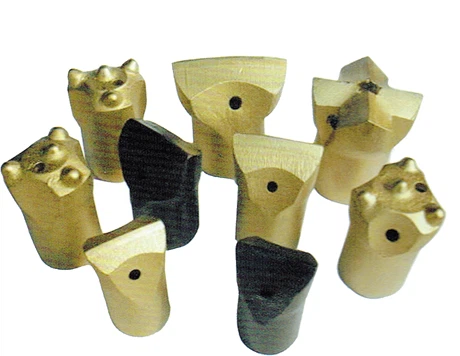
Key Features to Look For
Diameter: Measured in fractions of an inch, decimal inches, or millimeters.
Length: The overall length of the bit.
Material: High-speed steel (HSS), cobalt, carbide, or diamond.
Coating: Titanium nitride (gold), black oxide (black), or other specialized coatings.
Point Angle: Common angles include 118 degrees and 135 degrees.
what does a wood drill bit look like
Wood drill bits come in various shapes and sizes, each designed for specific tasks in woodworking. Here's a detailed description of what different types of wood drill bits look like:
1. Brad Point Bits
Appearance: These bits have a sharp, pointed tip with two cutting edges and flutes. The tip helps center the bit accurately, reducing the risk of wandering.
Use: Ideal for drilling precise holes in both softwood and hardwood.
Features: The pointed tip and spurs create clean, smooth holes with minimal tearing.
2. Spade Bits (Paddle Bits)
Appearance: Spade bits have a flat, paddle-like shape with a pointed tip and two sharp cutting edges. They are typically wider and flatter compared to other drill bits.
Use: Suitable for making large holes in wood, often used in construction for running electrical wiring or plumbing.
Features: They cut quickly but produce rough edges, making them ideal for applications where precision is less critical.
3. Auger Bits
Appearance: Auger bits have a spiral body with a screw tip in the center. The design helps in removing material efficiently and prevents clogging.
Use: Ideal for drilling deep, uniform holes in large pieces of lumber.
Features: The screw tip pulls the bit into the wood, requiring less manual pressure.
4. Forstner Bits
Appearance: Forstner bits have a cylindrical shape with a flat bottom and sharp teeth along the rim. They often have a small central point to keep the bit centered.
Use: Perfect for creating wide, flat-bottomed holes with smooth sides.
Features: These bits are designed for precision drilling and are ideal for tasks like installing hinges or dowel holes.
5. Twist Drill Bits
Appearance: These bits have a cylindrical shape with spiral flutes running along the length. They are versatile and can be used for drilling into wood, metal, and plastic.
Use: General-purpose drilling in wood and other materials.
Features: The spiral flutes help remove chips and sawdust from the hole.
6. Countersink Bits
Appearance: Countersink bits have a conical shape with a pointed tip. Some models combine a countersink bit with a standard drill bit to perform drilling and countersinking in one operation.
Use: Used to create holes for countersunk screws, ensuring the screw head sits flush with the wood surface.
Features: Ideal for applications where aesthetics are important, such as furniture making.
7. Hole Saws
Appearance: Hole saws are cylindrical saw blades with teeth around the circumference. They often have a standard twist bit in the center to create a pilot hole.
Use: Designed for cutting large-diameter holes in wood.
Features: Available in a range of sizes, from 3/4 inch to 6 inches.

General Characteristics
Material: Wood drill bits are typically made from high carbon steel or high-speed steel. They may also have a black oxide coating for durability.
Color: Most wood drill bits are silver or black.
what is a brad point drill bit
A brad point drill bit is a specialized type of drill bit designed specifically for woodworking. It features a sharp, pointed tip that helps to accurately position the bit and prevent it from slipping or wandering on the wood surface. This design ensures clean, precise holes with minimal splintering or tear-out.
Key Features of Brad Point Drill Bits
Sharp Center Point: The central point helps to keep the bit centered and stable as it enters the wood, ensuring accuracy.
Spur Cutting Edges: These edges score the wood, creating a cleaner hole with reduced splintering.
Suitable for Various Woods: Ideal for drilling holes in softwoods, hardwoods, and even some soft plastics.
Applications
Brad point drill bits are commonly used in woodworking projects that require precision, such as:
Furniture Making: For creating clean holes for dowels, screws, and other joinery.
Cabinet Installation: Ensuring precise hole placement for mounting hardware.
Decorative Work: Drilling holes that will be visible in the final piece, as they produce clean, professional-looking results.
Sizes
Brad point drill bits come in a range of sizes, typically from 1/16 inch to 1 inch or larger. They are also available in metric sizes, with common diameters including 3mm, 6mm, and 10mm.
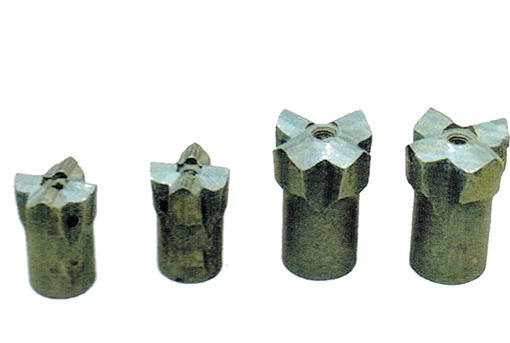
Benefits
Precision: The sharp tip and spurs ensure that the bit stays in place and drills straight, even holes.
Clean Holes: Reduced splintering and tear-out compared to standard twist bits.
Versatility: Suitable for both soft and hardwoods, as well as some plastics.
Tips for Use
Mark the Spot: Use a pencil or center punch to mark the exact spot where you want to drill.
Start Slow: Begin drilling at a slow speed to ensure the bit starts cutting smoothly.
Use a Drill Press: For the most precise results, use a drill press instead of a handheld drill.
what kind of drill bit for concrete
For drilling into concrete, you need drill bits that are specifically designed to handle the hardness and density of the material. Here are the best types of drill bits for concrete, along with their key features and uses:
1. Masonry Drill Bits
Material: Typically made from high-speed steel (HSS) or carbide-tipped steel.
Appearance: These bits have a heavy-duty construction with a carbide tip and distinctive spiral flutes that help clear dust while drilling.
Use: Ideal for general drilling in concrete, brick, or block. They are versatile and suitable for lighter projects.
Features: The carbide tip provides durability and wear resistance, while the spiral flutes help remove debris efficiently.
2. Hammer Drill Bits
Material: Often carbide-tipped to withstand the high impact of hammer drilling.
Appearance: Similar to masonry bits but designed specifically for use with hammer drills.
Use: Suitable for heavy-duty applications where you need to drill into solid concrete or reinforced concrete.
Features: The hammering action combined with the rotational force makes these bits highly effective for breaking through tough surfaces.
3. SDS Drill Bits
Material: Carbide-tipped for durability.
Appearance: These bits have a slotted shank designed to fit SDS (Slotted Drive System) hammer drills.
Use: Ideal for heavy-duty drilling in reinforced concrete, especially with SDS hammer drills.
Features: The SDS shank allows for quick bit changes and ensures a secure fit, enhancing drilling efficiency.

4. Diamond Core Bits
Material: Diamond-embedded edges.
Appearance: These bits have a cylindrical shape with diamond segments around the circumference.
Use: Best for creating large, precise holes in concrete, especially in professional settings.
Features: Diamond core bits offer exceptional cutting capability and durability, making them ideal for heavy-duty applications.
5. Carbide-Tipped Drill Bits
Material: Carbide tips on a steel shank.
Appearance: These bits have a robust carbide tip that can withstand high temperatures and wear.
Use: Suitable for drilling into hard masonry and reinforced concrete.
Features: Carbide-tipped bits are known for their longevity and ability to handle tough materials.
can you sharpen a drill bit
You can sharpen a drill bit to restore its cutting edge and extend its life. Here are some methods to sharpen drill bits:
Using a Bench Grinder
Prepare the Grinder: Ensure the bench grinder is securely mounted and the grinding wheels are properly aligned.
Safety Gear: Wear safety goggles and gloves to protect yourself from sparks and debris.
Adjust the Tool Rest: Position the tool rest at the correct angle to support the drill bit.
Hold the Bit: Hold the drill bit at a 60-degree angle to the grinding wheel. The bit's axis should be at about a 30-degree angle to the face of the wheel.
Grind the Edges: Gently press the bit against the wheel and move it back and forth. Rotate the bit to sharpen both cutting edges evenly.
Cool the Bit: Dip the bit in water periodically to prevent overheating.
Check Progress: Inspect the bit regularly to ensure even sharpening and correct angles.
Using a Drill Bit Sharpener
Dedicated Tools: Devices like the Drill Doctor offer precision sharpening. These tools are designed specifically for drill bits and can provide consistent results.
Ease of Use: Simply insert the bit into the sharpener and follow the manufacturer's instructions. These tools often have built-in guides to maintain the correct angles.

Using a File
Secure the Bit: Hold the drill bit firmly in a vise to keep it steady.
File the Edges: Use a fine metal file to sharpen the cutting edges. Maintain the original angle of the bit as closely as possible.
Even Strokes: Apply even pressure and alternate between edges to ensure both sides are sharpened evenly.


