

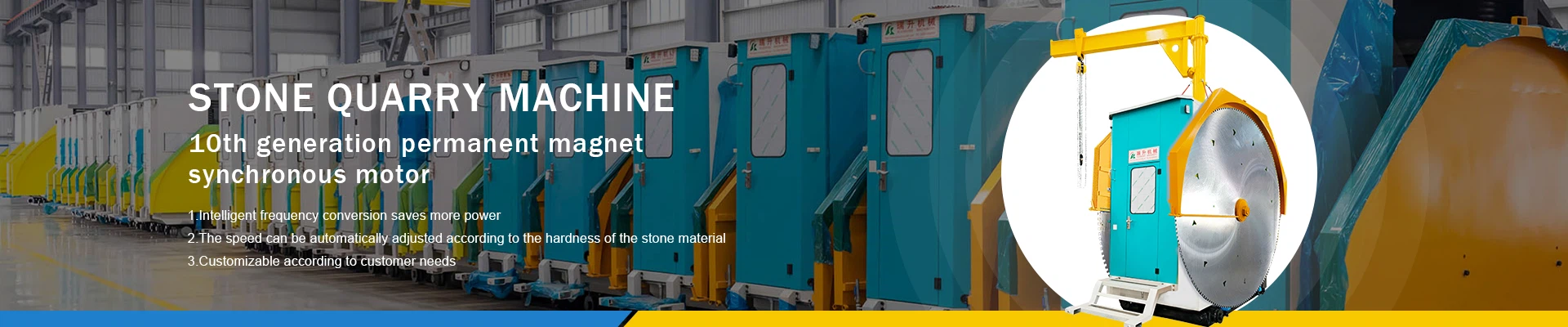
Diamond cutting tools are specialized tools that utilize the hardness and durability of diamonds to cut, grind, or shape various materials. These tools are essential in industries such as construction, manufacturing, and jewelry, where precision and durability are critical. Here's a detailed overview of diamond cutting tools:
Types of Diamond Cutting Tools
1.Diamond Saw Blades
Purpose: Used for cutting hard materials like concrete, stone, masonry, and metal.
Types:
Wet Blades: Designed for use with water to prevent overheating and dust.
Dry Blades: Suitable for cutting without water, often used in handheld saws.
Applications: Construction, demolition, stone cutting, and metal fabrication.
2.Diamond Core Drills
Purpose: Used for drilling precise holes in hard materials.
Types:
Wet Core Drills: Use water for cooling and dust suppression.
Dry Core Drills: Suitable for applications where water cannot be used.
Applications: Concrete drilling, geological sampling, and precision hole making.
3.Diamond Grinding Wheels
Purpose: Used for grinding and shaping hard materials.
Types:
Resin-Bonded Wheels: Suitable for precision grinding and finishing.
Metal-Bonded Wheels: Used for heavy-duty grinding applications.
Applications: Metalworking, stone shaping, and ceramic grinding.
4.Diamond Wire Saws
Purpose: Used for cutting large blocks of stone, concrete, or other hard materials.
Types:
Single-Wire Saws: Use a single wire for cutting.
Multi-Wire Saws: Use multiple parallel wires for simultaneous cutting.
Applications: Stone quarries, construction demolition, and large-scale material cutting.
5.Diamond Tipped Cutting Tools
Purpose: Used for precision cutting and machining of hard materials.
Types:
Diamond-Tipped Blades: Used for cutting glass, ceramics, and other brittle materials.
Diamond-Tipped Bits: Used in drills for precision hole making.
Applications: Glass cutting, ceramic machining, and precision engineering.
6.Diamond Dressing Tools
Purpose: Used to dress and sharpen grinding wheels.
Types:
Single-Point Tools: Used for precision dressing.
Multi-Point Tools: Used for faster dressing of larger wheels.
Applications: Grinding wheel maintenance and sharpening.

Advantages of Diamond Cutting Tools
Durability: Diamonds are the hardest known natural material, making diamond tools extremely durable.
Precision: Diamond tools can achieve very precise cuts and finishes.
Efficiency: Diamond tools can cut through hard materials quickly and efficiently.
Longevity: Properly maintained diamond tools have a long lifespan, reducing the need for frequent replacements.
Maintenance and Care
Cooling: Use water or coolant to prevent overheating and extend tool life.
Storage: Store diamond tools in a dry, clean environment to prevent rust and damage.
Inspection: Regularly inspect tools for wear, cracks, or other damage.
Sharpening: Regularly sharpen or dress diamond tools to maintain optimal performance.
How do I choose the right diamond cutting tool for my project
To choose the right diamond cutting tool for your project, consider the following factors and best practices:
1. Material to be Cut
Concrete and Reinforced Concrete: Use a segmented diamond blade.
Granite or Stone: Opt for a turbo diamond blade.
Asphalt or Green Concrete: Choose a blade with soft bonds for better cutting performance.
Ceramic Tiles: A continuous rim diamond blade is ideal for smoother cuts.
Non-Ferrous Metals: PCD (Polycrystalline Diamond) cutting tools are suitable for cutting aluminum, brass, copper, and other non-ferrous metals.
2. Cutting Method
Wet Cutting: Ideal for jobs where heat generation and dust control are concerns, such as large projects involving concrete or masonry. Wet cutting can extend the life of your blade.
Dry Cutting: More convenient for smaller jobs or when water isn't available. However, the blade may overheat if used for long periods, so shorter, intermittent cuts are recommended.
3. Blade Size
4"-5" Blades: Best for small tile or stone cuts.
7"-10" Blades: Ideal for medium-sized projects like paver cutting.
12"-14" Blades: Perfect for heavy-duty jobs like cutting concrete slabs or asphalt roads.
4. Blade Bond
Hard Bond: Designed for cutting soft materials like asphalt or green concrete.
Soft Bond: Ideal for cutting harder materials like granite, brick, or cured concrete.

5. Diamond Grit Size
Finer Grits: Provide smoother finishes and are suitable for polishing tasks.
Coarser Grits: Remove material quickly and are suitable for cutting and grinding tasks.
6. Quality and Price
Quality: Higher-quality diamond tools often provide better performance and longevity, making them a worthwhile investment.
Price: While cheaper blades may seem appealing upfront, they can wear out faster, especially when cutting tougher materials.
7. Safety Features
Anti-Vibration Handles: Reduce fatigue during extended use.
Safety Guards: Protect users from debris.
Automatic Shut-Off Features: Enhance safety during operation.
8. Maintenance
Regular Cleaning: Remove debris and dust after each use to ensure consistent performance.
Inspect for Wear: Check for signs of wear and replace worn-out parts immediately.
Store Properly: Keep the tool in a dry place to prevent rust and damage.
what are diamond tools used for
Diamond tools are used in a wide range of industries and applications due to the exceptional hardness and durability of diamonds. These tools are essential for cutting, grinding, drilling, and shaping various materials, especially those that are hard or abrasive. Here's a detailed overview of the primary uses of diamond tools:
1. Construction and Building
Concrete Cutting: Diamond saw blades are used to cut through concrete, including reinforced concrete, for applications like demolition, road repair, and construction.
Stone Cutting: Diamond tools are used to cut and shape granite, marble, limestone, and other natural stones. This includes cutting slabs, tiles, and intricate shapes.
Asphalt Cutting: Diamond blades are used for cutting asphalt in road construction and repair projects.
Core Drilling: Diamond core drills are used to create precise holes in concrete, stone, and other hard materials for applications like installing pipes, conduits, and anchor bolts.
2. Manufacturing and Industrial Applications
Metalworking: Diamond tools are used for precision cutting and grinding of metals, especially non-ferrous metals like aluminum, brass, and copper.
Ceramics and Glass: Diamond tools are essential for cutting, shaping, and polishing ceramics and glass. This includes applications in the electronics, automotive, and architectural industries.
PCB Manufacturing: Diamond tools are used for drilling and cutting printed circuit boards (PCBs) due to their precision and ability to handle hard materials.
Tool and Die Making: Diamond tools are used for creating molds and dies due to their high precision and durability.
3. Jewelry and Gemstone Industry
Lapidary Work: Diamond tools are used for cutting, shaping, and polishing gemstones and minerals.
Jewelry Making: Diamond tools are used for precision cutting, engraving, and polishing of precious metals and gemstones.
4. Mining and Quarrying
Stone Quarrying: Diamond tools are used for cutting large blocks of stone in quarries.
Core Sampling: Diamond core drills are used for geological core sampling to analyze rock formations.

5. Automotive and Aerospace
Precision Machining: Diamond tools are used for high-precision machining of components made from hard materials like ceramics, composites, and superalloys.
Surface Finishing: Diamond tools are used for achieving high-quality surface finishes on automotive and aerospace parts.
6. Medical and Dental
Dental Applications: Diamond tools are used for cutting and shaping dental materials, including porcelain and composite materials.
Medical Devices: Diamond tools are used for manufacturing medical devices and implants, where precision and durability are critical.
7. Woodworking
Hardwood Cutting: Diamond tools can be used for cutting and shaping hardwoods, especially when high precision and smooth finishes are required.
Edge Profiling: Diamond tools are used for creating precise profiles and edges on wooden materials.
8. Electronics and Semiconductor
Wafer Slicing: Diamond tools are used for slicing silicon wafers in semiconductor manufacturing.
Circuit Board Drilling: Diamond tools are used for drilling precise holes in printed circuit boards (PCBs).
9. Marble and Granite Fabrication
Tile Cutting: Diamond tools are used for cutting and shaping marble and granite tiles.
Monumental Work: Diamond tools are used for creating and shaping large monuments and sculptures made from stone.
10. Renovation and Restoration
Tile Removal: Diamond tools are used for removing old tiles without damaging the underlying surface.
Historic Preservation: Diamond tools are used for delicate restoration work on historic buildings and monuments.
what do you use to make diamond tool bits
To make diamond tool bits, several methods are used, each tailored to specific applications and requirements. Here are the primary methods and processes involved in manufacturing diamond tool bits:
1. Vacuum Brazed Diamond Core Drill Bits
The production process for vacuum-brazed diamond core drill bits involves several precise steps to ensure high quality and durability:
Material Inspection and Preparation: The steel matrix is inspected for concentricity and dimensional accuracy. The material is cleaned to remove rust and oil stains.
Application of Special Glue and Diamond Particles: Special glue is applied to the working layers to promote adhesion of the diamond particles. These particles are then manually sprinkled onto the working layer to ensure even distribution.
Brazing Process: The drill bit is placed in a brazing furnace, where high temperatures firmly embed the diamond particles into the matrix.
Thread Refinement: The threads of the drill bit are re-threaded to improve concentricity and accuracy.
Finishing Processes: The drill bit is hand-painted with a protective coating, laser-marked with important information, and treated with anti-rust oil.
Packaging and Quality Inspection: The final product is carefully packaged and undergoes strict quality checks to ensure it meets industrial standards.
2. Hot Pressing Method
The hot pressing method is used to produce diamond drill bits by sintering diamond particles with a metal binder under high pressure and temperature. This method ensures a strong bond between the diamond particles and the metal matrix, resulting in durable tools suitable for various drilling applications.
3. Cold Pressing Impregnation Method
In this method, diamond particles are mixed with a metal powder and pressed into the desired shape. The mixture is then sintered to form a solid tool. This method is known for its ability to produce tools with a high concentration of diamond particles, enhancing cutting efficiency.
4. Pressureless Impregnation Method
This method involves infiltrating a metal alloy into a preformed diamond matrix without applying external pressure. It allows for the production of tools with a uniform distribution of diamond particles, ensuring consistent performance.
5. Electroplating Method
Electroplating involves depositing a layer of metal (usually nickel) onto a substrate, embedding diamond particles in the process. This method is suitable for producing tools with a high diamond concentration and is often used for making diamond-tipped drill bits and saw blades.
6. Selective Laser Melting
This advanced method uses a laser to melt and fuse diamond particles with a metal matrix. It allows for precise control over the tool's geometry and can produce complex shapes with high accuracy.
7. Traditional Brazing
Traditional brazing involves using a filler metal to join diamond particles to a metal substrate. This method is widely used for making various diamond tools, including drill bits and saw blades.
what does a companys diamond tool consist of
A company's diamond tool typically consists of several key components and materials, each playing a crucial role in the tool's performance and durability. Here's a detailed breakdown of what a diamond tool usually comprises:
1. Diamond Particles
Industrial-Grade Diamonds: These are the primary cutting elements. They are usually synthetic diamonds, chosen for their hardness, abrasiveness, and cost-effectiveness. The diamonds are embedded into the tool to provide the cutting or grinding action.
2. Bonding Material
Metal Powders: These are used to create a matrix that holds the diamond particles in place. The bonding material can be in the form of metal powders, which are sintered or brazed to form a solid bond with the diamonds.
Resin or Ceramic Binders: In some cases, resin or ceramic binders are used, especially for applications requiring flexibility or specific performance characteristics.
3. Tool Body or Core
Steel or Carbide Core: The core of the tool, which provides structural support, is typically made of steel or tungsten carbide. This core is essential for maintaining the tool's shape and rigidity during use.
4. Manufacturing Methods
Sintering: This involves heating and compressing the diamond segments into the desired shape. It is a common method for producing diamond tools.
Brazing: Diamond segments are bonded to a metal core using a brazing process. This method ensures a strong bond between the diamond particles and the tool body.
Electroplating: In this method, diamond particles are embedded into a metal matrix through an electroplating process. This is particularly useful for creating tools with a high diamond concentration.

5. Hydraulic Structure (for Drill Bits)
Water Channels and Nozzles: Drill bits often have a hydraulic structure that includes water channels and nozzles. This structure helps in cooling the cutting edge, flushing away debris, and lubricating the cutting process.
6. Gauge and Cutting Edge
Gauge Part: This part ensures the correct diameter and alignment of the tool during operation. It is often embedded with diamonds to maintain the tool's size and shape.
Cutting Edge: The cutting edge is where the diamond particles are embedded. It is designed to provide the necessary cutting action and can vary in shape and configuration depending on the tool's application.
7. Concentration of Diamonds
Diamond Concentration: The concentration of diamond particles in the matrix affects the tool's performance. Higher concentrations generally mean longer tool life but lower cutting efficiency, while lower concentrations provide faster cutting but shorter tool life.
what efficiency does diamond tools have
Diamond tools are highly efficient in various cutting and machining applications due to several key factors:
High Cutting Speed and Material Removal Rate
Diamond tools can operate at higher speeds than conventional tools, leading to faster material removal rates. This efficiency is particularly beneficial in industries like construction, where diamond blades can cut through concrete and asphalt with ease.
Precision and Surface Finish
Diamond tools provide high precision and superior surface finish. They maintain a sharp cutting edge for longer periods, ensuring accurate cuts and reducing the need for secondary finishing processes. This is crucial in industries like aerospace and automotive manufacturing, where tight tolerances and high-quality surfaces are required.
Long Tool Life and Cost-Effectiveness
The hardness and durability of diamond tools mean they have a longer lifespan compared to tools made from other materials. This reduces the frequency of tool replacements and associated downtime, making diamond tools a cost-effective choice for high-volume manufacturing.
Thermal Conductivity and Low Friction
Diamonds have excellent thermal conductivity, which helps in dissipating heat generated during cutting. This prevents thermal damage to both the tool and the workpiece, ensuring dimensional accuracy and surface integrity. Additionally, the low coefficient of friction between diamond and most materials reduces cutting forces and minimizes heat generation.

Versatility Across Materials
Diamond tools can efficiently machine a wide range of materials, from soft polymers to hard ceramics and metals. This versatility makes them invaluable in diverse industries, including electronics, medical devices, and construction.
Reduced Need for Secondary Finishing Processes
The precision and high-quality surface finish achieved with diamond tools often eliminate the need for multiple machining steps and post-processing treatments. This reduces production times and lowers overall manufacturing costs.
Enhanced Component Durability
Components machined with diamond tools often exhibit improved durability due to the superior surface finish and precision achieved. This is particularly important in applications where component longevity and reliability are critical.
Operational Efficiency and Cost-Effectiveness
The use of diamond tools enhances operational efficiency by reducing tool change frequency and minimizing downtime. Consistent tool performance boosts productivity and reduces costs, making diamond machining a cost-effective solution for high-volume manufacturing.
what is a diamond tool for joining
Diamond tools for joining are specialized tools designed to bond or connect materials using the exceptional hardness and durability of diamond particles. These tools are used in various applications where high precision and strength are required. Here's a detailed overview of diamond tools for joining:
Types of Diamond Tools for Joining
1.Brazed Diamond Tools
Description: Brazed diamond tools involve bonding diamond particles to a metal substrate using a brazing process. This method creates a strong metallurgical bond between the diamond and the metal.
Applications: These tools are ideal for cutting and machining hard-to-cut materials such as graphite, epoxy, fiberglass, and other composites. They are also used in the construction, quartz, carbide, silicon, granite/marble, plastics, and ceramics industries.
Advantages:
Very fast and aggressive cutting speed.
Maximum diamond crystal exposure.
Strong retention of diamond grits.
Can be used at faster cutting speeds.
Less required power.
Capability to retain form.
Minimizing and often eliminating the need for dressing.
Ability to strip and re-plate the tool (re-use).
Lower cost.
2.Sintered (Metal Bond) Diamond Tools
Description: These tools use a metal matrix to hold the diamond particles in place. The metal matrix is typically made of iron, cobalt, nickel, bronze, copper, or their alloys. The diamond particles are mixed with these metal powders and then sintered to form a solid tool.
Applications: Sintered diamond tools are suitable for cutting hard materials such as granite, concrete, and asphalt. They are also used in applications requiring high durability and long tool life.
Advantages:
Durable and long-lasting in abrasive conditions.
Handles high cutting speeds and pressures.
Offers the longest life and greatest variety of specifications and fields of use.
3.Electroplated Diamond Tools
Description: Electroplated diamond tools involve bonding a single layer of diamond particles to the tool surface using an electroplating process. This method provides a sharp cutting edge with high precision.
Applications: These tools are commonly used for precision applications such as cutting glass, ceramics, and soft stones.
Advantages:
Sharp cutting edge with high precision.
No need for bond wear to expose new diamonds.
Suitable for materials that require a fine finish.
Bonding Methods for Diamond Tools
Brazing: Brazing is the most reliable method of joining diamond to metals. It involves using a filler metal to create a strong bond between the diamond and the metal substrate. This method is widely used due to its versatility and ability to create strong, durable joints.
Sintering: Sintering involves mixing diamond particles with metal powders and then heating and compressing the mixture to form a solid tool. This method is suitable for creating tools with high diamond concentration and long life.
Electroplating: Electroplating involves depositing a layer of metal onto the diamond particles to bond them to the tool surface. This method is ideal for creating tools with a single layer of diamond particles, providing high precision and sharp cutting edges.


