

Based on the search results, here are some of the best drill bits available for specific materials:
Best Drill Bits for Wood
Milwaukee Shockwave Titanium Drill Bits: These bits are excellent for drilling into wood. They feature a 1/4-inch hex shaft, making them suitable for both drills and impact drivers. Milwaukee's Red Helix variable-width flutes help eject chips more effectively than standard designs. The 135° tip allows for quicker cutting and reduces bit-walking on metal. These bits are also coated with titanium, which is great for drilling through thinner steels and non-hardened metals.
Price: $3.57 – $19.47 for individual bits, $10.99 – $114.97 for sets.
Best Drill Bits for Masonry
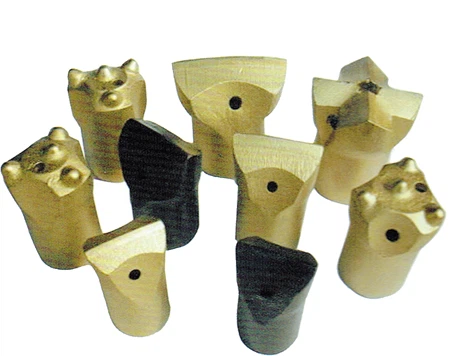
TITGGI Professional Masonry Drill Bit Set (10pcs): This set is ideal for drilling through various masonry materials such as glass, brick, plastic, cement, wood, and tile. It features industrial-strength carbide tips for enhanced durability and performance. The set includes 10 pieces with sizes ranging from 1/8″ to 1/2″.
Pros: Industrial-strength carbide tips, suitable for multiple materials, lightweight design.
Cons: May not be suitable for heavy-duty industrial applications, limited to the specified size range.
Best Drill Bits for Metal
DEWALT Titanium Nitride Coated Drill Bit Set: This 21-piece set is coated with titanium nitride, which enhances durability and longevity. The pilot point tips ensure precise drilling and prevent bit walking. Suitable for drilling into plastic, wood, and metal.
Pros: High durability, precise drilling, wide range of sizes, convenient storage case.
Cons: Higher price point compared to non-coated drill bits, may not be suitable for extremely hard materials.
Milwaukee Shockwave Titanium Drill Bits: Also suitable for metal drilling, these bits feature a titanium coating that is great for thinner steels and non-hardened metals. They offer excellent chip ejection and reduced heat buildup.

Best Multi-Purpose Drill Bits
MACP Multi-Purpose Carbide Tip Drill Bit Set: This set is versatile and durable, suitable for drilling into metal, brick, block, wood, plastic, and tile. It features carbide tips for longer lifespan and maintains sharpness.
Pros: Versatile, durable, hex shank for secure grip, variety of sizes.
Cons: Limited color options, may not be suitable for highly specialized drilling tasks.
PLATINUMEDGE 140PC Multipurpose Drill Bits Set: This comprehensive set includes 88 titanium twist drill bits, 26 masonry drill bits, and 26 brad point drill bits. It is suitable for wood, metal, brick, and concrete.
Pros: Comprehensive set, durable titanium bits, includes hard storage case.
Cons: May be overkill for casual users, storage case could be more robust.
what are best drill bits
Based on the latest reviews and expert recommendations, here are some of the best drill bits available for various materials and applications:
Best Drill Bits for Metal
Drill America D/A Series M42 Cobalt Drill Bit Set
Material: M42 Cobalt Blend
Features: 135° split point, dual twist flute, jobber length.
Pros: Excellent for hardened metal and stainless steel, faster drilling, holds edge better.
Price: $139.99 for a 29-piece set.
Milwaukee Red Helix Cobalt Drill Bits
Material: M35 Cobalt Blend
Features: 135° split point with quad tip, variable dual twist flute, 3-flat shank.
Pros: More affordable than M42 cobalt, excellent for general steel drilling, forgiving in handheld drills.
Price: $109.97 for a 29-piece set.
DeWalt Pilot Point Titanium Drill Bits
Material: Titanium
Features: 135° split point with pilot point tip, dual twist flute, 3-flat shank.
Pros: Best for aluminum, copper, and soft metals, longer-lasting coating, higher lubricity.
Price: $34.99 for a 21-piece set.
Best Drill Bits for Wood
Milwaukee Shockwave Titanium Drill Bits
Material: High-Speed Steel (HSS) with Titanium Coating
Features: 135° split point, dual twist flute, 3-flat shank.
Pros: Excellent for woodworking, durable, precise holes.
Price: $39.99 for a 21-piece set.
DeWalt Brad Point Drill Bits
Material: High-Speed Steel (HSS)
Features: Brad point tip for precision, dual twist flute.
Pros: Ideal for clean and precise holes in wood, reduces splintering.
Price: $24.99 for a 13-piece set.
Best Drill Bits for Masonry
Professional Masonry Drill Bit Set by Titggi
Material: Tungsten Carbide Tip
Features: SDS Plus shank, designed for hammer drills.
Pros: Excellent for drilling into brick, concrete, and masonry.
Price: $29.99 for a 10-piece set.
Bosch IMC500 5-Piece Impact Multiconstruction Drill Bit Set
Material: Tungsten Carbide Tip
Features: SDS Plus shank, designed for heavy-duty applications.
Pros: Ideal for drilling through reinforced concrete and masonry.
Price: $49.99 for a 5-piece set.
Best Multi-Purpose Drill Bits
Platinumedge 140-Piece Multipurpose Drill Bit Set
Material: Titanium, HSS, and Carbide Tips
Features: Comprehensive set with 88 titanium twist bits, 26 masonry bits, and 26 brad point bits.
Pros: Versatile, durable, suitable for wood, metal, and masonry.
Price: $79.99 for a 140-piece set.
EnerTwist Drill Bit Set
Material: High-Speed Steel (HSS) with Titanium Coating
Features: 246-piece set, includes HSS titanium-coated bits.
Pros: High-quality, versatile, suitable for various materials.
Price: $59.99 for a 246-piece set.
Tips for Choosing the Right Drill Bits
Material Compatibility: Ensure the drill bit material matches the material you are drilling (e.g., HSS for wood, cobalt for metal, carbide for masonry).
Bit Size and Type: Choose the correct size and type of bit for your specific task.
Coating and Durability: Consider drill bits with coatings like titanium or cobalt for enhanced durability and performance.
Brand Reputation: Opt for reputable brands known for quality and reliability.
what are black oxide drill bits used for
Black oxide drill bits are versatile tools commonly used for drilling into a variety of materials. Here's a detailed look at their uses, benefits, and ideal applications:
Uses of Black Oxide Drill Bits
1.Woodworking:
Pilot Holes: Ideal for creating pilot holes for screws or dowels.
General Drilling: Suitable for drilling clean, precise holes in hardwoods and softwoods.
2.Metal Fabrication:
Soft Metals: Effective for drilling into softer metals like aluminum, copper, and mild steel.
Light to Medium-Duty Tasks: Suitable for general-purpose drilling in metal, where high heat and extreme durability aren't critical factors.
3.Plastic Drilling:
Smooth Finish: Provides a smooth finish and reduced heat generation, making it suitable for most types of plastic.
General Construction:
Versatility: Useful for a range of construction tasks, including drilling into plastic, wood, and soft metals.
Benefits of Black Oxide Drill Bits
Durability: The black oxide coating enhances the bit's durability, making it more resistant to wear and tear.
Corrosion Resistance: Provides a protective layer that resists rust and oxidation, extending the bit's lifespan.
Reduced Friction: The coating reduces friction, leading to smoother drilling and less heat buildup.
Cost-Effectiveness: Black oxide bits are generally more affordable compared to other coated bits, making them a cost-effective choice for general-purpose drilling.
Ideal Applications
Wood: Efficient for drilling into most types of wood, offering clean cuts with minimal wear.
Plastic: Works well with various plastics due to its smooth finish and low heat generation.
Soft Metals: Suitable for drilling into softer metals like aluminum and mild steel.
General DIY Projects: Ideal for home improvement tasks such as installing cabinets or curtain rods.

Limitations
Hard Metals: Not ideal for drilling into hard metals like stainless steel or cast iron, where more specialized bits (like titanium or cobalt) would be better suited.
Heavy-Duty Applications: Less durable than cobalt or titanium-coated bits for heavy-duty tasks.
what are jobber length drill bits
Jobber length drill bits are a type of general-purpose drill bit designed for a wide range of applications. They are the most commonly used drill bits and are suitable for various materials, including wood, metal, and plastic. Here's a detailed look at what jobber length drill bits are, their characteristics, and their ideal uses:
Characteristics of Jobber Length Drill Bits
1.Length and Size:
Length: Jobber length drill bits are typically longer than other types of drill bits, such as stubby or taper length bits. They are designed to reach deeper holes and provide more versatility.
Size Range: Available in a wide range of sizes, from very small (e.g., 1/16 inch) to larger diameters (e.g., 1/2 inch or more).
2.Point Angle:
Standard Point Angle: Jobber length drill bits usually have a point angle of 118 degrees. This angle is suitable for general-purpose drilling in wood, metal, and plastic.
Versatility: The 118-degree point angle provides a good balance between cutting efficiency and durability.
3.Flutes:
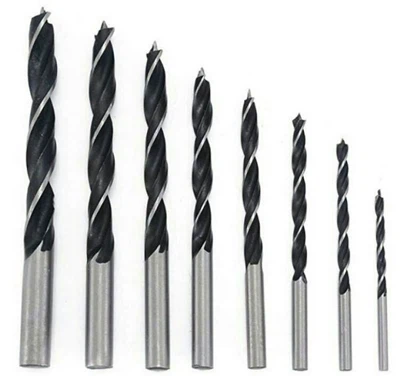
Flute Design: Jobber length drill bits typically have two or three flutes (spiral grooves) that help remove chips and debris from the hole.
Efficiency: The flutes are designed to efficiently clear material, reducing the risk of clogging and ensuring smooth drilling.
4.Material:
High-Speed Steel (HSS): Most jobber length drill bits are made from high-speed steel (HSS), which is durable and heat-resistant.
Coatings: Some jobber length bits may have additional coatings, such as titanium nitride or black oxide, to enhance durability and reduce friction.
Uses of Jobber Length Drill Bits
1.General-Purpose Drilling:
Wood: Ideal for drilling holes in wood for screws, dowels, or other fasteners.
Metal: Suitable for drilling into softer metals like aluminum, brass, and mild steel.
Plastic: Effective for drilling clean holes in various types of plastic.
2.Construction and DIY Projects:
Home Improvement: Commonly used for tasks like installing cabinets, shelves, and other fixtures.
Light Industrial Use: Suitable for light to medium-duty tasks in workshops and small-scale manufacturing.
3.Precision Work:
Tight Spaces: The longer length of jobber bits allows for reaching deeper or more difficult-to-access areas.
Versatility: Suitable for a wide range of hole sizes and depths, making them a versatile choice for various projects.
Advantages of Jobber Length Drill Bits
1.Versatility:
Wide Range of Applications: Suitable for drilling into wood, metal, and plastic, making them a go-to choice for many projects.
Multiple Sizes: Available in a wide range of diameters, allowing for precise hole sizes.
2.Durability:
High-Speed Steel: Made from durable HSS, which can withstand heat and wear.
Coatings: Additional coatings (e.g., titanium nitride, black oxide) enhance durability and reduce friction.
3.Efficiency:
Flute Design: Efficiently removes chips and debris, reducing the risk of clogging and ensuring smooth drilling.
Point Angle: The 118-degree point angle provides a good balance between cutting efficiency and durability.
Limitations
1.Hard Metals:
Less Suitable for Hard Metals: For drilling into harder metals like stainless steel or cast iron, more specialized bits (e.g., cobalt or carbide) are recommended.
Increased Wear: Jobber length bits may wear out faster when used on very hard materials.
2.Deep Holes:
Limited Depth: While jobber length bits are longer than stubby bits, they may still be too short for very deep holes. For such applications, extended length bits or auger bits may be more appropriate.
Tips for Using Jobber Length Drill Bits
1.Secure the Bit:
Tighten the Chuck: Ensure the drill bit is securely tightened in the drill chuck to prevent slipping.
2.Mark the Spot:
Pilot Hole: Use a center punch to create a small indentation at the drilling spot to prevent the bit from slipping.
3.Drill at the Right Speed:
Adjust Speed: Use a slower speed for harder materials and a faster speed for softer materials.
4.Clear Debris Regularly:
Remove Chips: Periodically remove the bit to clear chips and debris, especially when drilling deep holes.
5.Use Lubricant:
Coolant: For metal drilling, use a cutting fluid or lubricant to reduce heat and extend the life of the bit.
what color is metal drill bit
The color of a metal drill bit can vary depending on the type of material or coating used. Here are some common colors and their associated types of drill bits:
Silver/Grey
Material: High-Speed Steel (HSS)
Description: Uncoated HSS drill bits are typically silver or grey in color. These bits are versatile and suitable for general-purpose drilling in wood, metal, and plastic.
Performance: Good heat resistance and durability, but may wear out faster than coated bits.
Gold
Material: Titanium Nitride (TiN) Coating
Description: Gold-colored drill bits are coated with titanium nitride. This coating reduces friction, improves heat resistance, and extends the life of the bit.
Performance: Enhanced durability and reduced wear compared to uncoated bits. Suitable for drilling in harder materials like stainless steel and aluminum.
Black
Material: Black Oxide Coating
Description: Black drill bits are coated with black oxide. This coating provides corrosion resistance and reduces friction.
Performance: Improved durability and resistance to rust. Suitable for general-purpose drilling in wood, metal, and plastic.
Blue
Material: Titanium Aluminum Nitride (TiAlN) Coating
Description: Blue-colored drill bits are coated with titanium aluminum nitride. This coating offers excellent heat resistance and wear resistance.
Performance: High performance in demanding applications, particularly in harder metals like stainless steel and hardened steel.
Red
Material: Aluminum Titanium Nitride (AlTiN) Coating
Description: Red drill bits are coated with aluminum titanium nitride. This coating provides superior heat resistance and wear resistance.
Performance: Ideal for high-speed drilling and applications involving very hard materials.
Silver with a Rainbow Sheen
Material: Titanium Carbonitride (TiCN) Coating
Description: These bits have a rainbow sheen due to the titanium carbonitride coating.
Performance: Excellent wear resistance and reduced friction, suitable for a wide range of materials.

Summary
Silver/Grey: Uncoated HSS bits, suitable for general-purpose drilling.
Gold: TiN-coated bits, suitable for harder materials.
Black: Black oxide-coated bits, suitable for general-purpose drilling with improved corrosion resistance.
Blue: TiAlN-coated bits, suitable for high-speed drilling in hard materials.
Red: AlTiN-coated bits, suitable for very hard materials and high-speed applications.
Rainbow Sheen: TiCN-coated bits, suitable for a wide range of materials.
what drill bit for brick
When drilling into brick, it's essential to use the right type of drill bit to ensure efficiency and prevent damage to the material. Here are some of the best drill bits for brickwork based on recent reviews and recommendations:
1. Carbide-Tipped Masonry Drill Bits
Material: Carbide tips are essential for drilling into brick. They provide durability and maintain sharpness, ensuring clean and efficient holes.
Features: These bits are designed to handle the hardness of brick and other masonry materials. They often come in sets with various sizes to accommodate different drilling needs.
Pros: High durability, precise drilling, suitable for both professional and DIY projects.
Cons: May wear out faster with extensive use on very hard materials.
2. Diamond-Tipped Drill Bits
Material: Diamond tips offer even greater durability and precision, making them ideal for drilling into very hard bricks.
Features: These bits are more expensive but provide superior performance and longevity.
Pros: Exceptional durability, long-lasting performance, suitable for tough materials.
Cons: Higher cost compared to carbide-tipped bits.
3. Masonry Drill Bit Sets
Material: Typically made from high-quality steel with carbide tips.
Features: Sets often include a range of sizes (e.g., 1/8″ to 1/2″) and are suitable for various materials, including brick, concrete, and tile.
Pros: Versatile, durable, suitable for multiple applications.
Cons: May not be ideal for extremely heavy-duty industrial applications.
4. Shockproof Hex Shank Drill Bits
Material: Industrial-strength carbide tips with a shockproof hex shank.
Features: The shockproof design improves stability and reduces the risk of slippage or breakage.
Pros: Enhanced stability, suitable for tough materials like brick and tile.
Cons: May require frequent sharpening for heavy-duty use.
Tips for Drilling into Brick
Use a Hammer Drill: A hammer drill is highly recommended for drilling into brick, as it combines the rotating action of a drill with a hammering action to break through the hard surface.
Wear Safety Gear: Always wear safety glasses and a dust mask to protect yourself from dust and debris.
Mark the Spot: Use a pencil or marker to mark the spot where you want to drill.
Start Slow: Begin drilling at a slow speed with light pressure, gradually increasing speed and pressure as needed.
Clear Debris: Periodically remove the bit from the hole to clear away dust and debris, which helps prevent overheating.
what drill bit for tile
When drilling into ceramic or porcelain tiles, choosing the right drill bit is crucial to avoid cracking the tile and to achieve clean, precise holes. Here are some of the best drill bits for tiles based on the latest reviews and expert recommendations:
1. Diamond-Tipped Drill Bits
Diamond-tipped drill bits are the gold standard for drilling into hard materials like ceramic and porcelain tiles. The diamond coating provides exceptional cutting power and precision.
Pros: Extremely durable, precise, and long-lasting.
Cons: Expensive and requires careful handling.
Usage: Ideal for ceramic tiles, porcelain tiles, glass, and granite.
2. Carbide-Tipped Masonry Bits
Carbide-tipped masonry bits are a popular choice for drilling into ceramic tiles. The carbide tip is extremely hard and can cut through the tough surface of the tile without dulling quickly.
Pros: Durable, affordable, and widely available.
Cons: Can overheat if not used with water cooling.
Usage: Suitable for ceramic tiles, porcelain tiles, and natural stone.
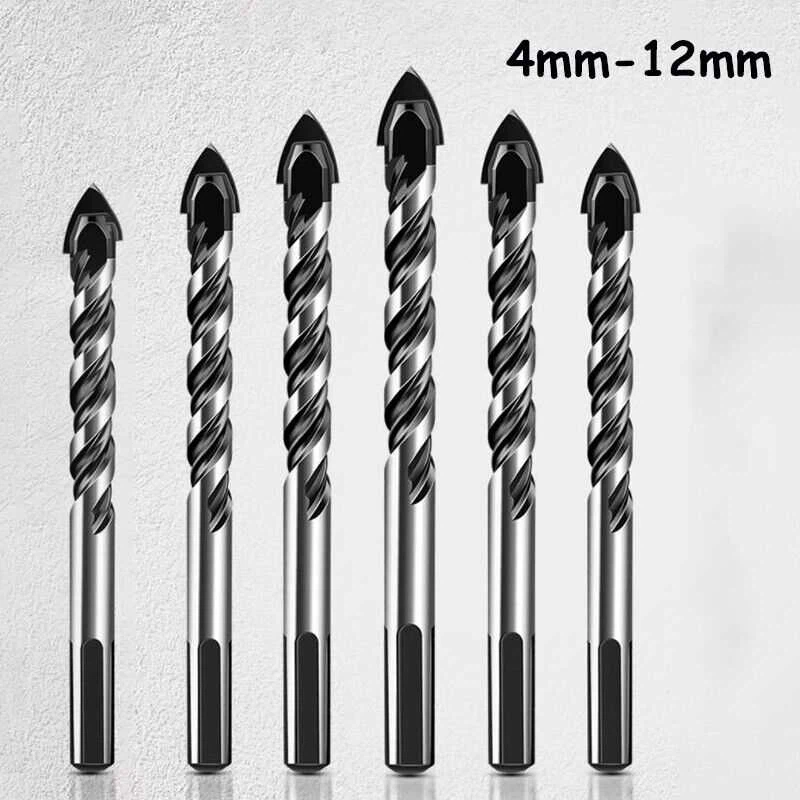
3. Spear-Pointed Tile Bits
Spear-pointed tile bits are specifically designed for drilling into ceramic and porcelain tiles. Their sharp, pointed tip helps prevent the bit from slipping and ensures a clean entry point.
Pros: Affordable, easy to use, and prevents slipping.
Cons: Not suitable for very hard materials like granite.
Usage: Best for ceramic and porcelain tiles.
4. Glass and Tile Drill Bits
Glass and tile drill bits are versatile tools that can be used for both ceramic tiles and glass. They have a spear-shaped tip that reduces the risk of cracking.
Pros: Versatile and easy to use.
Cons: Less durable than diamond-tipped bits.
Usage: Suitable for ceramic tiles, glass, and mirrors.
5. Professional Masonry Drill Bit Set by TITGGI
This 10-piece set includes drill bits ranging from 1/8″ to 1/2″ in size. They're made for drilling into tough materials like glass, brick, plastic, cement, wood, and tile. The bits have strong carbide tips, ensuring durability and a long lifespan.
Tips for Drilling into Ceramic Tiles
Use Masking Tape: Place a small piece of masking tape over the mark to prevent the drill bit from slipping.
Start Slowly: Set your drill to a low speed and start drilling at a 45-degree angle. Once the bit has created a small groove, gradually straighten the drill to a 90-degree angle.
Use Water Cooling: To prevent overheating, periodically dip the drill bit in water or use a spray bottle to keep the area cool.
Apply Steady Pressure: Apply gentle, steady pressure while drilling. Let the drill bit do the work-avoid forcing it.


