

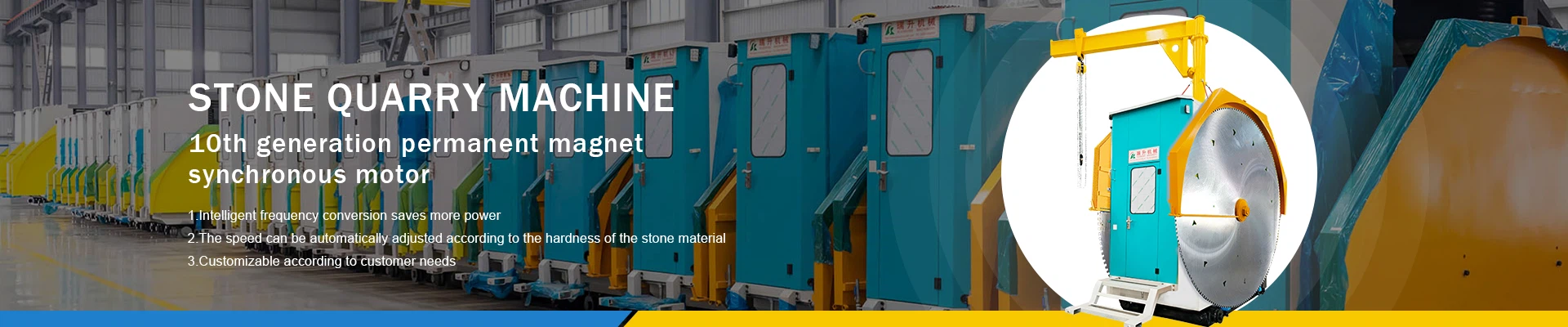
The hardest drill bits available are typically made from tungsten carbide or polycrystalline diamond (PCD). These materials offer exceptional hardness and durability, making them suitable for drilling through the toughest materials like hardened steel, concrete, and stone.
Tungsten Carbide Drill Bits
1.Hardness: Tungsten carbide drill bits can achieve hardness levels up to 71 on the Rockwell hardness scale. This makes them significantly harder than high-speed steel (HSS) or cobalt bits.
2.Applications: They are ideal for drilling through hard metals like stainless steel, cast iron, and even concrete.
3.Characteristics: These bits are very durable and can maintain their cutting edge longer than other types of drill bits. However, they are also more brittle and can chip or break if not used properly.
Polycrystalline Diamond (PCD) Drill Bits
1.Hardness: PCD bits are among the hardest available, making them suitable for drilling through extremely hard materials like glass, ceramic, and stone.
2.Applications: PCD bits are commonly used in industries such as aerospace, automotive, and construction, where precision and durability are critical.
3.Characteristics: These bits are highly resistant to wear and heat, but they are also more expensive and require careful handling to avoid damage.
Comparison with Other Materials
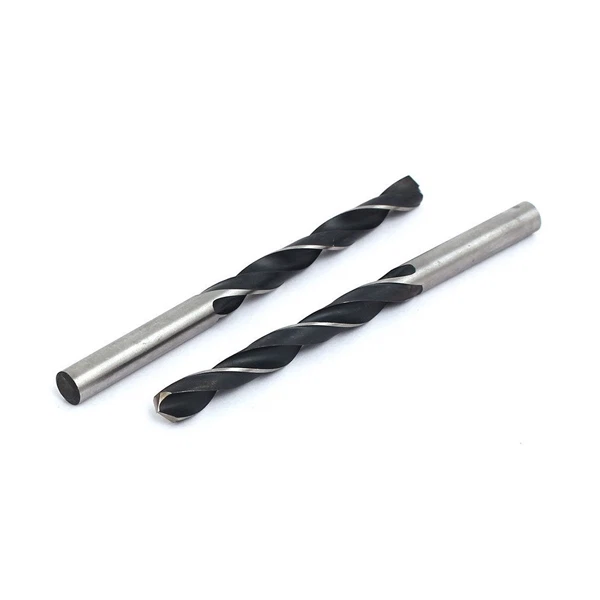
1.High-Speed Steel (HSS): HSS bits are versatile and affordable but are not as hard as carbide or PCD bits. They are suitable for softer materials like wood, plastic, and mild steel.
2.Cobalt Drill Bits: Cobalt bits are harder than HSS bits and can withstand higher temperatures, making them suitable for drilling through tougher metals like stainless steel. However, they are not as hard as carbide bits.
what is a drill bit made of
Drill bits are made from various materials, each chosen for its specific properties such as hardness, durability, and heat resistance. The choice of material depends on the intended use and the type of material the drill bit will be used on. Here are the most common materials used for making drill bits:
1. High-Speed Steel (HSS)
Properties: HSS is a popular material for drill bits due to its balance of hardness, toughness, and heat resistance. It can withstand high temperatures without losing its cutting edge.
Uses: Suitable for general-purpose drilling in wood, metal, and plastic.
Appearance: Typically silver or grey in color.
2. Cobalt Steel
Properties: Cobalt steel is harder and more heat-resistant than HSS. It contains 5% to 8% cobalt, which enhances its durability and ability to cut through harder materials.
Uses: Ideal for drilling into hardened steel, stainless steel, and other tough metals.
Appearance: Often gold or black, depending on the coating.
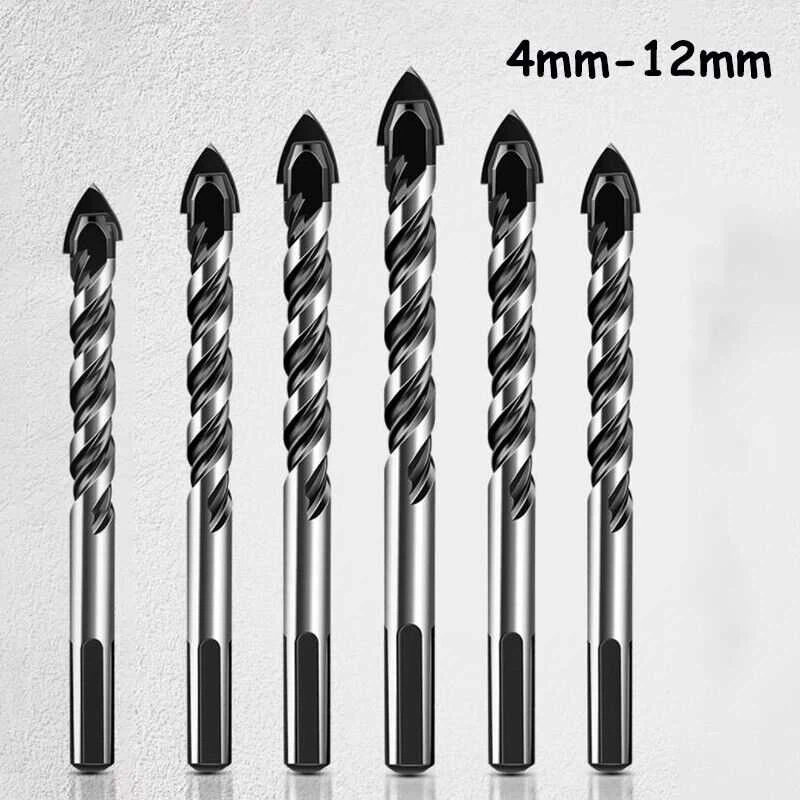
3. Carbide
Properties: Carbide (usually tungsten carbide) is extremely hard and durable. It can withstand very high temperatures and is less likely to dull compared to HSS or cobalt steel.
Uses: Best for drilling into very hard materials like concrete, brick, stone, and hardened steel.
Appearance: Typically black or grey, with a carbide tip.
4. Titanium-Coated High-Speed Steel (TiN)
Properties: Titanium nitride (TiN) is a thin coating applied to HSS bits. It reduces friction, improves heat resistance, and extends the life of the bit.
Uses: Suitable for general-purpose drilling in wood, metal, and plastic. Particularly effective in reducing wear and tear.
Appearance: Gold in color due to the titanium coating.
5. Black Oxide Coated High-Speed Steel
Properties: Black oxide coating provides corrosion resistance and reduces friction. It also helps to dissipate heat more effectively.
Uses: Suitable for general-purpose drilling in wood, metal, and plastic.
Appearance: Black in color.
6. Titanium Aluminum Nitride (TiAlN)
Properties: TiAlN coating offers excellent heat resistance and wear resistance, making it suitable for high-speed drilling.
Uses: Ideal for drilling into harder metals like stainless steel and hardened steel.
Appearance: Blue in color.
7. Aluminum Titanium Nitride (AlTiN)
Properties: AlTiN coating provides superior heat resistance and wear resistance, making it suitable for very high-speed drilling.
Uses: Ideal for drilling into very hard materials and for high-speed applications.
Appearance: Red in color.
8. Diamond-Coated
Properties: Diamond coating provides extreme hardness and durability, making it suitable for drilling into very hard materials like glass, ceramic, and stone.
Uses: Ideal for drilling into ceramic tiles, glass, and granite.
Appearance: Silver with a shiny, diamond-coated tip.

Summary
High-Speed Steel (HSS): General-purpose drilling in wood, metal, and plastic.
Cobalt Steel: Hardened steel, stainless steel, and tough metals.
Carbide: Concrete, brick, stone, and hardened steel.
Titanium-Coated HSS (TiN): General-purpose drilling with reduced wear.
Black Oxide Coated HSS: General-purpose drilling with corrosion resistance.
Titanium Aluminum Nitride (TiAlN): High-speed drilling in hard metals.
Aluminum Titanium Nitride (AlTiN): Very high-speed drilling in very hard materials.
Diamond-Coated: Glass, ceramic, and stone.
what is a drill bit used for
A drill bit is a cutting tool used to create holes in various materials. It is designed to be attached to a drill, which powers the bit to rotate and cut through the material. Drill bits come in a wide variety of shapes, sizes, and materials, each tailored for specific applications. Here's a detailed look at what drill bits are used for:
1. Woodworking
Pilot Holes: Drill bits are used to create pilot holes for screws, dowels, or other fasteners. This prevents the wood from splitting.
General Drilling: Bits are used to create holes for various woodworking projects, such as assembling furniture, installing hinges, or creating decorative elements.
Specialized Bits: Brad point bits, Forstner bits, and auger bits are specifically designed for precise and clean holes in wood.
2. Metalworking
General Drilling: Drill bits are used to create holes in metals like steel, aluminum, and brass. High-speed steel (HSS) and cobalt bits are commonly used for this purpose.
Tapping Holes: Drill bits are used to create holes that will be tapped (threaded) for screws or bolts.
Specialized Bits: Carbide-tipped bits and titanium-coated bits are used for drilling into harder metals like stainless steel.
3. Masonry Work
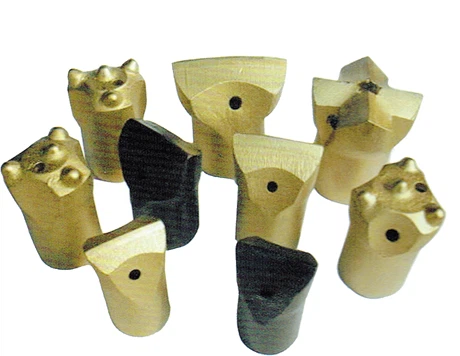
Concrete and Brick: Masonry drill bits, often carbide-tipped, are used to create holes in concrete, brick, and stone. These bits are designed to withstand the hardness of masonry materials.
Tile and Glass: Diamond-tipped drill bits are used for drilling holes in ceramic tiles, porcelain, glass, and other brittle materials.
4. Plastic and Composite Materials
General Drilling: Drill bits are used to create holes in plastic, fiberglass, and other composite materials. Specialized bits are available to prevent melting or cracking.
Precision Work: Bits with specific coatings or designs are used to ensure clean and precise holes in these materials.
5. Construction and DIY Projects
Home Improvement: Drill bits are essential for tasks like installing cabinets, shelves, and other fixtures. They are used to create holes for screws, bolts, and anchors.
Light Industrial Use: Drill bits are used in workshops and small-scale manufacturing for drilling holes in various materials.
6. Specialized Applications
Electrical Work: Drill bits are used to create holes for running electrical wiring through walls, floors, and ceilings.
Plumbing: Drill bits are used to create holes for pipes, fittings, and other plumbing components.
Automotive: Drill bits are used for various tasks in automotive repair and maintenance, such as drilling holes for new parts or removing old ones.
Types of Drill Bits and Their Uses
Twist Drill Bits: General-purpose bits suitable for wood, metal, and plastic.
Brad Point Bits: Designed for precise drilling in wood.
Masonry Bits: Carbide-tipped bits for drilling into concrete, brick, and stone.
Tile Bits: Diamond-tipped bits for drilling into ceramic tiles and glass.
Auger Bits: Long, spiral bits for drilling deep holes in wood.
Forstner Bits: Flat-bottomed bits for creating precise holes in wood.
Hole Saws: Cylindrical bits with teeth for cutting large-diameter holes in wood, metal, and plastic.
Benefits of Using Drill Bits
Precision: Drill bits allow for precise and accurate holes, which is crucial for many applications.
Versatility: Available in a wide range of sizes and materials, drill bits can handle various materials and tasks.
Efficiency: Properly chosen drill bits can significantly speed up drilling tasks and improve overall efficiency.
Durability: High-quality drill bits, such as those made from carbide or high-speed steel, are designed to last longer and withstand wear.
what is a jobber length drill bit
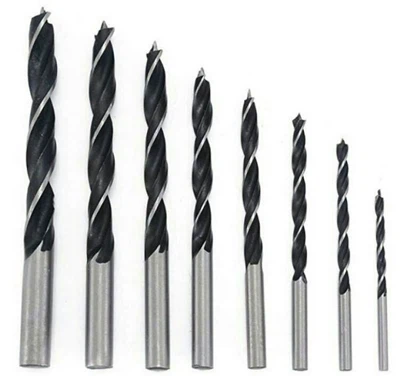
A jobber length drill bit is a type of twist drill bit designed for general-purpose drilling applications. It is one of the most commonly used drill bits due to its versatility and effectiveness in a wide range of materials. The term "jobber length" refers to the overall length of the drill bit, which is typically longer than other types of drill bits, such as taper or screw machine bits. This longer length makes jobber bits suitable for drilling deeper holes.
Key Features of Jobber Length Drill Bits
1.Length:
Longer than Taper Bits: Jobber length drill bits are longer than taper bits, making them ideal for drilling deeper holes.
Standard Length: They are designed to be long enough for most general-purpose drilling tasks but not excessively long, which can make them more stable and less prone to breaking.
2.Point Angle:
118 Degrees: Jobber length drill bits typically have a point angle of 118 degrees. This angle is suitable for general-purpose drilling in a variety of materials, including wood, metal, and plastic.
3.Material:
High-Speed Steel (HSS): Most jobber length drill bits are made from high-speed steel (HSS), which is durable and can withstand high temperatures.
Cobalt: For more demanding applications, jobber length bits can also be made from cobalt steel, which offers greater hardness and heat resistance.
4.Flute Design:
Twist Flutes: Jobber length drill bits have helical (twisted) flutes that help remove material efficiently as the bit drills into the workpiece. The flute design also helps in maintaining the bit's sharpness and cutting efficiency.
Uses of Jobber Length Drill Bits
1.General-Purpose Drilling:
Wood: Ideal for drilling holes in wood for screws, dowels, and other joinery.
Metal: Suitable for drilling into softer metals like aluminum and mild steel.
Plastic: Effective for creating holes in plastic materials.
2.Deep Hole Drilling:
The longer length of jobber drill bits makes them suitable for drilling deeper holes compared to shorter bits like taper or screw machine bits.
3.Versatile Applications:
Jobber length drill bits are used in a wide range of industries, including construction, automotive, woodworking, and general manufacturing. They are also commonly used in DIY projects around the home.
Advantages of Jobber Length Drill Bits
1.Versatility:
Suitable for a variety of materials and applications, making them a go-to choice for many drilling tasks.
2.Durability:
Made from high-quality materials like HSS or cobalt, ensuring long-lasting performance and resistance to wear.
3.Efficiency:
The helical flutes and 118-degree point angle help in efficient material removal and precise hole-making.
4.Cost-Effectiveness:
Jobber length drill bits are widely available and relatively inexpensive, making them a cost-effective option for general-purpose drilling.
Tips for Using Jobber Length Drill Bits
1.Speed and Feed:
Adjust the drilling speed according to the material. Use a slower speed for harder materials and a faster speed for softer materials.
Apply steady and consistent pressure to ensure smooth drilling.
2.Lubrication:
Use cutting oil or lubricant when drilling into metal to reduce friction and heat buildup. This helps prolong the life of the bit and improves hole quality.
3.Pilot Holes:
For more precise drilling, especially in hard materials, start with a small pilot hole to guide the jobber drill bit.
4.Safety:
Always wear safety goggles and gloves to protect yourself from flying debris and sharp edges.
how a drill bit is made
he manufacturing process of drill bits is a meticulous and multi-step procedure that ensures the production of high-quality, reliable tools. Here's a detailed overview of how drill bits are made:
1. Material Selection
The first step in manufacturing a drill bit is selecting the right material. High-speed steel (HSS) and tungsten carbide are commonly used due to their durability and hardness. These materials are chosen based on the intended application and specific requirements of the drill bit.
2. Forging or Forming
The selected material is then forged or formed into the basic shape of the drill bit. Forging is typically used for high-performance drill bits, offering enhanced strength and durability. Standard drill bits might be produced using simpler forming techniques.
3. Heat Treatment
Heat treatment is a crucial process that enhances the hardness and wear resistance of the drill bit. Common methods include quenching and tempering, which help achieve the desired balance of hardness and toughness. This step is essential for ensuring the drill bit can endure high-stress conditions without compromising its structural integrity.
4. Rough Machining
In the rough machining phase, lathes, milling machines, and other mechanical equipment are used to shape the drill bit to its initial geometric specifications. This stage involves cutting, turning, and grinding operations to create the preliminary form of the drill bit.
5. Precision Machining
Precision machining follows, where the drill bit undergoes finer processing to achieve exact dimensional accuracy and surface finish. This stage includes grinding and polishing operations to meet stringent design specifications and ensure a high-quality surface finish.
6. Cutting Edge Formation
The cutting edges of the drill bit are meticulously ground to create sharp and effective cutting edges. The angles and shapes of these edges are critical for the performance of the drill bit. Specialized equipment is used to ensure precise and consistent edge formation.
7. Coating Treatment
To further enhance durability and performance, drill bits may undergo surface coating treatments, such as titanium or titanium nitride coating. These coatings significantly improve wear resistance and heat tolerance, extending the lifespan of the drill bit.
8. Inspection and Quality Control
Rigorous quality control measures are implemented to ensure each drill bit meets the required standards. This includes dimensional inspection, hardness testing, and surface quality assessment. Only those drill bits that pass these stringent tests are approved for packaging and distribution.
9. Packaging and Distribution
Approved drill bits are carefully packaged and labeled, ready for shipment to customers. Clear identification and proper packaging ensure the drill bits are protected during transit and easily identifiable for end-users.
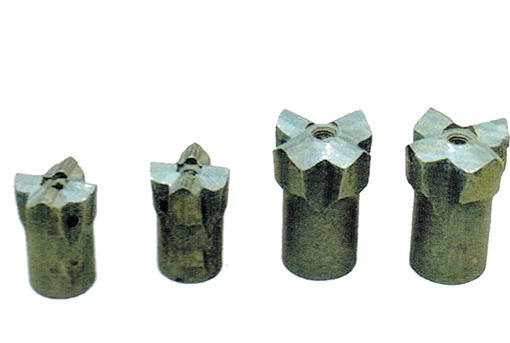
Special Considerations for Carbide Drill Bits
Carbide drill bits, which are particularly hard and durable, undergo additional steps in their manufacturing process:
Powder Metallurgy: Tungsten carbide powder is mixed with cobalt powder and other materials, then pressed and heated into a super-hard metal compound.
Sintering: The pressed powder is heated in a furnace to bond the particles together, creating a solid piece.
Grinding and Machining: The sintered carbide is then ground and machined into the final drill bit shape.
how do you sharpen drill bits
Sharpening drill bits can significantly extend their life and improve their performance. Here's a comprehensive guide on how to sharpen drill bits using various methods:
Using a Bench Grinder
1.Inspect the Drill Bit: Check for signs of wear, such as dull edges or chips.
2.Prepare the Grinder: Ensure the bench grinder is securely mounted and the grinding wheel is appropriate for the task.
3.Safety Gear: Wear safety glasses and gloves to protect yourself from sparks and sharp edges.
4.Position the Bit: Hold the drill bit at a 60-degree angle to the grinding wheel. The cutting edge should be parallel to the front of the wheel.
5.Grind the Edges: Turn on the grinder and gently press the bit against the wheel. Move the bit back and forth to sharpen the edges evenly.
6.Cool the Bit: Dip the bit in water periodically to prevent overheating.
7.Repeat for the Other Side: Turn the bit over and repeat the process for the other cutting edge.
8.Test the Bit: Drill a hole in a piece of scrap material to ensure the bit is sharp and cuts cleanly.
Using a Drill Bit Sharpener
1.Adjust the Sharpener: Set the sharpener to the correct angle (usually 118 degrees for general-purpose bits).
2.Secure the Bit: Place the drill bit in the holder and ensure it is firmly in place.
3.Sharpen the Bit: Turn on the sharpener and guide the bit through the sharpening slots. Allow the machine to do the work.
4.Check the Bit: Inspect the bit to ensure both sides are sharpened evenly.
5.Test the Bit: Drill a hole in a piece of scrap material to ensure the bit is sharp and cuts cleanly.
Using a File
1.Secure the Bit: Clamp the drill bit in a vise to hold it steady.
2.File the Edges: Use a flat file to gently sharpen the cutting edges. Maintain the original angle of the bit.
3.Check Progress: Regularly inspect the bit to ensure even sharpening.
4.Repeat for the Other Side: Turn the bit over and repeat the process for the other cutting edge.
how to know which drill bit to use
To choose the right drill bit for your project, consider the following factors:
1. Material You Are Drilling
Wood: Use brad-point bits for clean, precise holes. Spade bits are great for larger holes, while auger bits excel in deep drilling.
Metal: High-speed steel (HSS) bits are suitable for softer metals like aluminum and mild steel. For harder metals like stainless steel, cobalt bits are recommended.
Masonry (Concrete, Brick, Stone): Carbide-tipped or diamond-tipped bits are necessary for drilling into these hard materials.
Glass & Tile: Diamond-tipped bits are ideal for these delicate materials to ensure clean cuts without cracking.
2. Drill Bit Material
High-Speed Steel (HSS): Suitable for general-purpose drilling in wood, plastic, and soft metals.
Cobalt: More durable and heat-resistant, ideal for harder metals like stainless steel.
Carbide-Tipped: Best for drilling into very hard materials like concrete and stone.
Diamond-Coated: Provides precision and durability for drilling through glass, ceramic, and tiles.
3. Drill Bit Size
Always match the drill bit size to the diameter of the hole you need. For example:
Wood Screws: Use a pilot hole slightly smaller than the screw diameter.
Masonry Anchors: Match the anchor size for secure fastening.
Metal Drilling: Use cutting fluid to minimize heat buildup and select the appropriate bit size for the material thickness.
4. Drill Bit Type
Twist Bits: The most common type, suitable for general drilling in wood, metal, and plastic.
Spade Bits: Flat bits with a sharp point, ideal for large holes in wood.
Hole Saws: Used for cutting large-diameter holes in wood, metal, and plastic.
Step Bits: Allow drilling multiple hole sizes with one bit, useful for electrical work.
5. Shank Type
Straight Shank: Compatible with standard three-jaw chucks, suitable for most drills.
Hex Shank: Provides better grip and prevents slippage in quick-change chucks.
SDS-Plus & SDS-Max: Designed for hammer drills and rotary hammers, ideal for masonry and concrete.
6. Coatings
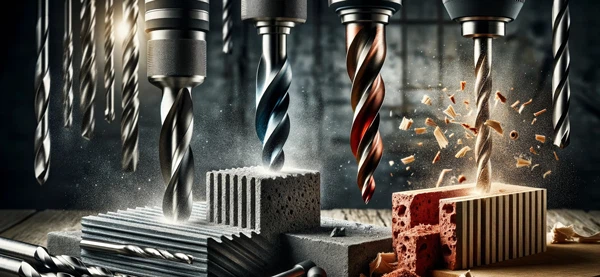
Titanium Coating: Enhances durability and reduces friction, making bits sharper for longer.
Black Oxide Coating: Provides additional durability and resistance to rust.
7. Maintenance Tips
Clean After Use: Remove debris and apply a light coat of oil to prevent rust.
Store Properly: Keep bits in a dry, organized case to avoid damage.
Sharpen Regularly: Use a bench grinder or specialized tool to maintain sharp edges.
how to remove rust from drill bits
Removing rust from drill bits is essential for maintaining their performance and extending their lifespan. Here are some effective methods to remove rust from drill bits:
Method 1: Using White Vinegar
White vinegar is a natural rust remover that can effectively dissolve rust without damaging the metal.
1.Prepare a Vinegar Solution:
Fill a container with enough white vinegar to fully submerge the rusted drill bits.
Add a tablespoon of salt to the vinegar to enhance its rust-removing properties.
2.Soak the Drill Bits:
Place the rusted drill bits in the vinegar solution.
Allow them to soak for 24 to 48 hours. The longer they soak, the more effective the rust removal will be.
3.Scrub the Bits:
After soaking, remove the drill bits from the vinegar solution.
Use a soft-bristle brush (such as an old toothbrush) to gently scrub away any remaining rust.
4.Rinse and Dry:
Rinse the drill bits thoroughly with water to remove any vinegar residue.
Dry them completely with a clean cloth to prevent further rusting.
Method 2: Using Baking Soda and Water
Baking soda is a mild abrasive that can help remove rust without scratching the metal.
1.Prepare a Paste:
Mix equal parts baking soda and water to form a thick paste.
2.Apply the Paste:
Spread the baking soda paste over the rusted areas of the drill bits.
3.Let It Sit:
Allow the paste to sit on the drill bits for about 30 minutes to an hour. This gives the baking soda time to work on the rust.
4.Scrub the Bits:
Use a soft-bristle brush to gently scrub the rusted areas. The baking soda will help to lift the rust off the metal.
5.Rinse and Dry:
Rinse the drill bits thoroughly with water to remove the baking soda paste and any remaining rust.
Dry them completely with a clean cloth.
Method 3: Using Sandpaper
Sandpaper can be used to physically remove rust from the surface of the drill bits.
1.Choose the Right Grit:
Start with a medium-grit sandpaper (around 120-grit) for heavier rust.
For finer rust removal, use a finer grit (around 400-grit).
2.Sand the Bits:
Gently sand the rusted areas in a circular motion. Be careful not to apply too much pressure, as this can damage the bit.
3.Rinse and Dry:
After sanding, rinse the drill bits with water to remove any rust particles.
Dry them completely with a clean cloth.
Method 4: Using Commercial Rust Removers
There are many commercial rust removers available that can effectively remove rust from metal surfaces.
1.Choose a Rust Remover:
Select a rust remover specifically designed for metal tools. Popular options include WD-40 Specialist Rust Remover Soak, CRC Rust Remover, and Naval Jelly.
2.Apply the Rust Remover:
Follow the manufacturer's instructions for application. Typically, you will need to spray or apply the rust remover to the rusted areas.
3.Let It Sit:
Allow the rust remover to sit on the drill bits for the recommended time (usually 15-30 minutes).
4.Scrub the Bits:
Use a soft-bristle brush to gently scrub away the rust.
5.Rinse and Dry:
Rinse the drill bits thoroughly with water to remove any residue from the rust remover.
Dry them completely with a clean cloth.

Tips for Preventing Rust
Store Properly: Keep your drill bits in a dry, cool place to prevent rust from forming.
Apply Oil: Lightly coat your drill bits with a thin layer of machine oil or penetrating oil to protect them from moisture.
Regular Maintenance: Inspect your tools regularly and address any signs of rust promptly.


