

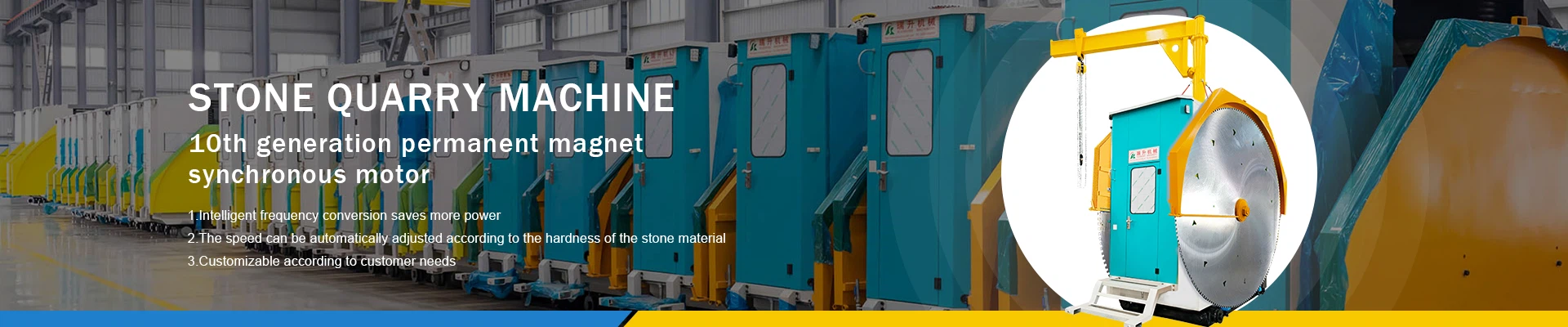
The main parts of a grinding machine include the following components:
1. Grinding Wheel
The grinding wheel is the primary cutting tool. It consists of abrasive particles held together by a bonding material. The choice of grinding wheel depends on the material being ground, the required surface finish, and the desired shape or form of the workpiece.
2. Machine Bed
The bed provides the structural support for the grinder and absorbs vibrations during the grinding process.
3. Wheel Head
The wheel head holds the grinding wheel and manages its positioning and rotation. It can be moved up or down using a vertical feed handwheel.
4. Work Holding Device
This device secures the workpiece during the grinding process. Common types include rotary tables, chucks, or centers.

5. Worktable
The worktable supports the workpiece and allows it to move relative to the grinding wheel. It can be manually adjusted or controlled by CNC systems.
6. Wheel Guard
The wheel guard covers the grinding wheel to prevent accidental contact with the rotating wheel, reducing the risk of accidents.
7. Coolant System
Many grinding machines are equipped with a coolant system to dissipate heat generated during grinding. This system helps to cool the grinding wheel and workpiece, reducing the risk of thermal damage.
8. Control Panel
The control panel allows the operator to adjust various parameters, such as speed, feed rate, and depth of cut. It is essential for achieving precise and repeatable grinding results.
9. Feed Mechanism
The feed mechanism controls the direction and rate of movement of the workpiece relative to the grinding wheel.
10. Dressing Tool
The dressing tool is used to reshape the grinding wheel to maintain its sharpness and cutting ability.
what are the uses of grinding machine
Grinding machines are versatile tools used across various industries for a wide range of applications. Here are some of the primary uses of grinding machines:
1. Material Removal and Shaping
Surface Grinding: Used to create flat and smooth surfaces on materials like metal, plastic, and composites. This is crucial in industries such as automotive, aerospace, and tool making.
Cylindrical Grinding: Used to shape and finish cylindrical objects, such as shafts, pins, and rollers. Essential in manufacturing components for engines, transmissions, and other machinery.
Internal Grinding: Used to grind the internal surfaces of holes in parts, ensuring precise dimensions and smooth finishes. Common in the production of bearings, gears, and other components with internal bores.
2. Precision Machining
High Precision Grinding: Achieves extremely tight tolerances and high surface finishes. Used in industries like aerospace, medical device manufacturing, and electronics, where precision is critical.
Form Grinding: Used to create complex shapes and profiles on workpieces. This is important for manufacturing tools, dies, and molds with intricate geometries.
3. Tool and Cutter Sharpening
Tool and Cutter Grinding: Used to sharpen and maintain cutting tools such as drills, milling cutters, and reamers. Essential in tool and die making, as well as in general machining shops to ensure tools remain sharp and efficient.
4. Surface Finishing
Polishing and Lapping: Used to achieve high-quality surface finishes, often for aesthetic or functional purposes. Common in the production of optical components, precision instruments, and high-end consumer products.
Deburring and Edge Preparation: Used to remove burrs and sharp edges from machined parts, ensuring smooth and safe handling. Important in industries like automotive, aerospace, and consumer electronics.

5. Heat Treatment and Surface Hardening
Surface Hardening: The grinding process can induce surface hardening, improving the wear resistance and durability of parts. This is useful for components subjected to high wear and tear.
6. Reconditioning and Repair
Reconditioning Worn Parts: Used to restore worn or damaged parts to their original dimensions and surface finish. Common in maintenance and repair operations for machinery and equipment.
7. Mass Production
High-Volume Grinding: Used in mass production environments to efficiently grind large quantities of parts. Centerless grinding machines, for example, are ideal for high-volume production of small cylindrical parts.
8. Complex Geometries
Complex Shape Grinding: Some grinding machines, especially CNC-controlled ones, can handle complex geometries and profiles. This is essential in industries like aerospace and medical device manufacturing, where components often have intricate shapes.
9. Hard Material Machining
Grinding Hard Materials: Grinding machines are effective for machining hard materials like ceramics, carbides, and hardened steels. This is crucial in industries that require high-precision machining of tough materials.
10. Quality Control and Inspection
Inspection and Measurement: Grinding machines can be used to prepare surfaces for inspection and measurement, ensuring that parts meet the required specifications and tolerances.
Applications Across Industries
Automotive Industry: For grinding engine components, transmission parts, and other critical automotive parts.
Aerospace Industry: For manufacturing high-precision components like turbine blades, engine parts, and landing gear.
Medical Device Manufacturing: For producing precision instruments, implants, and other medical devices.
Tool and Die Making: For creating molds, dies, and cutting tools with high precision.
General Machining: For maintaining and sharpening cutting tools, as well as for general material removal and surface finishing tasks.
what hold a cnc machine grinder size dimensions
The size dimensions of a CNC machine grinder are crucial for determining its capabilities and applications. Here are some key dimensions and specifications that are commonly considered when selecting a CNC grinder:
General Size Dimensions
Machine Dimensions:
Length: Variable, typically ranges from a few feet for small tabletop units to several meters for large industrial machines.
Width: Variable, often between 1 meter to several meters depending on the machine type.
Height: Variable, usually between 1 meter to over 2 meters.
Floor Space: The overall footprint of the machine, which can range from a small area for compact grinders to a large space for industrial models.
Workpiece Capacity
Maximum Grinding Length: The longest workpiece that can be ground, ranging from a few inches to several meters.
Maximum Grinding Width: The widest workpiece that can be accommodated, typically up to several feet.
Maximum Grinding Height: The tallest workpiece that can be ground, usually up to several feet.
Maximum Weight of Workpiece: The heaviest workpiece the machine can handle, ranging from a few kilograms to several tons.
Grinding Wheel Specifications
Grinding Wheel Diameter: The diameter of the grinding wheel, which can vary from a few inches to over a foot.
Grinding Wheel Width: The width of the grinding wheel, typically ranging from a few inches to several inches.
Grinding Wheel Bore Diameter: The bore diameter of the grinding wheel, which must match the spindle of the grinder.

Machine Performance
Spindle Speed: The speed at which the grinding wheel rotates, often variable and can range from a few hundred to several thousand RPM.
Spindle Motor Power: The power of the spindle motor, typically ranging from a few horsepower to several kilowatts.
Table Size: The size of the worktable, which can range from small tabletop sizes to large industrial tables.
Table Load Capacity: The maximum weight the table can support, often up to several tons.
what is a cnc grinding machine
A CNC grinding machine is a highly advanced and precise type of grinding machine that uses computer numerical control (CNC) technology to automate and control the grinding process. This allows for the production of complex parts with high precision and repeatability. Here's a detailed explanation of what a CNC grinding machine is and how it works:
Key Features of CNC Grinding Machines
1.Computer Numerical Control (CNC) System:
Control Panel: The CNC system includes a control panel with a computer interface that allows operators to program and control the grinding operations. This panel can be used to input specific dimensions, speeds, and feeds for the grinding process.
Automation: The CNC system automates the grinding process, reducing the need for manual intervention and increasing efficiency and accuracy.
2.High Precision:
Tight Tolerances: CNC grinding machines are capable of achieving extremely tight tolerances, often in the range of micrometers (µm). This makes them ideal for applications where high precision is critical.
Surface Finish: They can produce surfaces with very low roughness values, ensuring high-quality finishes.
3.Versatility:
Multiple Operations: CNC grinding machines can perform a variety of grinding operations, including surface grinding, cylindrical grinding, internal grinding, and form grinding.
Complex Geometries: They can handle complex shapes and profiles, making them suitable for manufacturing intricate parts.
4.High Efficiency:
Automated Processes: The automation provided by CNC technology allows for continuous operation, reducing downtime and increasing productivity.
Consistency: CNC grinding machines ensure consistent results, reducing the risk of human error and improving overall quality control.
Types of CNC Grinding Machines
1.CNC Surface Grinder:
Description: Used for grinding flat surfaces. The grinding wheel is mounted on a spindle and moves across the worktable to remove material.
Applications: Commonly used in manufacturing industries to produce components like machine bases, plates, and other flat parts.
2.CNC Cylindrical Grinder:
Description: Used for grinding cylindrical parts. The workpiece is mounted on centers or chucks and rotates while the grinding wheel removes material.
Applications: Ideal for manufacturing shafts, pins, and other cylindrical components.
3.CNC Centerless Grinder:
Description: Used for grinding small cylindrical parts without the need for centers. The workpiece is supported by a rest blade and a regulating wheel.
Applications: Commonly used in mass production of small parts like bearings and pins.
4.CNC Tool and Cutter Grinder:
Description: Specialized for grinding cutting tools like milling cutters, drills, and reamers. These machines often have multiple grinding wheels and complex movements.
Applications: Essential in tool and die making and manufacturing industries for maintaining and sharpening cutting tools.
5.CNC Internal Grinder:
Description: Used for grinding the internal surfaces of holes in cylindrical components. The grinding wheel is small and fits inside the hole.
Applications: Used in industries where precise internal dimensions are required, such as in the production of hydraulic cylinders and gears.

Components of a CNC Grinding Machine
1.Grinding Wheel:
The primary cutting tool, made from abrasive materials like aluminum oxide, silicon carbide, or diamond.
2.Spindle:
Holds and rotates the grinding wheel at high speeds.
3.Worktable:
Supports the workpiece and can move in multiple directions (X, Y, Z axes) to position the workpiece under the grinding wheel.
4.Control Panel:
The interface for programming and controlling the grinding operations.
5.Coolant System:
Used to cool the grinding wheel and workpiece, reducing heat and improving surface finish.
6.Safety Features:
Guards and protective covers to ensure operator safety.
Advantages of CNC Grinding Machines
1.High Precision:
Achieves extremely tight tolerances and high surface finishes.
2.Automation:
Reduces manual labor and increases productivity.
3.Consistency:
Ensures repeatable results, reducing the risk of errors.
4.Complex Geometries:
Capable of producing intricate shapes and profiles.
5.Versatility:
Suitable for a wide range of materials and applications.
Applications of CNC Grinding Machines
Aerospace Industry: For manufacturing high-precision components like turbine blades and engine parts.
Automotive Industry: For producing engine parts, transmission components, and other critical automotive parts.
Medical Device Manufacturing: For creating precision instruments and implants.
Tool and Die Making: For manufacturing molds, dies, and cutting tools.
General Machining: For maintaining and sharpening cutting tools and general material removal tasks.
what is a grinding machine operator
A grinding machine operator is a skilled worker responsible for operating and maintaining grinding machines to produce high-precision components. These operators play a crucial role in various manufacturing industries, ensuring that parts meet stringent quality and tolerance requirements. Here's a detailed overview of what a grinding machine operator does:
Key Responsibilities
1.Machine Setup:
Tooling and Fixtures: Install and adjust grinding wheels, cutting tools, and workholding fixtures according to job specifications.
Initial Setup: Set up the machine for the specific job, including adjusting speeds, feeds, and depths of cut.
2.Operation:
Material Removal: Operate the grinding machine to remove material from workpieces, achieving the desired dimensions and surface finish.
Monitoring: Continuously monitor the grinding process to ensure it runs smoothly and efficiently. This includes checking for any unusual vibrations, noises, or deviations from the norm.
3.Quality Control:
Inspection: Regularly inspect workpieces to ensure they meet the required specifications and tolerances. This may involve using precision measuring tools like micrometers, calipers, and gauges.
Adjustments: Make necessary adjustments to the machine settings or grinding parameters to correct any deviations and maintain quality.
4.Maintenance:
Routine Maintenance: Perform regular maintenance tasks such as cleaning, lubricating, and replacing worn parts to ensure the machine operates efficiently and safely.
Troubleshooting: Diagnose and resolve any issues that arise during operation, minimizing downtime and maintaining productivity.
5.Safety:
Safety Protocols: Adhere to all safety protocols and guidelines, including wearing appropriate personal protective equipment (PPE) such as safety glasses, gloves, and ear protection.
Machine Guards: Ensure that all safety guards and protective devices are in place and functioning properly.
6.Record Keeping:
Documentation: Maintain accurate records of machine settings, maintenance activities, and production data. This information is crucial for quality control and traceability.

Required Skills and Qualifications
1.Technical Skills:
Machine Operation: Proficiency in operating various types of grinding machines, including manual and CNC grinders.
Tooling Knowledge: Understanding of different grinding wheels and cutting tools, and their appropriate applications.
2.Attention to Detail:
Precision Work: Ability to perform high-precision work, ensuring that parts meet tight tolerances and quality standards.
3.Problem-Solving:
Troubleshooting: Strong problem-solving skills to diagnose and resolve issues quickly and efficiently.
4.Safety Awareness:
Safety Practices: Thorough knowledge of safety protocols and the ability to work safely in a manufacturing environment.
5.Communication:
Team Collaboration: Effective communication skills to collaborate with other team members, including setup operators, maintenance technicians, and quality control personnel.
Work Environment
Grinding machine operators typically work in manufacturing environments such as automotive, aerospace, tool and die making, and general machining industries. The work environment can be noisy and may involve exposure to metal particles and cutting fluids. Operators must be comfortable working in such conditions and adhere to all safety regulations.
Career Outlook
The demand for skilled grinding machine operators remains strong, particularly in industries that rely on precision manufacturing. With the increasing adoption of advanced technologies like CNC grinding machines, operators who are proficient in both manual and automated operations are highly valued.
what is grinding machine definition
A grinding machine, often simply referred to as a grinder, is a type of machine tool used to remove material from a workpiece through the process of grinding. This is achieved by using an abrasive wheel or belt that rotates at high speeds to cut away material, achieving precise dimensions and smooth surfaces.
Key Characteristics of Grinding Machines
1.Abrasive Cutting:
Grinding machines use abrasive materials (such as aluminum oxide, silicon carbide, or diamond) to remove material from the workpiece. The abrasive particles act like tiny cutting tools, removing material in small increments.
2.High Precision:
Grinding machines are known for their ability to achieve very high levels of precision and surface finish. They can produce parts with tight tolerances and smooth surfaces, often used in applications where accuracy is critical.
3.Versatility:
Grinding machines come in various types, each designed for specific tasks. Common types include surface grinders, cylindrical grinders, centerless grinders, tool and cutter grinders, and belt grinders.
Types of Grinding Machines
1.Surface Grinder:
Used for creating flat and smooth surfaces on materials like metal, plastic, and composites. It features a rotating abrasive wheel and a worktable that moves the workpiece under the wheel.
2.Cylindrical Grinder:
Designed for grinding the outer or inner surfaces of cylindrical objects. It can handle both external and internal grinding tasks, making it versatile for various applications.
3.Centerless Grinder:
Used for grinding small cylindrical parts without the need for centers. The workpiece is supported by a rest blade and a regulating wheel, allowing for high production rates and precision.
4.Tool and Cutter Grinder:
Specialized for sharpening and manufacturing cutting tools such as drills, milling cutters, and reamers. These machines can handle complex geometries and are essential in tool and die making.
5.Internal Grinder:
Used for grinding the internal surfaces of holes in cylindrical components. It features a small grinding wheel that fits inside the hole to achieve precise internal dimensions.
6.Belt Grinder:
Uses an abrasive belt to remove material and shape or finish surfaces. It is versatile and can be used for a variety of tasks, including deburring, polishing, and shaping.

Applications of Grinding Machines
Manufacturing: Used in the production of machine parts, molds, and dies.
Automotive and Aerospace: Essential for grinding high-precision components like engine parts, shafts, and gears.
Tool and Die Making: Used to create and maintain cutting tools and dies with high precision.
Medical Device Manufacturing: Used for producing precision instruments and implants.
General Machining: Used for maintaining and sharpening cutting tools, as well as for general material removal and surface finishing tasks.
Importance of Grinding Machines
Grinding machines are crucial in modern manufacturing due to their ability to achieve high precision and surface quality. They are used in a wide range of industries, from automotive and aerospace to medical device manufacturing, ensuring that components meet stringent quality and tolerance requirements.


