

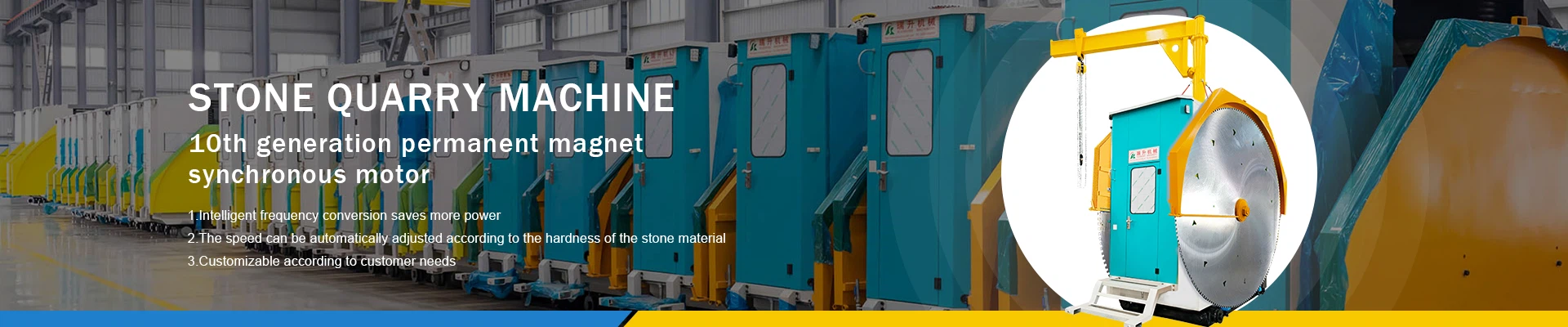
Grinding machine operation refers to the process of using a grinding machine to remove material from a workpiece to achieve desired dimensions, surface finish, and shape. This operation is critical in various manufacturing processes, especially where high precision and surface quality are required. Here's a detailed breakdown of what grinding machine operation involves:
Key Steps in Grinding Machine Operation
1.Preparation:
Machine Setup: Ensure the grinding machine is properly set up for the specific job. This includes installing the correct grinding wheel, setting the appropriate speed, and adjusting the feed rates.
Workpiece Preparation: Secure the workpiece in the machine using appropriate fixtures such as chucks, clamps, or magnetic chucks. Ensure the workpiece is properly aligned and centered.
2.Grinding Process:
Initial Pass: Start the grinding process with a light pass to remove any surface imperfections and establish a reference surface. This initial pass helps in achieving a uniform surface for subsequent grinding operations.
Material Removal: Gradually increase the depth of cut to remove material and bring the workpiece to the desired dimensions. Monitor the grinding process closely to ensure consistent material removal and avoid excessive heat generation.
Surface Finish: Adjust the grinding parameters to achieve the required surface finish. This may involve reducing the feed rate and using a finer grinding wheel.
2.Monitoring and Adjustment:
Continuous Monitoring: Regularly inspect the workpiece during the grinding process to ensure it meets the required dimensions and surface finish. Look for any signs of overheating, vibration, or unusual noises.
Adjustments: Make necessary adjustments to the machine settings, such as speed, feed rate, and depth of cut, based on the inspection results. Ensure the grinding wheel is properly dressed and trued to maintain its cutting efficiency.
3.Quality Control:
Inspection: Use precision measuring tools like micrometers, calipers, and gauges to inspect the workpiece dimensions. Ensure the surface finish meets the specified requirements.
Final Pass: Perform a final light pass to remove any remaining high spots and achieve the final surface finish.
4.Post-Operation:
Coolant and Cleaning: Turn off the coolant and clean the workpiece and machine. Remove any grinding swarf and debris from the machine.
Machine Maintenance: Perform routine maintenance tasks such as lubricating moving parts, checking for wear, and replacing any worn components.
Documentation: Record the machine settings, inspection results, and any adjustments made during the operation. This information is crucial for quality control and future reference.

Types of Grinding Operations
1.Surface Grinding:
Used to create flat and smooth surfaces on workpieces. The grinding wheel moves across the surface of the workpiece, removing material to achieve the desired flatness and surface finish.
2.Cylindrical Grinding:
Used to grind the outer or inner surfaces of cylindrical objects. The workpiece is rotated while the grinding wheel removes material to achieve precise dimensions and surface finish.
3.Centerless Grinding:
Used for grinding small cylindrical parts without the need for centers. The workpiece is supported by a rest blade and a regulating wheel, allowing for high production rates and precision.
4.Tool and Cutter Grinding:
Specialized for sharpening and manufacturing cutting tools such as drills, milling cutters, and reamers. These operations require precise control to achieve complex geometries and sharp cutting edges.
5.Internal Grinding:
Used for grinding the internal surfaces of holes in cylindrical components. The grinding wheel is small and fits inside the hole to achieve precise internal dimensions.
6.Belt Grinding:
Uses an abrasive belt to remove material and shape or finish surfaces. This operation is versatile and can be used for a variety of tasks, including deburring, polishing, and shaping.
Safety Considerations
Personal Protective Equipment (PPE):
Always wear appropriate PPE, including safety glasses, gloves, and ear protection, to protect against flying debris and noise.
Machine Guards:
Ensure all safety guards and protective devices are in place and functioning properly to prevent accidental contact with the grinding wheel.
Proper Training:
Operators should be properly trained and familiar with the machine's operation, safety protocols, and emergency procedures.
what is hand grinding machine
A hand grinding machine, often referred to as a handheld grinder or angle grinder, is a portable power tool used for grinding, cutting, and polishing various materials. These machines are highly versatile and commonly used in construction, automotive repair, metalworking, and general maintenance tasks. Here's a detailed overview of what a hand grinding machine is and how it works:
Key Features of Hand Grinding Machines
1.Portability:
Hand grinding machines are designed to be lightweight and portable, allowing users to carry them to different work sites and locations.
2.Versatility:
These machines can perform a variety of tasks, including grinding, cutting, sanding, and polishing. They are compatible with different types of grinding wheels and attachments for specific applications.
3.Power Source:
Hand grinding machines are typically powered by electricity (corded or cordless) or, in some cases, by compressed air (pneumatic grinders).
4.Speed Control:
Many models offer variable speed control, allowing users to adjust the speed of the grinding wheel according to the task at hand.
5.Safety Features:
Hand grinding machines are equipped with safety features such as guards to protect users from flying debris and sparks. They also often include side handles for better control and stability during operation.
Types of Hand Grinding Machines
1.Angle Grinder:
The most common type of hand grinding machine, angle grinders are designed with the grinding wheel positioned at a right angle to the motor. They are used for grinding, cutting, and polishing metal, stone, and other materials.
2.Straight Grinder:
Also known as die grinders, these machines have a straight barrel shape and are used for more precise and detailed work. They are often used for deburring, polishing, and small-scale grinding tasks.
3.Corded vs. Cordless:
Corded Grinders: These machines are connected to a power source via a cord and provide continuous power. They are suitable for tasks that require prolonged use.
Cordless Grinders: These machines operate on rechargeable batteries, offering greater mobility and convenience. They are ideal for tasks that require frequent movement or where a power outlet is not readily available.
Components of a Hand Grinding Machine
1.Motor:
The motor provides the power to rotate the grinding wheel. It can be electric, pneumatic, or battery-operated.
2.Grinding Wheel or Attachment:
The grinding wheel is the primary cutting or abrasive tool. It can be made from various materials such as aluminum oxide, silicon carbide, or diamond. Attachments like wire brushes, sanding discs, and cutting wheels are also used for different tasks.
3.Guard:
The guard protects the user from flying debris and sparks. It is an essential safety feature and should always be in place during operation.
4.Side Handle:
Many hand grinding machines come with a side handle that provides better control and stability, especially during heavy-duty tasks.
5.Power Switch and Speed Control:
The power switch controls the operation of the machine, and the speed control allows users to adjust the speed of the grinding wheel.
Applications of Hand Grinding Machines
1.Construction:
Used for cutting and grinding metal, stone, and concrete. Common tasks include cutting rebar, grinding welds, and smoothing concrete surfaces.
2.Automotive Repair:
Used for grinding and cutting metal parts, removing rust, and preparing surfaces for painting or coating.
2.Metalworking:
Used for shaping, cutting, and polishing metal components. Common tasks include deburring, grinding welds, and polishing metal surfaces.
3.General Maintenance:
Used for a variety of tasks such as removing paint, rust, and old coatings, as well as for polishing and finishing surfaces.
Safety Considerations
1.Personal Protective Equipment (PPE):
Always wear appropriate PPE, including safety glasses, gloves, and ear protection, to protect against flying debris and noise.
2.Proper Handling:
Hold the grinder firmly with both hands, especially when using a side handle. Ensure a secure grip to maintain control during operation.
3.Guard Usage:
Always use the guard provided with the grinder to protect against flying debris. Do not remove or modify the guard.
4.Proper Training:
Users should be properly trained and familiar with the machine's operation, safety protocols, and emergency procedures.
what is off hand grinding machine
An off-hand grinding machine is a type of grinding equipment where the workpiece is held by the operator's hand while it is brought into contact with the rotating grinding wheel. This method is also known as freehand grinding. It is commonly used for tasks such as stock removal, tool sharpening, and smoothing weld seams. Off-hand grinding is versatile and can be performed on various materials and parts without the need for precise fixtures or setups.
Applications
Tool Sharpening: Used to sharpen tools like chisels, lathe cutting tools, and drill bits.
Weld Grinding: Smoothing and finishing weld seams.
Stock Removal: Removing excess material from workpieces.
General Maintenance: Deburring and finishing various metal parts.
Safety Considerations
Safety Guards: Essential to protect the operator from flying debris and broken wheel pieces.
Proper Training: Operators should be trained to handle the machine safely and effectively.
Personal Protective Equipment (PPE): Wearing appropriate PPE, such as safety glasses and gloves, is crucial.
Types of Off-Hand Grinding Machines
Bench Grinders: Small, portable grinders mounted on workbenches, suitable for light-duty tasks.
Pedestal Grinders: Larger, floor-standing grinders with more power, suitable for heavier tasks.
Portable Grinders: Handheld, battery or corded electric grinders for on-site work.
what is required when using a cutting or grinding machine
When using a cutting or grinding machine, several key requirements and considerations must be met to ensure safety, efficiency, and the desired results. Here's a comprehensive list of what is required:
1. Safety Equipment
Personal Protective Equipment (PPE):
Safety Glasses or Goggles: Protect eyes from flying debris and sparks.
Ear Protection: Use earplugs or earmuffs to protect against loud noise.
Gloves: Use heavy-duty gloves to protect hands from sharp edges and hot surfaces.
Respiratory Protection: Use a dust mask or respirator to protect against inhalation of dust and fumes.
Safety Shoes: Wear sturdy, closed-toe shoes to protect feet from heavy objects and debris.
2. Machine Setup and Maintenance
Proper Setup:
Ensure the machine is securely mounted and stable.
Install the correct grinding or cutting wheel for the material being worked on.
Adjust the machine settings (speed, feed rate) according to the manufacturer's recommendations and the specific task.
Regular Maintenance:
Inspect the machine for any signs of wear or damage before use.
Lubricate moving parts as required.
Ensure all guards and safety devices are in place and functioning properly.
Clean the machine after use to remove debris and prevent buildup.
3. Workpiece Preparation
Secure Workpiece:
Use appropriate fixtures (chucks, clamps, magnetic chucks) to hold the workpiece securely in place.
Ensure the workpiece is properly aligned and centered to prevent uneven grinding or cutting.
4. Operational Procedures
Familiarity with Machine:
Operators should be well-trained and familiar with the machine's controls and safety features.
Follow the manufacturer's operating instructions and guidelines.
Monitoring the Process:
Continuously monitor the grinding or cutting process to ensure it runs smoothly.
Look for signs of overheating, vibration, or unusual noises.
Make necessary adjustments to the machine settings as needed.

5. Quality Control
Inspection:
Regularly inspect the workpiece during the process to ensure it meets the required dimensions and surface finish.
Use precision measuring tools (micrometers, calipers) to verify dimensions.
Adjustments:
Make adjustments to the machine settings (depth of cut, feed rate) based on inspection results to maintain quality.
6. Environmental Considerations
Ventilation:
Ensure the work area is well-ventilated to remove dust and fumes.
Use dust collection systems if available to minimize airborne particles.
Clean Workspace:
Keep the work area clean and free of clutter to prevent accidents.
Dispose of debris and swarf properly.
7. Emergency Preparedness
First Aid Kit:
Have a first aid kit readily available in case of injury.
Fire Safety:
Ensure fire extinguishers are available and accessible in case of fire.
8. Documentation and Record Keeping
Maintenance Logs:
Keep detailed records of machine maintenance and any repairs performed.
Operation Logs:
Document machine settings, inspection results, and any adjustments made during the operation.
9. Training and Certification
Operator Training:
Ensure operators are properly trained and certified to use the machine.
Provide regular training updates and refreshers to maintain safety and efficiency.
what is surface grinding machine
A surface grinding machine is a type of machine tool used to produce flat and smooth surfaces on various materials, typically metals, plastics, and composites. This process is achieved by using a rotating abrasive wheel to remove material from the workpiece, resulting in high precision and superior surface finish. Surface grinding machines are widely used in manufacturing industries for their ability to achieve tight tolerances and high-quality finishes.
Key Features of Surface Grinding Machines
1.Grinding Wheel:
The primary cutting tool, which consists of abrasive particles (such as aluminum oxide, silicon carbide, or diamond) bonded together. The choice of abrasive material depends on the workpiece material and the desired surface finish.
2.Machine Bed:
Provides the structural support for the grinder and absorbs vibrations during the grinding process. The bed must be rigid and stable to ensure precision.
3.Wheel Head:
Holds the grinding wheel and manages its positioning and rotation. It can be moved up or down using a vertical feed handwheel to adjust the depth of cut.
4.Worktable:
Supports the workpiece and allows it to move relative to the grinding wheel. The worktable can move in multiple directions (typically X, Y, and sometimes Z axes) to position the workpiece under the grinding wheel. It can be manually adjusted or controlled by CNC systems.
5.Magnetic Chuck:
Often used to hold ferrous workpieces securely in place during the grinding process. Non-ferrous materials may require other clamping methods.
6.Coolant System:
Essential for removing heat generated during grinding, preventing thermal damage to the workpiece and extending the life of the grinding wheel. Coolant is typically sprayed onto the grinding area.
7.Control Panel:
Allows the operator to adjust various parameters, such as speed, feed rate, and depth of cut. CNC surface grinders have advanced control systems that enable precise and automated grinding operations.

Types of Surface Grinding Machines
1.Manual Surface Grinder:
Operated manually, with the operator controlling the movement of the worktable and the depth of cut. Suitable for small-scale operations and prototyping.
2.Hydraulic Surface Grinder:
Uses hydraulic systems to control the movement of the worktable and the grinding wheel. Provides smoother and more consistent grinding compared to manual machines.
3.CNC Surface Grinder:
Controlled by a computer numerical control (CNC) system, which automates the grinding process. CNC grinders offer high precision, repeatability, and the ability to handle complex shapes and patterns.
what is the function of a grinding machine
The function of a grinding machine is to remove material from a workpiece to achieve precise dimensions, surface finish, and shape. Grinding machines are essential tools in various manufacturing processes, particularly where high precision and surface quality are required. Here's a detailed look at the primary functions of grinding machines:
1. Material Removal
Precision Machining: Grinding machines are used to remove material from workpieces with high precision. They can achieve very tight tolerances, often in the range of micrometers (µm), making them ideal for manufacturing high-precision components.
Surface Finishing: Grinding machines can produce surfaces with very low roughness values, ensuring high-quality finishes. This is crucial in applications where surface finish affects the performance, appearance, or functionality of the part.
2. Surface Preparation
Smoothing and Polishing: Grinding machines are used to smooth and polish surfaces, removing imperfections and achieving a uniform finish. This is particularly important in industries like automotive, aerospace, and medical device manufacturing.
Deburring: Grinding machines can remove burrs and sharp edges from machined parts, ensuring smooth and safe handling. This is a common application in general machining and maintenance operations.
3. Shape and Forming
Complex Geometries: Grinding machines, especially CNC grinders, can create complex shapes and profiles. They are used to grind intricate geometries required for tools, dies, and molds.
Internal and External Grinding: Grinding machines can be used to grind both internal and external surfaces of cylindrical parts. This includes tasks like grinding the inside diameter (ID) of holes and the outside diameter (OD) of shafts.

4. Tool and Cutter Sharpening
Sharpening Cutting Tools: Grinding machines are used to sharpen and maintain cutting tools such as drills, milling cutters, and reamers. This ensures that tools remain sharp and efficient, extending their lifespan and improving machining performance.
Tool Manufacturing: In the tool and die industry, grinding machines are used to manufacture cutting tools with precise geometries and sharp cutting edges.
5. Heat Treatment and Surface Hardening
Surface Hardening: The grinding process can induce surface hardening, improving the wear resistance and durability of parts. This is particularly useful for components that are subjected to high wear and tear.
Stress Relief: Grinding can be used to relieve residual stresses in workpieces, reducing the risk of cracking and improving overall part integrity.
6. Reconditioning and Repair
Restoring Worn Parts: Grinding machines can be used to recondition worn or damaged parts, restoring them to their original dimensions and surface finish. This is common in maintenance and repair operations for machinery and equipment.
Edge Preparation: Grinding machines can prepare edges and surfaces for further processing, such as welding or coating.
7. Quality Control and Inspection
Inspection and Measurement: Grinding machines can be used to prepare surfaces for inspection and measurement, ensuring that parts meet the required specifications and tolerances.
Consistency and Repeatability: CNC grinding machines, in particular, ensure consistent and repeatable results, reducing the risk of human error and improving overall quality control.
Applications Across Industries
Automotive Industry: Used for grinding engine components, transmission parts, and other critical automotive parts.
Aerospace Industry: Used for manufacturing high-precision components like turbine blades, engine parts, and landing gear.
Medical Device Manufacturing: Used for producing precision instruments, implants, and other medical devices.
Tool and Die Making: Used to create and maintain cutting tools and dies with high precision.
General Machining: Used for maintaining and sharpening cutting tools, as well as for general material removal and surface finishing tasks.


