

The part of a drill that holds the drill bit is called the chuck. The chuck is a crucial component of the drill, as it securely holds the drill bit in place and allows it to rotate. There are several types of chucks, each designed for different types of drills and applications. Here's a detailed look at the most common types of chucks:
1. Keyed Chuck
Description: A keyed chuck requires a chuck key to tighten or loosen the bit.
Usage: Commonly found on older drills and some heavy-duty drills.
Pros: Provides a secure grip on the bit.
Cons: Requires a chuck key, which can be lost or misplaced.
2. Keyless Chuck
Description: A keyless chuck can be tightened or loosened by hand without the need for a key.
Usage: Widely used in modern drills for their convenience.
Pros: Easy to use and change bits quickly.
Cons: May not be as secure as a keyed chuck for very heavy-duty applications.
3. Quick-Change Chuck
Description: A quick-change chuck allows for rapid bit changes with the press of a button or lever.
Usage: Ideal for drills that require frequent bit changes, such as impact drivers.
Pros: Extremely fast and convenient for changing bits.
Cons: Typically more expensive and may not be as versatile for all types of bits.
4. SDS Chuck
Description: SDS (Special Direct System) chucks are designed for hammer drills and rotary hammers. They have a special shank design that allows for quick bit changes and better performance in hammering applications.
Usage: Commonly used in construction and masonry work.
Pros: Provides excellent performance for drilling into concrete, brick, and stone.
Cons: Limited to specific types of bits and drills.
How to Use a Chuck
Unplug the Drill: Always unplug the drill or remove the battery to prevent accidental activation.
Loosen the Chuck: For a keyed chuck, insert the key and turn it counterclockwise. For a keyless chuck, turn the collar counterclockwise. For a quick-change chuck, press the release button.
Insert the Drill Bit: Place the drill bit into the chuck, ensuring it is centered and aligned properly.
Tighten the Chuck: For a keyed chuck, turn the key clockwise. For a keyless chuck, turn the collar clockwise. For a quick-change chuck, release the button and ensure the bit is securely held.
Test the Bit: Plug in the drill or insert the battery, and give it a quick test to ensure the bit is spinning properly and not wobbling.
what is flute in drill bit
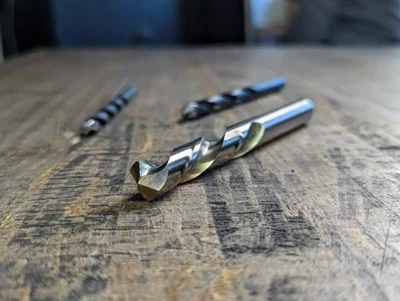
The flutes on a drill bit are the spiral or helical grooves that run along the length of the bit. They serve several important functions:
Key Functions of Flutes
1.Chip Removal:
Efficient Debris Removal: The primary function of flutes is to remove chips and debris from the hole as the bit drills. This helps prevent the bit from getting clogged, which can reduce drilling efficiency and potentially damage the bit or the material being drilled.
Smooth Drilling: By removing debris, flutes ensure a smoother drilling process, reducing friction and heat buildup.
2.Cooling:
Heat Dissipation: Flutes help dissipate heat generated during drilling. By channeling away debris and allowing air or coolant to reach the cutting edges, they help keep the bit and the material cooler.
Extended Bit Life: Proper heat management extends the lifespan of the drill bit and maintains its cutting efficiency.
3.Material Guidance:
Guiding the Bit: The flutes help guide the bit as it drills, ensuring a straight and accurate hole. This is particularly important for applications requiring precision, such as woodworking or metalworking.
Reduced Bit Wobble: Properly designed flutes can help reduce bit wobble, resulting in cleaner and more precise holes.
Types of Flutes
1.Twist Flutes:
General-Purpose: These are the most common type of flutes found on twist drill bits. They are suitable for drilling into wood, metal, and plastic.
Spiral Design: The spiral shape helps in efficient chip removal and cooling.
2.Straight Flutes:
Specialized Use: Straight flutes are less common and are typically used for specific applications, such as reaming or countersinking.
Direct Chip Removal: They remove chips directly from the hole without the spiral action of twist flutes.
3.Variable Flutes:
Enhanced Performance: Some drill bits feature variable flutes, which have different flute lengths and angles. This design can improve chip removal and reduce heat buildup.
Versatility: Variable flutes are often found on high-performance bits designed for heavy-duty applications.
Importance of Flute Design
Material Compatibility: The design of the flutes can be optimized for specific materials. For example, bits designed for drilling through hard metals may have more aggressive flutes to handle the increased heat and wear.
Drilling Efficiency: Proper flute design ensures efficient drilling, reducing the time and effort required to create holes.
Bit Longevity: Efficient chip removal and heat dissipation help extend the life of the drill bit, reducing the need for frequent replacements.
what is flute length of drill bit
The flute length of a drill bit is the distance from the cutting tip to where the flutes taper off. This measurement is crucial for determining the maximum depth of drilling. For example, a jobber length drill bit, which is a general-purpose twist drill bit, typically has a flute length that is between nine and fourteen times the diameter of the drill. This length allows for a good balance between strength and reach, making it suitable for most general-purpose applications.
what is the best brand of drill bits
When it comes to the best drill bit brands, several manufacturers stand out for their quality, durability, and performance. Here are some of the top brands recommended by professionals and DIY enthusiasts alike:
1. DeWalt
Brand Name: DeWalt
Category: Drill Bits
Model/Style: Various, including HSS, cobalt, and carbide bits
Description: DeWalt is known for its high-quality tools and accessories. Their drill bits are made from durable materials like high-speed steel (HSS) and cobalt, ensuring they can handle tough materials and last longer.
2. Milwaukee
Brand Name: Milwaukee
Category: Drill Bits
Model/Style: Various, including HSS, cobalt, and carbide bits
Description: Milwaukee offers a wide range of drill bits designed for durability and precision. Their bits are suitable for a variety of materials and applications.
3. Bosch
Brand Name: Bosch
Category: Drill Bits
Model/Style: Various, including HSS, cobalt, and carbide bits
Description: Bosch is a trusted name in the tool industry. Their drill bits are known for their precision and durability, making them suitable for both professional and DIY projects.
4. Irwin
Brand Name: Irwin
Category: Drill Bits
Model/Style: Various, including HSS, cobalt, and carbide bits
Description: Irwin offers a comprehensive range of drill bits that are designed to be durable and efficient. Their bits are suitable for a variety of materials and applications.
5. Titan
Brand Name: Titan
Category: Drill Bits
Model/Style: Various, including HSS, cobalt, and carbide bits
Description: Titan is known for its high-quality drill bits that offer excellent performance and durability. Their bits are suitable for a variety of materials and applications.
what is the best drill bit for granite
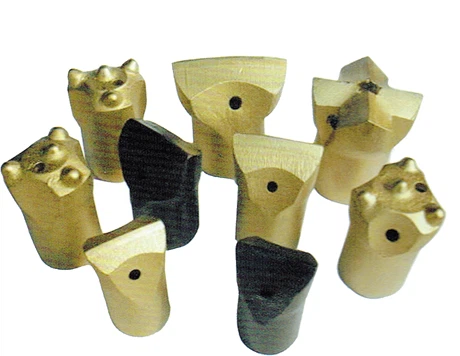
When drilling into granite, it's essential to use the right type of drill bit to ensure precision and prevent damage to the material. Here are some of the best drill bits for granite, based on expert recommendations and user reviews:
Best Drill Bits for Granite
1.Drilax 10 Pieces Set Diamond Drill Bit
Material: Artificial diamond and steel body.
Features: Suitable for drilling through quartz, granite, ceramics, porcelain, glass, tiles, marble, and many types of stones.
Pros: Can drill through thick material effortlessly, offers the easiest and fastest way to bore holes through granite, great for professionals and hobbyists alike.
Cons: Some users have complained that the instructions are vague.
2.Bosch HCBG700 7-Piece Drill Masonry Bit Set
Material: Carbide.
Features: Suitable for concrete, stone, block, and masonry.
Pros: Carbide tip prevents pressure and cracking, ensuring longevity and precision drilling.
Cons: Some users have reported that the bits do not function as expected on stone and masonry.
3.BGTEC Drill Bit Set
Material: Artificial diamond and steel body.
Features: Suitable for granite & marble, masonry, concrete, tile/ceramic, glass, hard plastic, all-purpose drilling.
Pros: Wax insides provide lubrication and cooling, vacuum brazed diamond technology for efficiency and durability.
Cons: Some users have reported that the tips wear down after several uses.
4.Shdiatool 6pcs Drill Bits Set
Material: Artificial diamond and steel body.
Features: Suitable for porcelain tile, granite, marble, stone, masonry, brick.
Pros: Dense wax inside the drill bit cools it during drilling, vacuum brazed technology for durability and precision.
Cons: Some users have reported that the diamond coating does not cover the entire tip.
5.Sunjoyco 30pcs Diamond Drill Bits
Material: Steel + Diamond Sand.
Features: Suitable for glass, ceramics, porcelain, ceramic tile, porcelain tile, limestone, slate, marble, granite, light stone, and fiberglass.
Pros: Nickel-plated and industrial-grade carbon steel build for longevity and corrosion resistance.
Cons: Tends to overheat with prolonged use.
Tips for Drilling into Granite
Use a Diamond Drill Bit: Diamond bits are the best choice for drilling into granite due to their hardness and durability.
Apply Cutting Oil: Dip the diamond tip in cutting oil to keep the drill cool and lubricated.
Start Slow: Begin drilling at a low speed to prevent the bit from slipping and to ensure a clean hole.
Clear Debris: Periodically withdraw the bit to clear out chips and debris, especially when drilling deep holes.
what is the best drill bit for marble
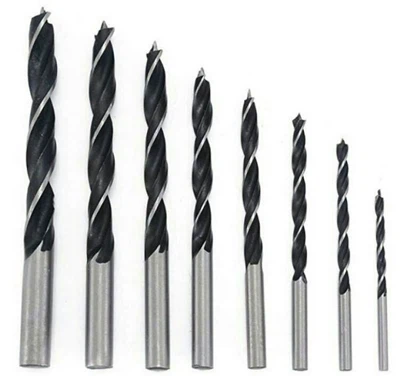
For drilling marble, the best drill bits are those tipped with diamond or carbide.These materials are chosen for their hardness and durability, allowing them to cut through marble without chipping or cracking the surface.
Diamond-Tipped Drill Bits
Material: Diamond
Features: Diamond-tipped bits are highly effective for drilling through hard materials like marble. They offer precision cutting and long-lasting performance.
Pros: Superior hardness and durability, reduced risk of chipping or cracking marble.
Cons: More expensive than carbide bits.
Carbide-Tipped Drill Bits
Material: Tungsten Carbide
Features: Carbide bits are also effective for drilling marble and are more affordable than diamond bits.
Pros: Good durability and performance, suitable for a variety of applications.
Cons: May not be as durable as diamond bits.
Tips for Drilling Marble
Use a Slow Speed: Drilling marble requires a slow speed to prevent the bit from overheating and to ensure clean, precise holes.
Apply Light Pressure: Use gentle, consistent pressure to avoid chipping the marble.
Cool the Bit: Periodically dip the bit in water or use a cooling spray to prevent overheating.
Secure the Material: Clamp the marble securely to prevent it from moving while drilling.
what is the best drill bit for rock
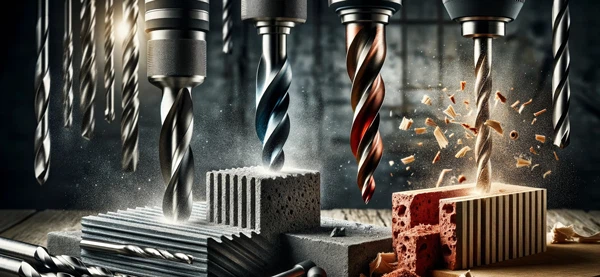
To drill through rock, you need specialized drill bits designed for this hard and abrasive material. Here are some of the best options:
Best Drill Bits for Rock
1.DEWALT DW5403 Rock Carbide SDS+ Bits
Material: Carbide
Features: 3/16" diameter, 4-1/2" usable length, 6-1" overall length.
Pros: Ideal for drilling through concrete, brick, and other masonry materials with precision and durability.
2.DEWALT DW5417B25 Rock Carbide SDS+ Hammer Bit
Material: Carbide
Features: 1/4" diameter, 4" usable length, 6" overall length.
Pros: Suitable for drilling through concrete and masonry with an SDS+ hammer drill.
3.BOSCH HC2167 Bulldog SDS-Plus Rotary Hammer Bit
Material: Carbide
Features: 1" diameter, 16" usable length, 18" overall length.
Pros: Ideal for drilling into concrete and masonry surfaces using a rotary hammer drill.
4.DEWALT DW5468 SDS+ Hammer Bit
Material: Carbide
Features: 1-1/8" diameter, 8" usable length, 10" overall length.
Pros: Suitable for drilling through concrete, masonry, and other hard materials with precision and efficiency.
5.DEWALT DW5440 SDS+ Hammer Bit
Material: Carbide
Features: 1/2" diameter, 16" usable length, 18" overall length.
Pros: Ideal for drilling through tough materials such as concrete, masonry, and stone.
6.DEWALT DW5427B25 Rock Carbide SDS+ Hammer Bit
Material: Carbide
Features: 3/8" diameter, 4" usable length, 6" overall length.
Pros: Suitable for drilling into concrete and masonry with rotary hammer drills equipped with SDS+ chucks.
7.DEWALT DW5446 SDS+ Hammer Bit
Material: Carbide
Features: 5/8" diameter.
Pros: Ideal for hammer drilling into concrete, masonry, and other tough materials.
8.DEWALT DW5482 4 Cutter SDS+ Hammer Bit
Material: Carbide
Features: 1-1/8" diameter, 16" usable length, 18" overall length.
Pros: Ideal for drilling through tough materials quickly and efficiently, such as concrete and masonry.
9.DEWALT DW5461 SDS+ Hammer Bit
Material: Carbide
Features: 7/8" diameter, 10" usable length, 12" overall length.
Pros: Ideal for drilling into concrete, brick, and other masonry surfaces using a rotary hammer drill.
10.DEWALT DW5470 SDS+ Hammer Bit Set
Material: Carbide
Features: 5-piece set.
Pros: Ideal for drilling concrete and masonry surfaces with ease, precision, and without breaking the tip.
what is the best drill bit for stone
For drilling stone, the best drill bits are typically those made from diamond or carbide. These materials are chosen for their hardness and durability, allowing them to cut through stone without chipping or cracking the surface.
Diamond-Tipped Drill Bits
Material: Diamond
Features: Diamond-tipped bits are highly effective for drilling through hard materials like stone. They offer precision cutting and long-lasting performance.
Pros: Superior hardness and durability, reduced risk of chipping or cracking stone.
Cons: More expensive than carbide bits.
Carbide-Tipped Drill Bits
Material: Tungsten Carbide
Features: Carbide bits are also effective for drilling stone and are more affordable than diamond bits.
Pros: Good durability and performance, suitable for a variety of applications.
Cons: May not be as durable as diamond bits.

Tips for Drilling Stone
Use a Slow Speed: Drilling stone requires a slow speed to prevent the bit from overheating and to ensure clean, precise holes.
Apply Light Pressure: Use gentle, consistent pressure to avoid chipping the stone.
Cool the Bit: Periodically dip the bit in water or use a cooling spray to prevent overheating.
Secure the Material: Clamp the stone securely to prevent it from moving while drilling.
what is the best type of drill bit
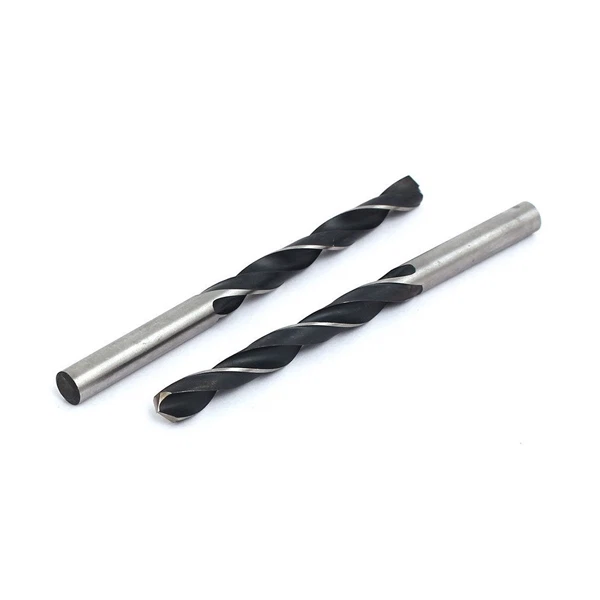
The best type of drill bit depends on the material you are working with and the specific task at hand. Here's a detailed guide on the best drill bits for different materials:
For Hard Materials Like Granite and Concrete
Carbide-Tipped Drill Bits: These bits are extremely hard and durable, making them ideal for drilling into granite, concrete, and other hard materials.
Diamond Drill Bits: Known for their hardness and precision, diamond bits are excellent for drilling into granite and other tough materials.
For Metals Like Stainless Steel and Hardened Steel
Cobalt Drill Bits: These bits are designed to handle harder metals like stainless steel and hardened steel. They offer better heat resistance and durability compared to standard HSS bits.
Titanium-Coated Drill Bits: These bits have a titanium nitride coating that enhances durability and reduces friction, making them suitable for drilling into hard metals.
For General-Purpose Drilling in Wood, Plastic, and Soft Metals
High-Speed Steel (HSS) Drill Bits: HSS bits are versatile and suitable for general-purpose drilling in wood, plastic, and soft metals like aluminum.
Titanium-Coated HSS Bits: These bits offer enhanced durability and reduced friction, making them suitable for a wide range of materials.
For Masonry Work (Brick, Stone, Concrete)
Carbide-Tipped Masonry Bits: These bits are designed specifically for drilling into masonry materials and offer excellent durability and performance.
For Glass and Ceramics
Diamond Drill Bits: Diamond bits are ideal for drilling into glass, ceramics, and other brittle materials due to their hardness and precision.
Tips for Choosing the Right Drill Bit
Material Compatibility: Always choose a drill bit that is compatible with the material you are drilling into.
Bit Size and Length: Ensure the bit size matches the hole you need to drill and that the bit is long enough for your specific task.
Coatings: Consider drill bits with coatings like titanium nitride or black oxide for added durability and reduced friction.
Quality: Invest in high-quality drill bits from reputable brands to ensure better performance and longevity.
what is the drill bit
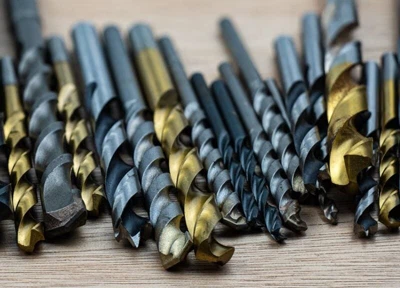
A drill bit is a cutting tool used to create holes in various materials. It is designed to be attached to a drill, which provides the rotational and sometimes hammering action needed to penetrate the material. Drill bits come in a wide range of sizes, types, and materials to suit different applications and materials.
Key Features of Drill Bits
1.Material:
High-Speed Steel (HSS): Suitable for general-purpose drilling in wood, metal, and plastic.
Carbide: Extremely hard and durable, ideal for drilling into very hard materials like concrete, brick, and stone.
Diamond-Coated: Used for drilling into glass, ceramic, and other hard, brittle materials.
2.Design:
Flutes: The spiral grooves along the length of the drill bit that help remove material from the hole.
Cutting Edges: The sharp parts at the tip of the drill bit that actually cut into the material.
Point: The very tip of the drill bit, which helps to start the hole and guide the bit into the material.
3.Types:
Twist Drill Bits: General-purpose bits with spiral flutes.
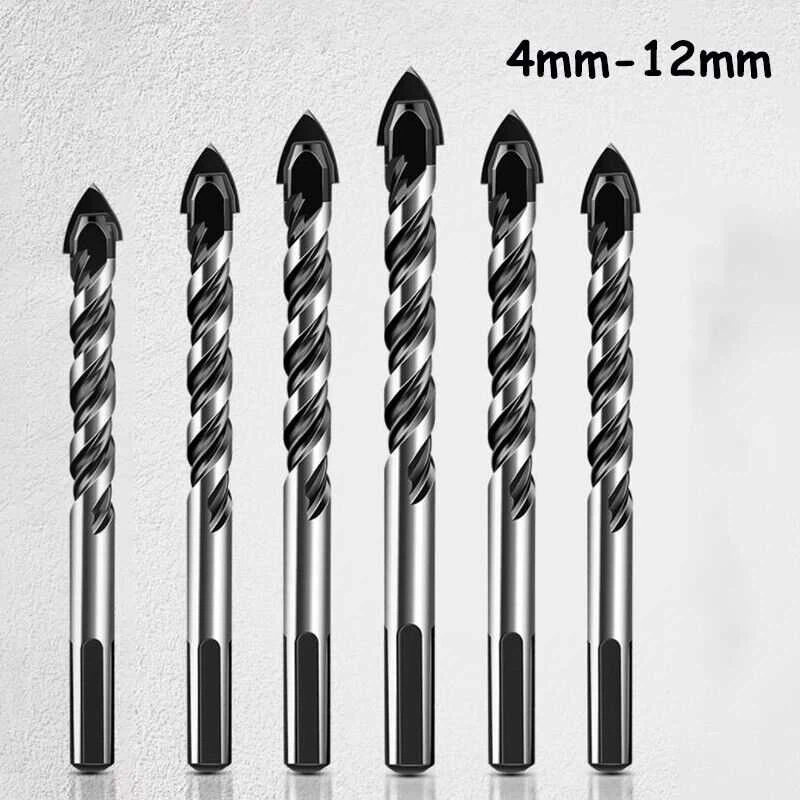
Masonry Drill Bits: Carbide-tipped bits for drilling into concrete, brick, and stone.
Forstner Drill Bits: Flat-bottomed bits for precise holes in wood.
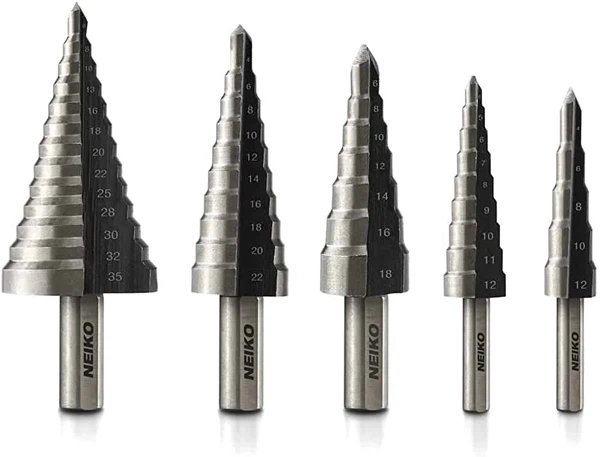
Step Drill Bits: Bits with multiple steps for drilling holes of different diameters.
Countersink Drill Bits: Bits with a conical shape for countersinking flat-head screws.
Uses of Drill Bits
Wood: For creating holes for screws, dowels, and other joinery.
Metal: For drilling holes for bolts, screws, and dowels in metal components.
Plastic: For drilling holes in plastic materials.
Masonry: For drilling holes in concrete, brick, and stone for mounting fixtures or other applications.
How to Choose the Right Drill Bit
Identify the Material: Different materials require different types of drill bits.
Determine the Purpose: Consider the size and type of hole you need.
Consult a Drill Bit Size Chart: Ensure the bit size matches your specific task.
Check the Tool Specifications: If you are drilling for a specific tool or hardware, check the manufacturer's recommendations for the correct drill bit size.
what is the flute of a drill bit
The flute of a drill bit is the spiral or helical groove that runs along the length of the bit. These flutes serve several important functions:
Key Functions of Flutes
1.Chip Removal:
Efficient Debris Removal: The primary function of flutes is to remove chips and debris from the hole as the bit drills. This helps prevent the bit from getting clogged, which can reduce drilling efficiency and potentially damage the bit or the material being drilled.
Smooth Drilling: By removing debris, flutes ensure a smoother drilling process, reducing friction and heat buildup.
2.Cooling:
Heat Dissipation: Flutes help dissipate heat generated during drilling. By channeling away debris and allowing air or coolant to reach the cutting edges, they help keep the bit and the material cooler.
Extended Bit Life: Proper heat management extends the lifespan of the drill bit and maintains its cutting efficiency.
3.Material Guidance:
Guiding the Bit: The flutes help guide the bit as it drills, ensuring a straight and accurate hole. This is particularly important for applications requiring precision, such as woodworking or metalworking.
Reduced Bit Wobble: Properly designed flutes can help reduce bit wobble, resulting in cleaner and more precise holes.
Types of Flutes
1.Twist Flutes:
General-Purpose: These are the most common type of flutes found on twist drill bits. They are suitable for drilling into wood, metal, and plastic.
Spiral Design: The spiral shape helps in efficient chip removal and cooling.
2.Straight Flutes:
Specialized Use: Straight flutes are less common and are typically used for specific applications, such as reaming or countersinking.
Direct Chip Removal: They remove chips directly from the hole without the spiral action of twist flutes.
3.Variable Flutes:
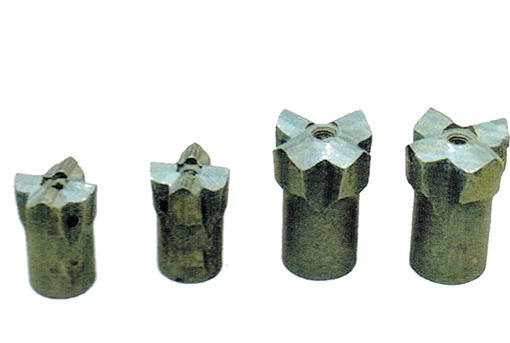
Enhanced Performance: Some drill bits feature variable flutes, which have different flute lengths and angles. This design can improve chip removal and reduce heat buildup.
Versatility: Variable flutes are often found on high-performance bits designed for heavy-duty applications.
Importance of Flute Design
Material Compatibility: The design of the flutes can be optimized for specific materials. For example, bits designed for drilling through hard metals may have more aggressive flutes to handle the increased heat and wear.
Drilling Efficiency: Proper flute design ensures efficient drilling, reducing the time and effort required to create holes.
Bit Longevity: Efficient chip removal and heat dissipation help extend the life of the drill bit, reducing the need for frequent replacements.


