


Drill bits are essential tools used for creating holes in various materials. Their primary function is to penetrate and remove material to form precise openings. Here's a detailed look at the main uses for drill bits:
Main Uses of Drill Bits
1.Creating Holes:
General Drilling: Drill bits are used to create holes in materials such as wood, metal, plastic, concrete, and stone.
Pilot Holes: For screws or dowels, drill bits create pilot holes to prevent the material from splitting or cracking.
2.Material Removal:
Woodworking: Used to drill holes for screws, dowels, or other fasteners.
Metalworking: Used to create holes for bolts, pins, or other metal fasteners.
Masonry Work: Used to drill holes for anchors, rebar, or other fixtures in concrete, brick, and stone.
3.Precision Work:
Woodworking: Brad point bits and Forstner bits are used for precise and clean holes in wood.
Metalworking: High-speed steel (HSS) and cobalt bits are used for drilling precise holes in metals.
Glass and Tile: Diamond-tipped bits are used for drilling precise holes in glass, ceramic, and porcelain tiles.
4.Specialized Tasks:
Countersinking: Used to create conical holes for countersunk screws.
Reaming: Used to enlarge or smooth existing holes.
Tapping: Used to create threads in holes for screws or bolts.
Types of Drill Bits and Their Uses
1.Twist Drill Bits:
General-Purpose: Suitable for drilling holes in wood, metal, and plastic.
Features: Spiral flutes that help remove chips and guide the bit.
2.Brad Point Drill Bits:
Woodworking: Ideal for creating precise holes in wood.
Features: Sharp, pointed tip with spurs that create clean, smooth holes.
3.Masonry Drill Bits:
Concrete and Brick: Designed for drilling into hard materials like concrete, brick, and stone.
Features: Carbide tips for durability and wear resistance.
4.Tile and Glass Drill Bits:
Ceramic and Glass: Used for drilling holes in ceramic tiles, porcelain, glass, and other brittle materials.
Features: Diamond tips for precision and durability.
5.Auger Bits:
Wood: Used for drilling deep, clean holes in wood.
Features: Spiral flutes and a wide cutting edge that efficiently remove wood chips.
6.Forstner Bits:
Wood: Ideal for creating wide, flat-bottomed holes in wood.
Features: Circular cutting edges that create clean, precise holes.
7.Hole Saws:
Wood, Metal, and Plastic: Used for cutting large-diameter holes.
Features: Cylindrical saw blades with teeth around the circumference.
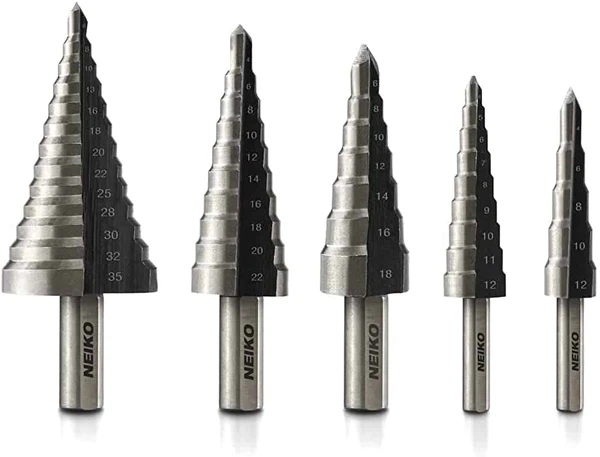
Tips for Using Drill Bits
Choose the Right Bit: Select a drill bit that matches the material you are drilling into and the size of the hole you need.
Secure the Material: Clamp or secure the material to prevent it from moving during drilling.
Use Lubricant: For metal drilling, use cutting fluid to reduce friction and heat.
Regular Maintenance: Keep your drill bits clean and sharp to ensure optimal performance and longevity.
what is the hardest drill bit made
The hardest drill bits are typically made from materials like tungsten carbide or diamond. These materials are extremely durable and can handle the toughest drilling tasks, such as drilling through granite, concrete, and other hard materials.
what is the longest drill bit
The longest drill bit in practical applications can vary depending on the specific requirements of the project. However, one notable example is the diamond-tipped drill bit used in the construction of the Yeba Dam in China. This drill bit, developed by Guilin Diamond Industrial Co., Ltd., successfully drilled a core sample of 38.10 meters in length, setting a new world record.
what is the most common drill bit
The most common type of drill bit is the twist drill bit. These bits are versatile and suitable for a wide range of applications, making them a staple in many toolboxes. Here's why twist drill bits are so widely used:
Key Features of Twist Drill Bits
Material: Typically made from high-speed steel (HSS), which offers a good balance of hardness, durability, and heat resistance.
Design: Characterized by their helical flutes (spiral grooves) that help remove material as the bit rotates.
Versatility: Suitable for drilling into wood, metal, and plastic, making them ideal for general-purpose use.
Common Sizes
Twist drill bits come in a wide range of sizes to suit various tasks. Common fractional sizes include 1/16 inch, 1/8 inch, 3/16 inch, and 1/4 inch. They are also available in decimal sizes (e.g., 0.0135 inch, 0.019 inch) and metric sizes (e.g., 1.0 mm, 1.5 mm).
Applications
Woodworking: Creating holes for screws, dowels, and other joinery.
Metalworking: Drilling holes for bolts, screws, and dowels in metal components.
Plastic Fabrication: Drilling holes in plastic materials.
Why Twist Drill Bits are Common
Versatility: Suitable for a variety of materials and tasks.
Availability: Widely available in hardware stores and online.
Cost-Effectiveness: Generally affordable and offer good performance for the price.
Durability: HSS bits are durable and can withstand moderate wear and tear.
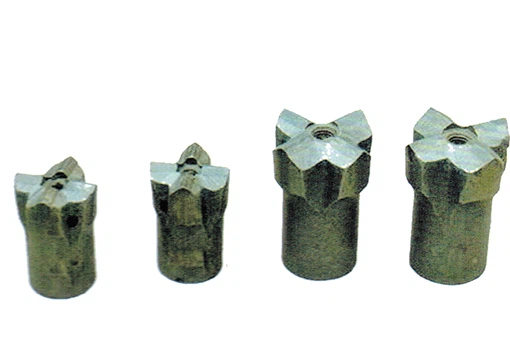
Tips for Using Twist Drill Bits
Match the Bit to the Material: Ensure the bit material is suitable for the material you are drilling (e.g., HSS for wood and soft metals).
Use the Right Size: Select the appropriate size drill bit for your specific task.
Maintain the Bit: Keep your drill bits clean and sharp to ensure optimal performance and longevity.
what is the name of the drill bit
The name of a drill bit typically includes information about its type, material, size, and specific features. Here's a breakdown of how to identify and name different types of drill bits:
Common Types of Drill Bits and Their Names
1.Twist Drill Bits
Material: High-Speed Steel (HSS), Cobalt, or Carbide.
Features: Spiral flutes for chip removal.
Uses: General-purpose drilling in wood, metal, and plastic.
Example Name: "High-Speed Steel Twist Drill Bit, 1/4 inch, 6 inches long"
2.Brad Point Drill Bits
Material: High-Speed Steel (HSS).
Features: Sharp point with spurs for precise holes.
Uses: Woodworking.
Example Name: "Brad Point Drill Bit, 3/16 inch, 3 inches long"
3.Masonry Drill Bits
Material: Carbide-tipped steel.
Features: Carbide tips for durability in hard materials.
Uses: Drilling into concrete, brick, and stone.
Example Name: "Carbide-Tipped Masonry Drill Bit, 1/2 inch, 8 inches long"
4.Tile and Glass Drill Bits
Material: Diamond-tipped.
Features: Diamond tips for precision and durability.
Uses: Drilling holes in ceramic tiles, porcelain, glass, and other brittle materials.
Example Name: "Diamond-Tipped Tile Drill Bit, 1/8 inch, 2 inches long"
5.Auger Bits
Material: Steel.
Features: Spiral flutes and a wide cutting edge for removing wood chips.
Uses: Drilling deep holes in wood.
Example Name: "Auger Drill Bit, 1/4 inch, 12 inches long"
6.Forstner Bits
Material: Steel.
Features: Flat-bottomed with sharp cutting edges.
Uses: Creating wide, flat-bottomed holes in wood.
Example Name: "Forstner Drill Bit, 1 inch, 2 inches long"
7.Hole Saws
Material: Steel or carbide-tipped.
Features: Cylindrical saw blades with teeth around the circumference.
Uses: Cutting large-diameter holes in wood, metal, and plastic.
Example Name: "Hole Saw Drill Bit, 2 inches, 3 inches long"
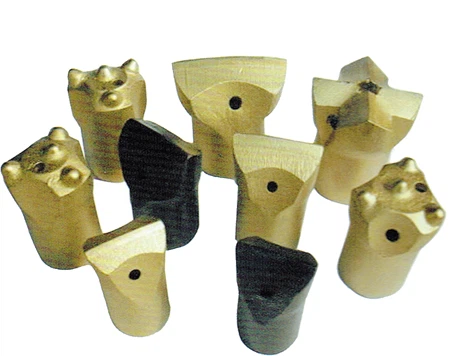
Naming Conventions
Material: Indicates the material the bit is made from (e.g., HSS, Carbide).
Size: Specifies the diameter of the bit (e.g., 1/4 inch, 3/8 inch).
Length: Indicates the overall length of the bit (e.g., 6 inches, 12 inches).
Features: Describes any special features, such as carbide tips or diamond coating.
Example Names
"Cobalt Twist Drill Bit, 1/8 inch, 4 inches long"
"Carbide-Tipped Masonry Drill Bit, 3/16 inch, 6 inches long"
"Diamond-Tipped Glass Drill Bit, 1/16 inch, 2 inches long"
what is the shank of a drill bit
The shank of a drill bit is the part that fits into the chuck of the drill. It provides the connection between the drill and the bit, ensuring the bit is securely held and can be rotated by the drill. The shank is crucial for transferring the rotational force from the drill to the bit, allowing it to cut through the material.
Key Features of the Shank
1.Material: Typically made from the same material as the rest of the drill bit, such as high-speed steel (HSS) or carbide.
2.Design: The shank is designed to fit snugly into the chuck of the drill. It can have different shapes and sizes depending on the type of chuck and the specific application.
3.Types:
Round Shank: Commonly used in standard drills.
Hex Shank: Often used in impact drivers for better grip and stability.
Taper Shank: Used in some heavy-duty applications for a more secure fit.
Importance of the Shank
Secure Fit: Ensures the bit is held firmly in the chuck, preventing slippage during drilling.
Torque Transfer: Transfers the rotational force from the drill to the bit efficiently.
Compatibility: The shank must be compatible with the chuck of the drill to ensure proper function.
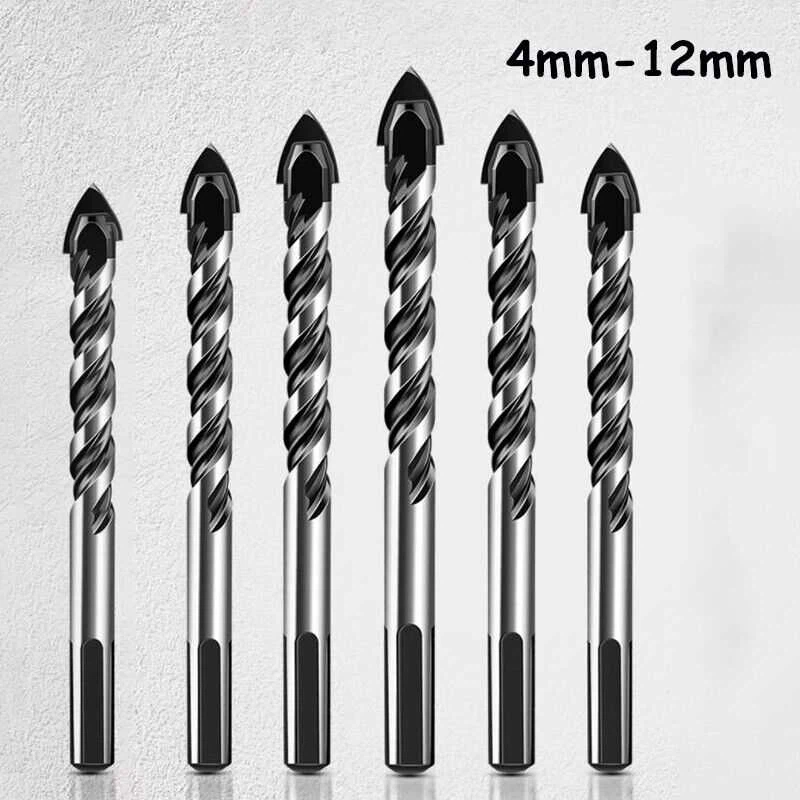
Tips for Using the Shank
Inspect the Shank: Regularly check the shank for any signs of wear or damage. A damaged shank can affect the performance and safety of the drill.
Clean the Shank: Keep the shank clean to ensure a secure fit in the chuck.
Match the Shank to the Chuck: Ensure the shank type matches the chuck type of your drill for optimal performance.
what is the smallest drill bit
The smallest drill bits are typically used for precision work and can be as small as 1/16 inch (1.588 mm) in diameter. These bits are often made from high-speed steel (HSS) or carbide and are suitable for drilling small holes in materials like wood, metal, and plastic. For even smaller applications, specialized micro drill bits can be as small as 0.001 inch (0.0254 mm) in diameter, though these are less common and typically used in specialized industrial applications.
what is the strongest drill bits
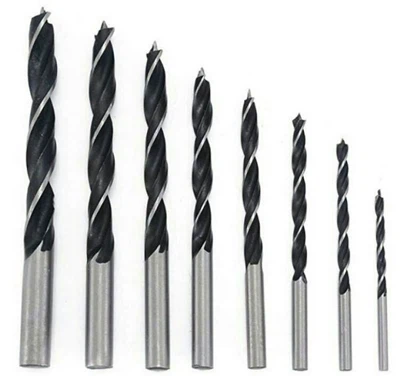
The strongest drill bits are typically made from tungsten carbide, a material known for its exceptional hardness and durability. Tungsten carbide ranks about 9.0–9.5 on the Mohs scale of hardness and has a Vickers hardness number of around 2600. This makes it highly resistant to wear and able to withstand high temperatures, which is why it's widely used in industrial applications.
Key Strengths of Tungsten Carbide Drill Bits
High Hardness: Tungsten carbide is one of the hardest materials available, making it ideal for drilling through tough materials like granite, concrete, and hard metals.
Durability: It maintains a sharp cutting edge longer than other materials, reducing the need for frequent replacements.
Temperature Resistance: It can withstand high temperatures, which is crucial for applications involving high-speed drilling.
Applications
Industrial Use: Tungsten carbide bits are commonly used in mining, metalworking, and construction for their ability to handle tough materials.
Precision Work: They are also used in precision machining and toolmaking due to their accuracy and durability.
Comparison with Other Materials
High-Speed Steel (HSS): While HSS bits are versatile and suitable for general-purpose drilling, they are not as hard or durable as tungsten carbide bits.
Cobalt: Cobalt bits are harder than HSS but still not as durable as tungsten carbide.
what makes a good drill bit
A good drill bit is characterized by several key qualities that ensure its durability, performance, and versatility. Here are the main factors that make a drill bit effective:
1. Material
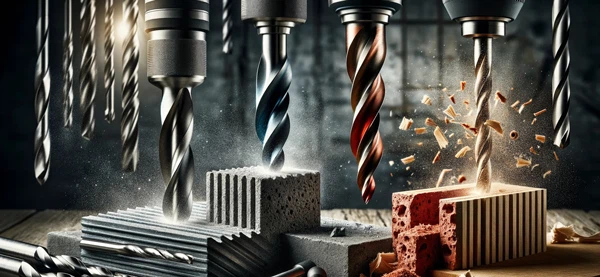
High-Speed Steel (HSS): This is the most common material for drill bits. HSS bits are versatile and can handle a variety of materials, including wood, metal, and plastic. They offer a good balance of hardness and flexibility.
Carbide: Carbide bits are harder and more durable than HSS bits, making them ideal for drilling into very hard materials like concrete, brick, and stone.
Diamond-Coated: These bits are used for drilling into extremely hard materials like glass, ceramic, and stone. The diamond coating provides superior hardness and durability.
2. Design Features
Flutes: The spiral grooves on the bit help remove material as the bit rotates. More flutes generally mean better material removal and smoother drilling.
Point Angle: The angle at the tip of the bit affects how well it starts and maintains a hole. A 118-degree point angle is common for general-purpose bits, while a 135-degree point angle is better for harder materials.
Shank: The part of the bit that fits into the drill chuck. It can be round, hexagonal, or have a special design for specific chucks.
3. Coatings
Titanium Nitride (TiN): This coating reduces friction and increases heat resistance, making the bit last longer and perform better.
Black Oxide: This coating provides additional corrosion resistance and reduces friction.
4. Size and Type
Fractional Sizes: Common sizes include 1/16 inch, 1/8 inch, 3/16 inch, and 1/4 inch.
Metric Sizes: Common sizes include 1.0 mm, 1.5 mm, 2.0 mm, and so on.
Specialty Bits: There are also specialty bits like countersink bits, Forstner bits, and step bits for specific applications.
5. Durability and Performance
Hardness: The bit should be hard enough to cut through the material without dulling quickly.
Heat Resistance: The bit should be able to withstand high temperatures without losing its cutting edge.
Precision: The bit should create clean, precise holes without chipping or tearing the material.
6. Brand and Quality
Reputable Brands: Brands like DeWalt, Milwaukee, Bosch, and Irwin are known for their high-quality drill bits.
User Reviews: Look for bits with positive user reviews and ratings to ensure reliability and performance.
what material are drill bits made of
Drill bits are made from a variety of materials, each designed to handle specific types of drilling tasks and materials. Here are the most common materials used for drill bits:
1. High-Speed Steel (HSS)
Characteristics: HSS bits are versatile and suitable for general-purpose drilling in wood, plastic, and soft metals like aluminum and mild steel.
Pros: Durable, heat-resistant, and relatively inexpensive.
Cons: Not suitable for very hard materials like stainless steel or cast iron.
2. Cobalt Steel
Characteristics: Cobalt bits are harder and more heat-resistant than HSS bits, making them suitable for drilling into harder metals like stainless steel and cast iron.
Pros: Enhanced durability and heat resistance.
Cons: More expensive than HSS bits and can be brittle if not used properly.
3. Carbide
Characteristics: Carbide bits are extremely hard and durable, making them ideal for drilling into very hard materials like concrete, brick, and stone.
Pros: Long-lasting and suitable for heavy-duty applications.
Cons: More expensive and require more care to avoid chipping.
4. Titanium-Coated Steel
Characteristics: These bits are made from high-speed steel but are coated with a layer of titanium nitride, which enhances durability and reduces friction.
Pros: Improved wear resistance and reduced friction.
Cons: More expensive than standard HSS bits.
5. Diamond-Coated
Characteristics: Diamond-coated bits are used for drilling into very hard and brittle materials like glass, ceramic tiles, and porcelain.
Pros: Provides precision and prevents cracking.
Cons: More expensive and require more care to avoid chipping.

6. Black Oxide Steel
Characteristics: These bits are made from high-speed steel and coated with a black oxide finish, which provides additional durability and corrosion resistance.
Pros: Enhanced durability and resistance to rust.
Cons: Not as hard or durable as carbide bits.
7. Tungsten Carbide
Characteristics: Tungsten carbide bits are extremely hard and durable, making them suitable for drilling into very hard materials like granite, concrete, and stainless steel.
Pros: High durability and long-lasting performance.
Cons: More expensive and can be brittle if not used properly.
what order to use nail drill bits
Using nail drill bits effectively involves a specific order and technique to ensure both safety and optimal results. Here's a step-by-step guide to help you use nail drill bits correctly:
Step-by-Step Guide to Using Nail Drill Bits
1. Preparation
Clean and Sanitize: Start by cleaning and sanitizing your nails and tools to ensure a hygienic experience.
Select the Right Bit: Choose the appropriate drill bit for your task. For example, use a fine-grit bit for smoothing and a coarser bit for removing gel or acrylic.
2. Adjust the Speed
Set the Speed: Adjust the speed of your nail drill based on the task. For filing or buffing, use a lower speed (3,000 to 5,000 RPM). For removing gel or acrylic nails, use a higher speed (up to 35,000 RPM).
3. Drilling Techniques
Filing the Nail Surface: Hold the drill at a 45-degree angle and move it in one direction to avoid heat buildup.
Removing Gel Polish or Acrylics: Use a coarse bit and gently glide over the surface, avoiding direct contact with the natural nail.
Shaping and Smoothing: Use a medium-grit bit to refine the nail shape and a fine-grit bit to smooth rough edges.
4. Finishing Touches
Buff the Nails: Buff the nails for a smooth, polished finish.
Clean and Sanitize: Clean and sanitize your drill bits and handpiece after use to maintain hygiene and prolong their lifespan.
5. Safety Precautions
Protective Eyewear: Wear safety goggles to protect your eyes from debris.
Dust Mask: Use a dust mask to prevent inhaling nail dust.
Take Breaks: Take short breaks during your nail care routine to let your nails cool down and avoid overheating.
Tips for Effective Use
Practice on Fake Nails: Before working on your natural nails, practice on fake nails to get comfortable with the drill's speed, pressure, and techniques.
Invest in Quality Tools: A high-quality nail drill with adjustable speed settings and durable bits is worth the investment.
Clean and Sanitize Bits: After each use, clean and sanitize your drill bits with rubbing alcohol or a disinfectant.


