

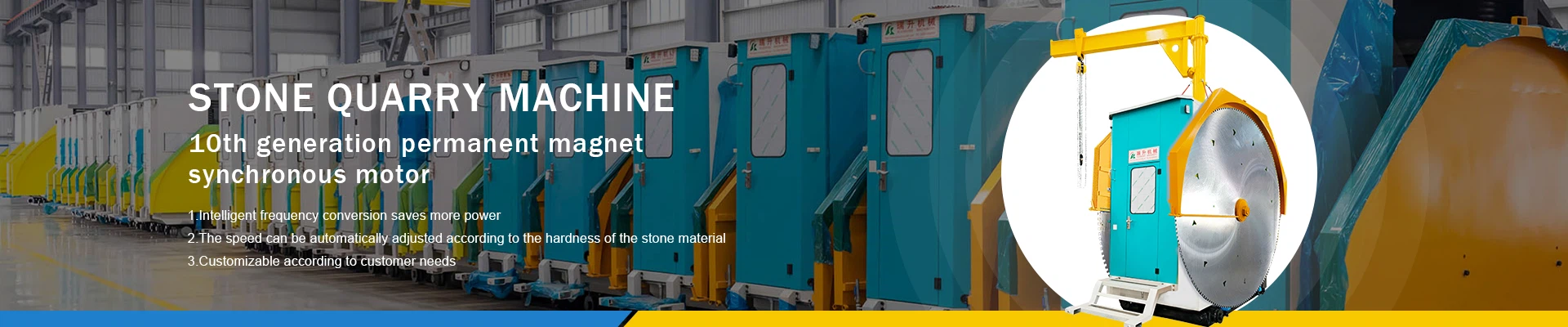
A marble quarry is a specific type of open-pit mine where marble, a type of metamorphic rock, is extracted from the earth. Marble is highly valued for its aesthetic appeal, durability, and versatility, making it a popular material for construction, sculpture, and decorative purposes. Here's a detailed overview of what a marble quarry is and how it operates:
Characteristics of Marble Quarries
Geological Formation:
Metamorphic Rock: Marble is a metamorphic rock formed from limestone or dolomite under high pressure and temperature. It is primarily composed of calcite or dolomite crystals.
Varieties: Marble comes in various colors and patterns, depending on the minerals present and the geological processes it has undergone.
Location:
Natural Deposits: Marble quarries are typically located in areas with significant marble deposits, often in mountainous regions. Major marble-producing countries include Italy, China, India, Spain, and Greece.
Accessibility: The location of a quarry must be accessible for transportation and infrastructure development.
Extraction Process
Site Preparation:
Surveying: Geologists and engineers survey the site to identify the best locations for extraction.
Permitting: Obtain necessary permits and approvals from local and national authorities.
Cutting and Extraction:
Diamond Wire Saws: Modern marble quarries often use diamond wire saws to cut large blocks of marble from the quarry face. These saws are highly efficient and precise.
Blasting: In some cases, controlled blasting may be used to loosen large sections of marble, which are then cut into manageable blocks.
Transportation:
Handling Equipment: Heavy machinery such as cranes, loaders, and trucks are used to move the large marble blocks from the quarry to processing facilities.
Processing: The blocks are then transported to processing plants where they are cut into slabs, tiles, or other finished products.
Environmental Considerations
Impact on the Landscape:
Reclamation Plans: Modern quarries often have reclamation plans in place to restore the land after extraction is complete.
Minimizing Footprint: Efforts are made to minimize the environmental impact by using sustainable practices and technologies.
Water Management:
Runoff Control: Systems are in place to manage water runoff and prevent contamination of nearby water sources.
Recycling: Water used in the cutting process is often recycled to reduce waste and conserve resources.
Economic and Cultural Significance
Economic Impact:
Local Employment: Marble quarries provide jobs in mining, transportation, and processing.
Export Revenue: Many countries export marble, contributing to their national economies.
Cultural Heritage:
Historical Use: Marble has been used for centuries in architecture and sculpture, contributing to cultural heritage.
Artistic Value: High-quality marble is sought after by artists and sculptors for its aesthetic properties.

How does marble quarrying affect the environment?
Marble quarrying, like other forms of mining, has significant environmental impacts that affect ecosystems, local communities, and overall sustainability. Here's a detailed look at the environmental effects of marble quarrying and some sustainable practices that can mitigate these impacts:
Environmental Impacts of Marble Quarrying
1.Habitat Destruction:
Deforestation: Quarrying often involves clearing large areas of forest, leading to habitat loss for local wildlife.
Soil Erosion: Removal of vegetation and soil during quarrying can accelerate erosion, degrading the land.
2.Air Pollution:
Dust and Particulate Matter: The process generates fine dust particles that can reduce air quality and pose health risks to workers and nearby residents. These particles can also affect plant and animal life in the surrounding area.
3.Water Pollution:
Slurry Waste: The processing stage produces slurry waste, which can contaminate water bodies if not properly managed. This can harm aquatic life and pollute drinking water sources.
4.Energy Consumption:
High Energy Use: Marble production relies on energy-intensive machinery for cutting, polishing, and transportation, contributing to greenhouse gas emissions.
5.Noise Pollution:
Heavy Machinery and Blasting: Quarry operations generate significant noise pollution, affecting local communities and wildlife.
6.Waste Generation:
Stone Fragments and Slurry: Significant waste is generated at every stage of marble production, including unusable stone fragments and toxic by-products.
Sustainable Practices in Marble Quarrying
1.Responsible Quarrying:
Quarry Rehabilitation: Implementing programs to restore ecosystems and support biodiversity after extraction. This includes planting native vegetation and reintroducing wildlife.
2.Energy-Efficient Technologies:
Advanced Machinery: Using water jet cutting and other energy-efficient techniques to reduce energy consumption. Transitioning to renewable energy sources like solar or wind power can further decrease the carbon footprint.
3.Water Recycling:
Closed-Loop Systems: Implementing closed-loop water systems in processing plants to recycle water used during cutting and polishing.
4.Waste Management:
Repurposing By-Products: Marble by-products can be repurposed into construction materials, reducing waste. Proper disposal methods should be employed for slurry and other waste.
5.Certification Standards:
Environmental Certifications: Ensuring that marble is sourced and processed sustainably by obtaining certifications like LEED or ISO 14001.
6.Local Sourcing:
Reducing Transportation: Sourcing marble from local quarries reduces transportation distances and carbon emissions. This also supports local economies.
What are the different types of marble found in quarries?
Marble quarries produce a wide variety of marble types, each with unique characteristics and appearances. Here are some of the most common types of marble found in quarries:
White Marble
Carrara Marble: Quarried in Italy, Carrara marble is known for its pure white color and fine, uniform texture. It is widely used in sculpture and building facades.
Calacatta Marble: This high-end marble features a bright white background with dramatic, bold veining in hues of gray and gold. It is highly prized for luxurious interiors.
White Himalaya Marble: Quarried in Greece, this marble has a white background with strokes of purple, brown, and gray.
Statuario Marble: A slightly darker type of white marble, identified by sharp, dark gray veins on a light gray background.
Brown Marble
Emperador Marble: Originating from Spain, Emperador marble comes in both dark and light shades, characterized by rich brown hues and intricate veining.
French Brown Marble: Quarried in India, this marble has a deep black veining across a greyish-brown background.
Pink Marble
Rosa Levante: A pinkish-brown marble with a solid pink color and a grainy texture, quarried in Spain.
Rosa Portugues: This marble comes in many shades of true pink, with some slabs having grey or brown streaks of veining.
Yellow Marble
Amarillo Triana: A brightly colored yellow marble with fine grains and irregular streaks of dark yellow or grey.
Yellow Siena Marble: Quarried in Italy, this marble has robust golden tones with cloudy veining.
Other Notable Marbles
Thassos Marble: Quarried on the Greek island of Thassos, this marble is prized for its pure white color and crystalline structure.
Nero Marquina Marble: A rare type of marble characterized by its deep black color and bright white veining.


