

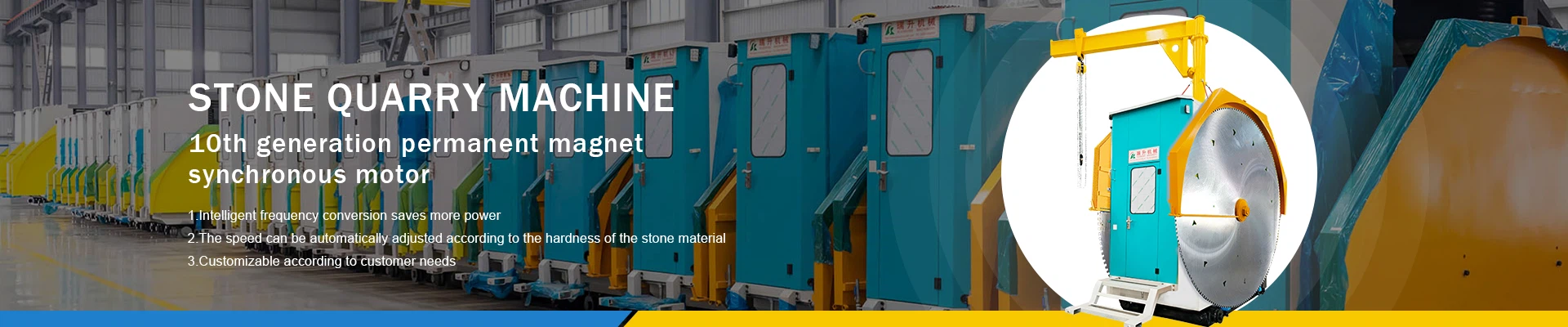
Mining machines are often painted yellow for several key reasons related to safety, visibility, and industry standards:
1. High Visibility
Yellow is one of the most visible colors to the human eye, especially in low-light conditions and against various backgrounds. This high visibility helps operators and workers on the site to easily spot the machines, reducing the risk of accidents.
2. Safety Standards
The color yellow is associated with caution and warning. Many safety standards, such as those from OSHA (Occupational Safety and Health Administration) and ANSI (American National Standards Institute), recommend using yellow for equipment to highlight potential hazards and improve site safety.
3. Cultural and Psychological Factors
Yellow has become a cultural standard for construction and mining machinery. People are conditioned to associate yellow with construction and mining equipment, making it easier to recognize and react to these machines on site.
4. Durability and Maintenance
Yellow paint is known for its durability and resistance to fading, which is crucial for machines operating in harsh outdoor conditions. This ensures that the machines remain visible and identifiable over time.
5. Regulatory Requirements
In some regions, regulations specify that construction and mining equipment should be painted in specific colors for safety reasons. For example, China's national standards stipulate that lifting equipment should be painted yellow.

How does yellow improve safety in mining?
The color yellow is often used in mining to enhance safety due to its high visibility. Here's how yellow improves safety in mining:
1. Visibility and Awareness
Yellow is a highly visible color that stands out against most backgrounds, making it easier for miners to see equipment, warning signs, and other important markers. This increased visibility helps reduce the risk of accidents and improves overall situational awareness.
2. Personal Protective Equipment (PPE)
Miners often wear yellow vests or helmets to increase their visibility, especially in low-light conditions or areas with poor visibility. Reflective yellow materials are particularly effective in ensuring that workers can be seen by machinery operators and other personnel.
3. Safety Signage
Yellow is commonly used for safety signs and markings in mining operations. These signs can warn of hazards, indicate safe pathways, and provide important instructions. The high contrast of yellow against darker backgrounds ensures that these signs are easily noticed and understood.
4. Equipment and Vehicle Markings
Mining equipment and vehicles are often painted yellow to make them more visible, especially in dusty or low-light environments. This helps prevent collisions and accidents by ensuring that machinery can be easily spotted by workers and operators.
5. Emergency Response
Yellow is also used to mark emergency equipment and response areas. For example, first-aid stations, safety showers, and eyewash stations are often highlighted with yellow to ensure they can be quickly located in an emergency.
6. Lighting and Illumination
In underground mining, yellow lights are sometimes used to improve visibility and reduce the risk of circadian disruption, which can lead to fatigue and decreased alertness. Proper lighting is crucial for maintaining miner safety and productivity.
What are the maintenance benefits of yellow paint on mining machines?
The use of yellow paint on mining machines offers several maintenance benefits:
1. Enhanced Visibility
Yellow is a highly visible color that stands out against natural backgrounds like green vegetation, brown soil, and gray rocks. This high visibility helps workers quickly spot machinery, even from a distance or in low-light conditions, reducing the risk of accidents.
2. Ease of Maintenance
The bright yellow color makes it easier for maintenance crews to identify any issues or damage on the machinery. This allows for quicker repairs and reduces downtime. Additionally, yellow equipment is generally easier to clean, which helps in maintaining the machine's performance.
3. Durability and Protection
Yellow paint used on mining machines is often formulated to be highly durable, resistant to harsh environmental conditions such as extreme temperatures, corrosion, and exposure to dirt and chemicals. This ensures that the equipment remains visible and protected for a longer period.
4. Safety and Caution
Yellow is universally recognized as a cautionary color, similar to its use in traffic signals and warning signs. This association helps workers approach the machinery with care, enhancing overall safety on the job site.
5. Improved Communication
The distinct color of yellow machinery helps in better coordination among different work crews. It allows workers to easily locate and communicate about the position and movement of equipment, improving overall efficiency.
How does yellow help in low-light conditions?
Yellow significantly enhances visibility in low-light conditions due to its high luminance and contrast. The human eye is particularly sensitive to yellow, which has wavelengths between 570 and 590 nanometers. This makes yellow highly visible even in poor lighting, fog, or haze. Yellow is often used in safety equipment and clothing because it stands out against most backgrounds, making it easier for workers to be seen. In low-light environments, such as underground mines or foggy conditions, yellow can be paired with reflective materials to further enhance visibility. This combination ensures that workers remain visible to machinery operators and others, reducing the risk of accidents.
Is there a specific type of yellow paint recommended for mining equipment?
For mining equipment, a specific type of yellow paint is often recommended due to its durability and visibility. Here are some key points to consider when choosing yellow paint for mining machines:
High Visibility: Yellow is a highly visible color that stands out in various environments, enhancing safety and making machinery easier to spot.
Durability: The paint should be formulated to withstand harsh mining conditions, including exposure to chemicals, extreme temperatures, and abrasive materials.
Standards Compliance: Look for paints that comply with industry standards such as ASTM International's specifications for pigments and coatings. This ensures the paint meets quality and performance criteria.
Reflective or Fluorescent Options: For enhanced visibility in low-light conditions, consider reflective or fluorescent yellow paints.
Specific Yellow Shades: Certain shades of yellow, such as Golden Yellow (Y14), are commonly recommended for mining equipment due to their high visibility and durability.
Application Ease: Choose paints that are easy to apply and dry quickly, such as spray paints or aerosols, which provide uniform coverage and are suitable for various surfaces.

Are there any other colors used for mining equipment?
In addition to the iconic yellow color, mining equipment can be found in a variety of other colors for different purposes and applications:
1. Red
Red is often used for safety and warning signs, as well as for emergency stop buttons and fire equipment. This color is associated with danger and caution, making it highly visible and effective for safety purposes.
2. Orange
Orange is used for parts of machinery that may cut, crush, or otherwise injure workers. It is also used for safety equipment and to mark tripping, falling, and striking hazards.
3. Blue
Blue is used for informational signs and to mark boundaries, such as traffic or housekeeping markings. It can also be used for specific railroad warnings against starting, using, or moving equipment being repaired.
4. Green
Green markers are used for escapeway markers in underground mining. These markers are tested for detectability in smoke and are critical for visibility in emergency situations.
5. White
White is used for the background of exit signs and other informational signs. It provides a high contrast against colored text, making it easier to read.
6. Black
Black is used for text and symbols on signs, providing high contrast against lighter background colors. It is also used for certain types of safety equipment.
7. Gray
Gray is sometimes used for less critical areas or as a background color to reduce glare and improve visibility.
8. Silver
Silver is used for its industrial appearance, representing the technological aspect of mining. It can convey a sense of modernity and reliability.
9. Gold
Gold is used to signify the preciousness and value associated with mining. It can add a touch of elegance and professionalism to the equipment.
10. Multicolor
Some mining equipment may use a combination of colors for different components or to match specific branding guidelines. This can include various shades inspired by the mining industry, such as coal black, saddle brown, and orange red.
Why is red used for safety signs?
Red is a highly visible and universally recognized color used for safety signs to indicate danger and immediate hazards. According to OSHA and ANSI standards, red is used to signal the need to stop, mark fire-related hazards, and identify fire protection equipment. It is also used for emergency stop switches and to indicate flammable liquids. This color is effective in low-light conditions and stands out against most backgrounds, making it ideal for warning signs and safety equipment. The use of red in safety signs helps reduce the risk of accidents by providing clear and immediate visual cues to workers.
What does the color blue signify in mining?
In the mining industry, the color blue typically signifies informational and regulatory aspects. Blue is often used for signs and symbols that provide important information to miners. For example, blue signs can indicate the locations of bathrooms, emergency exits, or first aid stations. This use of blue helps to create a safe and organized work environment by clearly communicating essential information.
Additionally, blue is associated with trust, loyalty, and reliability. These qualities are crucial in the mining industry, where workers rely on each other and on the equipment they use. The color blue can also symbolize a sense of calm and stability, which is important in the high-stress environment of mining.
Overall, the color blue in mining serves both practical and symbolic purposes, enhancing safety and communication while fostering a sense of trust and reliability among workers.
Can you explain the use of green markers in underground mining?
In underground mining, green markers play a crucial role in enhancing safety and visibility. Here are some key uses and considerations for green markers in mining operations:
1. Emergency Exit Routes
Green markers are often used to indicate emergency exit routes and safe assembly points. This helps miners quickly locate escape paths during
emergencies, reducing panic and ensuring orderly evacuation.
2. Safety Equipment Locations
Green markers can also denote the locations of essential safety equipment, such as first aid kits and emergency shelters. This ensures that miners can easily find these resources when needed.
3. Visibility in Smoke
Studies have shown that green markers are highly visible in smoke-filled environments, making them effective for marking escape routes and critical locations during emergencies. For example, tests have demonstrated that green markers are more detectable than other colors in smoky conditions.
4. Regulatory Requirements
Federal regulations require marking primary and secondary escapeways in mines. Green markers are often used for this purpose due to their high visibility and association with safety.
5. Psychological Impact
The color green is psychologically associated with safety and calmness, making it an ideal choice for markers that need to provide reassurance during stressful situations.
6. Reflective and Illuminated Markers
To enhance visibility in low-light conditions, green markers are often designed to be reflective or illuminated. This ensures that they can be seen clearly even in dimly lit or smoke-filled environments.
7. Consistent Color Coding
Using a consistent color code, such as green for safety-related markers, helps miners quickly recognize and respond to visual cues, improving overall safety and efficiency.
What are some examples of red safety signs?
Red safety signs are crucial in alerting workers to potential hazards and ensuring compliance with safety protocols. Here are some common examples of red safety signs:
1. Fire Safety Signs
Fire Extinguisher Locations: Red signs indicating the location of fire extinguishers are essential in any workplace. They help ensure that workers can quickly locate and use these devices in case of a fire.
Fire Alarm Pull Stations: Red signs marking the location of fire alarm pull stations are critical for alerting others to a fire emergency.
Fire Hose and Fire Blanket Locations: These signs help workers quickly locate fire hoses and fire blankets, which can be crucial in controlling small fires.
2. Emergency Stop Signs
Emergency Stop Switches: Red signs are used to mark emergency stop switches on machinery and equipment. These signs ensure that workers can quickly identify and use these switches to stop machinery in case of an emergency.
Emergency Shutdown Procedures: Red signs can also provide instructions on emergency shutdown procedures, ensuring that workers know how to respond in critical situations.
3. Hazardous Material Signs
Flammable Liquids: Red signs are used to mark storage areas for flammable liquids, ensuring that workers are aware of the potential hazards and take necessary precautions.
Explosive Materials: Red signs are used to indicate the presence of explosive materials, alerting workers to the need for extra caution and adherence to safety protocols.
4. Prohibition Signs
No Smoking: Red signs prohibiting smoking in certain areas help prevent fires and ensure compliance with safety regulations.
No Entry: Red signs indicating restricted access areas help prevent unauthorized personnel from entering hazardous zones, reducing the risk of accidents.
5. First Aid and Emergency Equipment
First Aid Stations: Red signs marking the location of first aid stations ensure that workers can quickly locate these resources in case of an injury.
Emergency Eyewash and Shower Stations: Red signs indicating the location of emergency eyewash and shower stations are crucial for providing immediate first aid in case of chemical exposure.
6. Traffic and Vehicle Safety
Stop Signs: Red stop signs are used to control traffic flow in industrial areas, ensuring that vehicles and pedestrians can safely navigate the workspace.
Speed Limit Signs: Red signs indicating speed limits help ensure that vehicles operate at safe speeds, reducing the risk of accidents.
7. General Warning Signs
High Voltage: Red signs warning of high voltage areas help prevent electrocution and ensure that workers take necessary precautions.
Slippery When Wet: Red signs indicating slippery surfaces help prevent falls and ensure that workers take appropriate measures to avoid accidents.
Conclusion
Red safety signs are essential in any workplace, particularly in high-risk environments like mining, construction, and manufacturing. These signs provide clear, immediate visual cues that alert workers to potential hazards and ensure compliance with safety protocols. By using red for critical safety signs, organizations can significantly reduce the risk of accidents and promote a safer working environment.


