

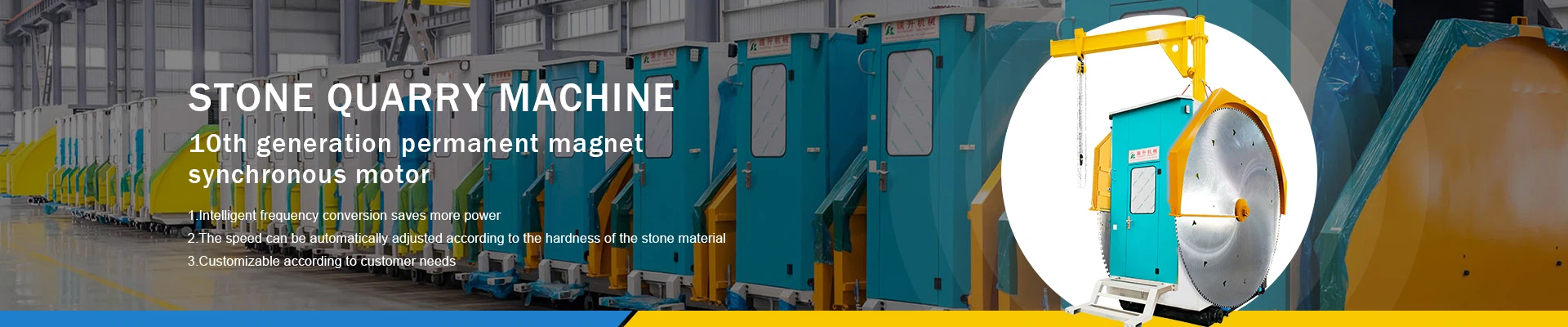
In placer mining, a variety of machines and equipment are used to extract valuable minerals, primarily gold, from sand, gravel, and alluvial deposits. Here are the main types of machines and equipment commonly used in placer mining:
1. Gold Dredges
Gold dredges are used to extract placer gold from sand, gravel, and mud using water and mechanical techniques. They range in size from small portable units to large, multi-story machines. The process involves:
Excavation: Using a digging bucket to mine placer gold.
Screening: Passing the material through a trommel screen to separate larger rocks and boulders.
Washing: Using sluice boxes and jigs to separate gold from the lighter materials.
2. Excavators and Loaders
Excavators and loaders are used for excavating and transporting placer materials. They are particularly useful in areas with irregular and steep topography. These machines can handle large volumes of material and are essential for stripping overburden and accessing gold-bearing gravels.
3. Bulldozers
Bulldozers are used for open-pit mining of placer gold deposits. They can strip topsoil, excavate, and supply ore to washing plants. Bulldozers are especially effective in areas with thick gold-bearing layers and high clay content.
4. Sluice Boxes
Sluice boxes are long, narrow boxes with riffles (small ridges) along the bottom. They are used to separate gold from lighter materials by directing the flow of water and material through the box. Gold settles out of the water and is collected by the riffles.
5. Trommels
Trommels, also known as rotary screens, are used to filter out large materials like rocks and boulders. They come in various sizes and are essential for processing large volumes of placer material. Trommels are often used in combination with sluice boxes to maximize gold recovery.
6. Rocker Boxes
Rocker boxes, also known as cradles, are used to process more gravel per day than panning. They are effective for small-scale placer operations and are often homemade. Rocker boxes consist of a washing box, screen, canvas apron, and sluice with riffles.
7. Long Toms
Long toms are similar to sluice boxes but are longer and more portable. They are used for washing and processing placer materials in small-scale operations.
8. Dry Washers
Dry washers are used in areas with limited water supply. They use air to separate gold from lighter materials, making them suitable for dry placer deposits.
9. Gold Pans
Gold pans are the simplest and most basic tool for placer mining. They are used for small-scale operations and sampling. Panning involves manually washing gravel in a pan to separate gold.
10. Mechanized Land-Based Operations
Mechanized land-based operations use heavy machinery like draglines, shovels, backhoes, front-end loaders, and dozers to excavate placer material. The material is then transported to concentrating plants or sluice boxes for mineral recovery.
These machines and equipment are essential for efficient placer mining operations, allowing miners to process large volumes of material and recover valuable minerals effectively. The choice of equipment depends on the specific conditions of the placer deposit and the scale of the mining operation.
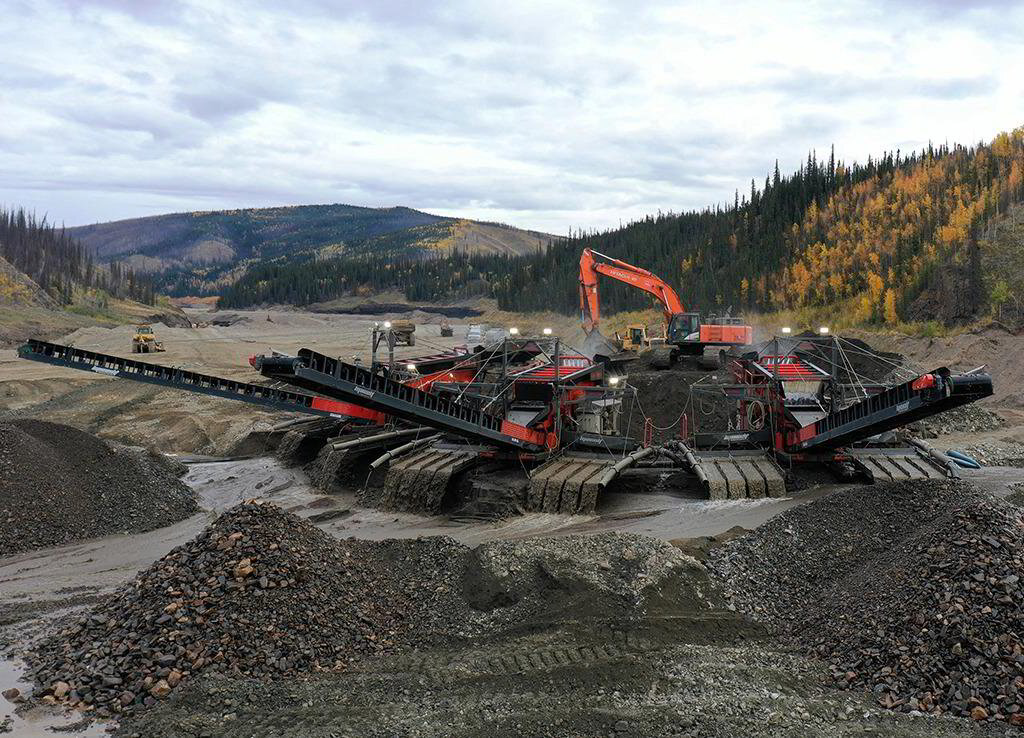
Can you explain the role of excavators in placer mining?
Excavators play a crucial role in placer mining, which involves extracting minerals from unconsolidated deposits, such as gravel and sand. Here's how excavators are used in placer mining:
1. Removing Overburden
Excavators are used to remove the overburden, which is the layer of soil and rock that covers the valuable minerals. This process is essential for accessing the underlying placer deposits.
2. Material Extraction
Once the overburden is removed, excavators dig into the placer deposits to extract the mineral-bearing materials. These materials are typically loose and can be easily moved by the excavator's bucket.
3. Loading and Transporting
Excavators load the extracted materials onto trucks or conveyors for transportation to processing facilities. Their ability to handle large volumes of material efficiently makes them ideal for this task.
4. Versatility and Adaptability
Excavators can be equipped with various attachments, such as buckets of different sizes, to handle specific tasks. This versatility allows them to adapt to different placer mining conditions and requirements.
5. Efficiency and Productivity
Modern excavators are designed with advanced hydraulic systems and powerful engines, which enhance their efficiency and productivity. They can operate in challenging environments, contributing to the overall success of placer mining operations.
What are the common types of excavators used in placer mining?
In placer mining, several types of excavators are commonly used to efficiently extract gold and other valuable minerals from sand, gravel, and alluvial deposits. Here are the main types of excavators used in placer mining:
1. Dragline Excavators
Dragline excavators are large, powerful machines used for heavy-duty excavation tasks. They are particularly useful in placer mining for their ability to remove large volumes of overburden and access gold-bearing gravels. These machines are built on-site due to their massive size and are known for their long reach and high capacity.
2. Excavator Shovels
Excavator shovels, also known as mechanical shovels, are self-propelled machines capable of excavating, loading, lifting, rotating, and unloading materials. They are highly versatile and can be used in various placer mining operations, from small-scale to large-scale projects. Their ability to rotate 360 degrees makes them efficient for both excavation and loading tasks.
3. Bulldozers
Bulldozers are essential in placer mining for their ability to strip topsoil and move large amounts of material. They are particularly effective in areas with thick gold-bearing layers and high clay content. Bulldozers can also be used to push material into washing plants or sluice boxes, making them a crucial part of the mining process.
4. Wheel Tractor Scrapers
Wheel tractor scrapers are used for transporting earth and gravel from one place to another. They are efficient in placer mining operations where material needs to be moved over short distances. These machines can carry large volumes of material and are designed for quick loading and unloading.
5. Backhoe Loaders
Backhoe loaders are versatile machines that combine the functions of an excavator and a loader. They are commonly used in placer mining for their ability to dig and load material into trucks or processing plants. Their compact size makes them suitable for smaller mining operations and areas with limited space.
6. Clamshell Excavators
Clamshell excavators are equipped with a clamshell bucket that can open and close to grab and lift material. They are used in placer mining for their ability to efficiently remove material from water bodies and other difficult-to-reach areas. Clamshell excavators are particularly useful in dredging operations.
Conclusion
The choice of excavator in placer mining depends on the specific conditions of the mining site, the scale of the operation, and the type of material being mined. Dragline excavators and bulldozers are ideal for heavy-duty tasks, while excavator shovels and backhoe loaders offer versatility for various mining needs. Wheel tractor scrapers and clamshell excavators provide additional options for material transportation and dredging operations.

How do excavators contribute to the environmental impact of mining?
Excavators contribute to the environmental impact of mining in several ways, both positively and negatively:
Negative Impacts
Air Pollution:
Excavators typically use diesel engines, which emit pollutants such as carbon dioxide (CO₂), nitrogen oxides (NOx), and particulate matter (PM). These emissions contribute to air pollution and climate change.
Dust generated during excavation can also affect air quality, posing health risks to workers and nearby communities.
Soil Disturbance:
Excavation activities can cause significant soil erosion and degradation, leading to the loss of topsoil and disruption of local ecosystems.
Noise Pollution:
Excavators generate substantial noise, which can disturb local wildlife and negatively impact the quality of life in neighboring communities.
Water Pollution:
Leaks from hydraulic fluids and oils can contaminate water sources, affecting aquatic life and water quality.
Positive Impacts
Efficient Resource Management:
Excavators enable controlled digging and removal of materials, supporting more sustainable practices in resource extraction.
Land Reclamation:
They play a crucial role in land reclamation projects, transforming degraded or contaminated land into usable space for development or natural habitats.
Site Preparation for Green Initiatives:
When used responsibly, excavators can prepare land for environmentally beneficial projects, such as green buildings or stormwater management systems.
Mitigation Strategies
Regular Maintenance: Proper maintenance can reduce emissions and ensure efficient operation.
Cleaner Fuels and Technologies: Using cleaner fuels and adopting advanced technologies like diesel particulate filters (DPFs) or selective catalytic reduction (SCR) systems can minimize harmful emissions.
Eco-Friendly Practices: Implementing sustainable excavation techniques, such as minimizing soil disturbance and controlling dust, can reduce environmental impact.
In summary, while excavators contribute to environmental challenges in mining, their efficient use and the adoption of sustainable practices can mitigate these impacts and support more eco-friendly operations.
Can you tell me more about the history of excavators in mining?
The history of excavators in mining is a fascinating journey of technological advancement and innovation. Here's a detailed look at how excavators have evolved and their impact on the mining industry:
Early Beginnings: Steam-Powered Excavators
The first excavator was a steam-powered machine developed by Scottish inventor James Watt and English entrepreneur Matthew Boulton in 1796. This early machine was a significant leap from manual labor, allowing for more efficient earth-moving. In 1839, American inventor William Otis patented the first steam-powered excavator, which became known as the steam shovel. These machines were crucial in large-scale projects like the construction of the Panama Canal and the Transcontinental Railroad.
The Crawler Revolution
The development of crawler tracks was another major milestone. In 1904, Benjamin Holt designed the first crawler track, which allowed excavators to move independently of railway lines. This innovation made excavators more versatile and suitable for various terrains, including mining operations.
The Hydraulic Era
The introduction of hydraulic technology in the mid-20th century marked a significant leap in excavator technology. In 1951, the French company Poclain introduced the TY45, one of the first fully hydraulic excavators. Hydraulics allowed for smoother and more precise movements, significantly improving efficiency and control. This technology replaced the traditional mechanical transmission system, reducing digging force and enhancing flexibility.
Modern Developments
In recent decades, excavators have continued to evolve with advancements in electronics and automation. From the 1960s to the 1980s, electronic technology gave birth to mechatronic hydraulic excavators, which are superior in energy utilization and environmental protection. Today, excavators are equipped with advanced features such as GPS, remote monitoring, and autonomous operation, making them more efficient and safer to use in mining operations.
Impact on Mining
Excavators have transformed mining operations by increasing efficiency, reducing manual labor, and enhancing safety. They are used for a variety of tasks, including removing overburden, extracting minerals, and transporting materials. Modern mining excavators are designed to handle extreme conditions and are equipped with features that improve operator comfort, fuel efficiency, and durability.
What is the advantage of using a dragline excavator in placer mining?
Using a dragline excavator in placer mining offers several significant advantages:
1. High Excavation Efficiency
Dragline excavators are highly efficient at excavating large quantities of material. Their large dragline buckets can move significant amounts of soil, rocks, and minerals in a single operation. This efficiency is particularly valuable in placer mining, where the extraction or removal of materials is a primary task.
2. Cost-Effectiveness
Dragline excavators can be cost-effective in certain applications. Their ability to move substantial volumes of material with each operation reduces the need for multiple passes and additional equipment. This results in lower operational costs, increased productivity, and faster completion of projects, which can positively impact the overall profitability of mining operations.
3. Versatility
Dragline excavators are versatile machines that can be adapted to various applications. They can handle different types of materials, including soil, coal, ore, and overburden. The size and capacity of the dragline bucket can be adjusted to suit the specific requirements of the project.
4. Precision and Control
Dragline excavators offer precise control over excavation, allowing for accurate and controlled digging. This precision is crucial in placer mining, where the goal is to efficiently extract valuable minerals from specific layers of soil and gravel.
5. Reduced Environmental Impact
Modern dragline excavators are designed to minimize environmental impact. They can be equipped with advanced control systems that optimize fuel consumption and reduce emissions. Additionally, their ability to precisely place excavated materials helps reduce soil disruption and pollution.
6. Safety and Stability
Dragline excavators operate from a stable platform above the excavation site, reducing the risk of cave-ins and improving worker safety. Modern safety features, such as collision avoidance systems and proximity sensors, further enhance the safety of operations.
7. Adaptability to Harsh Conditions
Dragline excavators are built to withstand harsh conditions and heavy use. Their robust construction makes them suitable for placer mining operations in challenging environments.
8. Reduced Labor Requirements
Due to their automated functions and advanced control systems, dragline excavators require less manual labor compared to traditional mining methods. This reduces labor costs and increases overall efficiency.
How does a backhoe loader differ from a regular excavator?
Backhoe loaders and excavators are both heavy construction machines used for digging and material handling, but they have distinct differences in design, functionality, and application. Here's a detailed comparison:
1. Design and Configuration
Backhoe Loader:
Versatile Design: A backhoe loader is a compact machine with a tractor-like body. It has a front loader bucket for scooping and moving materials and a rear backhoe arm for digging.
Wheels: Typically mounted on wheels, making it easier to move around job sites without the need for a trailer.
Size: Generally smaller and more compact, suitable for tight spaces and urban construction sites.
Excavator:
Specialized Design: Excavators are larger and more specialized machines designed primarily for heavy-duty digging tasks. They have a rotating cab and a long boom arm with a digging bucket.
Tracks: Most excavators are mounted on tracks, providing better stability and traction in rough terrain.
Size: Larger and more powerful, suitable for large-scale construction and mining operations.
2. Functionality and Capabilities
Backhoe Loader:
Dual Functionality: Can perform both loading and digging tasks with the same machine, making it highly versatile.
Mobility: Easier to transport and maneuver in tight spaces, reducing the need for additional equipment.
Attachments: Can be fitted with various attachments, such as breakers, augers, and grapples, to perform multiple tasks.
Excavator:
Heavy-Duty Digging: Designed for deep and large-scale excavation projects, such as foundation digging, trenching, and mining.
Power and Precision: Offers greater digging depth and precision, making it ideal for complex excavation tasks.
Attachments: Can also be fitted with various attachments, but its primary function is excavation.
3. Applications
Backhoe Loader:
Urban Construction: Ideal for small to medium-sized construction projects in urban areas, such as road repairs, utility work, and landscaping.
General Contracting: Suitable for general contracting tasks that require both digging and loading capabilities.
Tight Spaces: Perfect for job sites with limited space, where larger equipment cannot be used.
Excavator:
Large-Scale Projects: Used in large construction projects, mining operations, and infrastructure development.
Deep Excavation: Suitable for deep excavation tasks, such as foundation digging and trenching for pipelines.
Heavy-Duty Applications: Designed for heavy-duty tasks that require significant power and precision.
4. Cost and Maintenance
Backhoe Loader:
Initial Cost: Generally lower initial purchase cost compared to excavators.
Maintenance: Lower maintenance costs due to simpler design and fewer components.
Excavator:
Initial Cost: Higher initial purchase cost due to its specialized design and larger size.
Maintenance: Higher maintenance costs, especially for the hydraulic system and tracks.
5. Operator Comfort and Control
Backhoe Loader:
Ease of Use: Easier to operate, with a simpler control system.
Comfort: Provides a more comfortable operating environment, especially for tasks that require frequent movement.
Excavator:
Complex Controls: More complex control system, requiring specialized training and experience.
Comfort: Designed for extended use in a single location, with a focus on precision and power.
Summary
Backhoe Loader: Versatile, compact, and cost-effective, suitable for small to medium-sized projects and tight spaces.
Excavator: Specialized, powerful, and precise, ideal for large-scale excavation and heavy-duty tasks.
Choosing between a backhoe loader and an excavator depends on the specific requirements of the project, including the size of the job site, the nature of the tasks, and the budget constraints.
What are the maintenance requirements for a dragline excavator?
The maintenance requirements for a dragline excavator are comprehensive and crucial for ensuring optimal performance, reliability, and longevity of the machine. Here are the key maintenance tasks and considerations:
Daily Maintenance Checks
Visual Inspection: Conduct a thorough visual inspection of the machine for any signs of damage, wear, or fluid leaks.
Fluid Levels: Check and refill hydraulic oil, engine oil, coolant, and fuel to ensure they are within the recommended levels.
Cleaning: Remove dirt and debris from the machine, especially around the tracks, engine, and cooling system, to prevent overheating and other issues.
Lubrication: Lubricate all critical moving parts, such as hinges, joints, and pivot points, to reduce friction and wear.
Battery Check: Inspect battery terminals for cleanliness and secure connections to ensure reliable starting and operation.
Weekly Maintenance Tasks
Track and Blade Inspection: Check the wear condition of the tracks and blades. Replace overly worn components promptly to maintain operational efficiency.
Lubrication Points: Ensure all lubrication points are adequately greased to reduce wear and extend equipment life.
Battery Health: Check the battery condition and connections. Clean terminals and ensure a secure fit to prevent startup problems.
Hoses and Belts: Inspect hydraulic hoses and belts for signs of wear, cracking, or leaks. Replace damaged components to prevent hydraulic issues.
Monthly Maintenance Guidelines
Hydraulic System Inspection: Check hoses and connections for leaks or damage. Ensure the hydraulic system operates smoothly and replace any problematic components.
Air Filter Maintenance: Clean or replace the air filter to ensure adequate airflow to the engine, preventing overheating and maintaining performance.
Undercarriage Inspection: Examine the undercarriage, including rollers, idlers, and sprockets, for wear or damage. Replace worn components to maintain optimal track performance.
Engine Health: Assess the overall condition of the engine, looking for oil leaks, unusual exhaust emissions, or abnormal noises. Address any engine-related concerns promptly.
Seasonal Maintenance Considerations
Winter Preparation: In cold weather, use appropriate antifreeze and check the battery and electrical systems to cope with low temperatures.
Summer Care: In high temperatures, regularly check the cooling system to ensure the radiator is clean and prevent overheating issues.
Professional Servicing
Regular Comprehensive Checks: Schedule regular comprehensive maintenance checks by qualified technicians to identify potential issues early and keep the equipment in optimal condition.
Common Maintenance Mistakes to Avoid
Ignoring Small Problems: Address small issues promptly to prevent them from escalating into major failures.
Neglecting Records and Logs: Keep detailed maintenance records to track the health status of the equipment and make timely maintenance decisions.
Additional Tips
Lubrication and Grease Points: Regularly apply grease to all specified points to prevent excessive wear and maintain smooth movement of components.
Component Inspections: Periodically inspect various components, including belts, hoses, seals, and electrical connections, to identify signs of wear or potential failures.
Safety Considerations: Follow proper lockout/tagout procedures and use appropriate personal protective equipment (PPE) during maintenance activities.


