

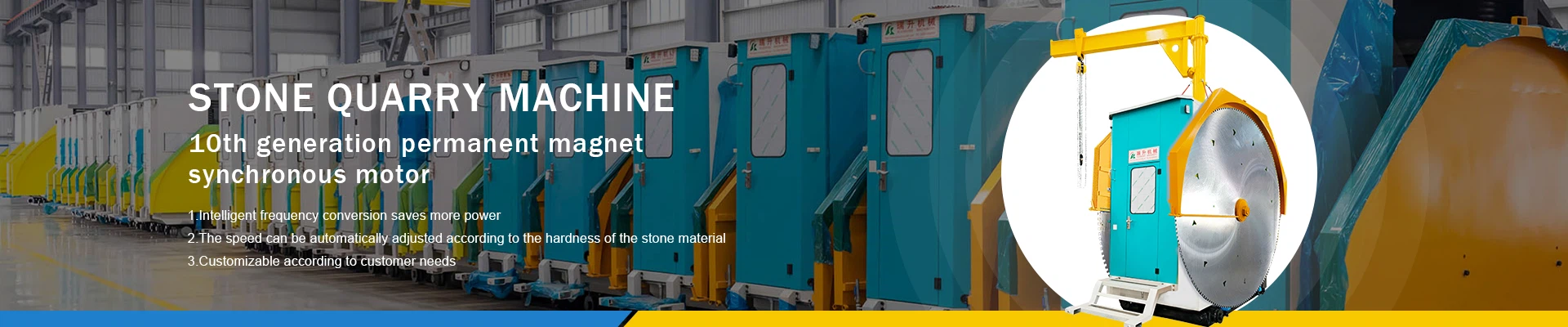
To find out where different marbles are quarried, you can refer to the following information:
Notable Marble Quarries Around the World
1.Italy: Italy is renowned for its high-quality marble, with Carrara in Tuscany being particularly famous for its white marble. This marble has been used in many iconic structures and sculptures throughout history.
2.Turkey: Turkey is one of the largest producers of marble in the world, with a diverse range of marble varieties. The city of Afyonkarahisar is famous for its Afyon White marble, while Bilecik is known for its Bilecik Beige marble.
3.Greece: Greece has a rich tradition of marble quarrying. The island of Thassos is renowned for its white marble, while the region of Drama is known for its distinctive white and blue marble, called Drama Blue.
4.China: China is a major producer and exporter of marble, with a wide range of marble varieties available. The provinces of Guangdong, Fujian, and Sichuan are particularly known for their marble quarries.
5.India: India is known for its vast reserves of marble and has a thriving marble industry. Rajasthan is the primary marble-producing state, with regions such as Makrana, Ambaji, and Kishangarh being famous for their marble quarries.
6.Spain: Spain is known for its diverse marble deposits and produces a variety of marble types. The region of Macael in Andalusia is particularly renowned for its high-quality white marble.
7.Brazil: Brazil is a significant producer of marble, with various marble quarries located across the country. Espírito Santo, Bahia, and Minas Gerais are notable regions for marble production.
8.United States: The U.S. has several active marble quarries, with Vermont being particularly notable for its high-quality marble. The Vermont Danby Quarry is one of the largest underground marble quarries in the world. California also has active marble quarries.
Additional Information
Vermont Danby Quarry: Located in Dorset, Vermont, this quarry is the largest underground marble quarry in the world. It has been in operation for over 100 years and produces Danby Marble, which is used in many famous buildings and monuments.
Marble Quarries in Other Countries: Marble quarries can also be found in other countries such as Pakistan, which is famous for producing beautiful onyx. Poland quarries produce sandstone blocks, while Brazil produces Green Ubatuba quarry stone. India's quarries mine soapstone, used in talc production. Some of the most beautiful ecru-hued marble is found in the Crema Marfil Coto marble quarry in Spain.

Can you tell me more about the types of marble found in India?
India is renowned for its diverse range of marble types, each with unique characteristics and applications. Here are some of the most popular types of marble found in India:
White Marble
Makrana White: This classic white marble is famous for its use in the Taj Mahal. It features a pure white background with subtle grey veins and is ideal for high-end projects.
Ambaji White: Known for its bright, luminous white with minimal veining, Ambaji White is quarried in Gujarat.
Panda White: Similar to the famous Italian Carrara marble, Panda White has a soft white background with subtle grey veins, making it versatile for both traditional and contemporary designs.
Brown Marble
Fantasy Brown: Quarried in the northern parts of India, this marble features earthy browns and subtle greys, resembling an artist's abstract canvas. It's perfect for adding warmth and elegance to interiors.
Rainforest Brown: With intricate patterns of deep browns and rich greens, this marble is reminiscent of a forest landscape and is suitable for high-traffic areas.
Copacabana: This bold marble features deep brown hues interspersed with striking white veins, adding drama to any space.
Green Marble
Udaipur Green: Quarried in Rajasthan, this vibrant emerald-green marble features white streaks and is popular for its unique beauty.
Forest Green: Known for its rich green color and unique patterns, Forest Green marble is ideal for creating focal points in both residential and commercial spaces.
Pink Marble
Rajsamand Pink: Soft pink marble known for its elegance, quarried in Rajasthan.
Andhi White: Pure white marble ideal for intricate carvings, also from Rajasthan.
Other Notable Marbles
Indian Statuario: A luxurious white marble with bold grey veins, suitable for high-end projects.
Black Galaxy: Deep black granite with golden speckles, quarried in Andhra Pradesh.
Rainforest Green: Striking green marble with unique patterns, quarried in India.
India's marble industry is centered in regions like Udaipur and Jaipur, known for their rich geological diversity and high-quality marble production. These marbles are used extensively in flooring, kitchen countertops, wall cladding, monuments, and crafting elegant vases. The state-of-the-art machinery used in processing these stones, including PLC and CNC technology, ensures unparalleled precision and finishing.
If you are interested in exploring more about Indian marble, you can visit Petros Stone, one of the leading marble quarry companies in India. They offer a wide range of high-quality marble and are known for their sustainable mining practices and eco-friendly quarrying methods.
How does the color of marble affect its value?
The color of marble can significantly affect its value and market demand. Here's how different colors and patterns influence the price and desirability of marble:
White Marble
High Demand: White marble, such as Carrara and Calacatta, is highly sought after for its timeless elegance and versatility. These marbles are often used in high-end construction and interior design projects, driving up their value.
Purity and Veining: Marble with a pure white background and minimal veining is often more expensive due to its aesthetic appeal. Consistent, evenly spaced veining is also considered a sign of high quality.
Rare Colors
Blue and Pink Marble: Rare colors like blue and pink are particularly valuable and expensive. Blue marble, for example, is highly sought after by designers and homeowners for its unique beauty.
Market Demand: The rarity and difficulty in obtaining these marbles contribute to their high prices.
Black Marble
Dramatic Appearance: Black marble, such as Nero Marquina, is known for its dramatic and luxurious appearance. It is often used to create strong contrasts in interior and exterior designs, making it a popular choice for high-end projects.
Cultural Significance: Black marble has a long history of use in prestigious buildings and monuments, adding to its cultural and aesthetic value.
Yellow and Red Marble
Warmth and Elegance: Yellow and red marbles add warmth and elegance to any space. These colors are often used in decorative elements and can significantly enhance the aesthetic appeal of a room.
Market Trends: The demand for these colors can fluctuate based on current design trends and consumer preferences.
Other Factors Influencing Value
Scarcity: The availability and difficulty of extracting certain types of marble can greatly impact their value. For example, Calacatta marble, which is only found in Italy, is more expensive due to its limited availability and transportation costs.
Origin: The origin of the marble affects its value, as certain regions are known for producing marble with unique characteristics and high quality. For example, marble from Italy and Greece is often considered superior due to its geological properties.
Size and Thickness: Larger and thicker marble pieces are more expensive due to the additional material and labor required for quarrying and processing. Thicker pieces are also preferred for applications like flooring due to their durability.

What are the most expensive types of marble?
The most expensive types of marble are renowned for their rarity, unique patterns, and luxurious appeal. Here are some of the most expensive marbles in the world:
1. Calacatta Gold Marble
Origin: Italy
Price Range: $1,000 – $3,000 per square meter
Key Features: This luxurious marble features a pure white background with striking golden and gray veining. It is highly sought after for high-end interiors, hotels, and mansions.
2. Statuario Marble
Origin: Italy
Price Range: $1,200 – $2,500 per square meter
Key Features: Known for its brilliant white base and bold gray veins, Statuario marble is prized for its use in sculptures and luxury flooring.
3. Blue Sodalite Marble
Origin: Brazil, Bolivia
Price Range: $1,800 – $5,000 per square meter
Key Features: This deep royal blue stone features white and gold veins, making it a standout choice for luxury bars, walls, and countertops.
4. Black Marquina Marble
Origin: Spain
Price Range: $600 – $2,000 per square meter
Key Features: Characterized by its deep black color with sharp white veins, Black Marquina marble is often used in modern, elegant interiors.
5. Arabescato Marble
Origin: Italy
Price Range: $800 – $2,200 per square meter
Key Features: This marble is known for its bold, swirling gray veins on a white background, making it an artistic choice for flooring.
6. Portoro Gold Marble
Origin: Italy
Price Range: $1,500 – $4,000 per square meter
Key Features: Black marble with golden veins, Portoro Gold is an exclusive statement piece for luxury designs.
7. Onyx Marble (Various Colors)
Origin: Mexico, Iran, Pakistan
Price Range: $500 – $3,500 per square meter
Key Features: Available in multiple colors, Onyx marble is known for its translucent properties and unique luminous effects.
8. Carrara Marble
Origin: Italy
Price Range: $400 – $1,200 per square meter
Key Features: A classic Italian marble with fine gray veins, Carrara is widely used in sculptures and buildings.
9. Michelangelo Marble
Origin: Italy
Price Range: $700 – $1,800 per square meter
Key Features: This marble was used in Michelangelo's sculptures and is known for its smooth texture and fine grain quality.
10. Golden Spider Marble
Origin: Greece
Price Range: $600 – $2,000 per square meter
Key Features: White marble with delicate golden web-like veins, adding an artistic touch to interior design.
Why Are These Marbles So Expensive?
Rare Availability: Many of these marbles are found only in specific quarries, making them hard to source.
Unique Colors & Patterns: The bold veining, translucency, and rare hues add to their exclusivity.
Difficult Extraction & Processing: Some marbles require specialized cutting and polishing, increasing costs.
High Demand in Luxury Architecture: Used in mansions, five-star hotels, and iconic monuments.
Cultural & Historical Value: Some marbles, like Michelangelo Marble, have historical significance.
How does the origin of marble affect its price?
The origin of marble significantly affects its price due to factors such as rarity, quality, extraction costs, and transportation logistics.
Quality and Rarity
High-Quality Marble: Marble from renowned regions like Italy and Greece is highly valued for its superior quality and unique veining patterns. For example, Carrara marble from Italy is famous for its pure white color and fine veining, making it a premium choice.
Rarity: Rare and unique marble types, such as Calacatta and Statuario, are more expensive due to their limited availability.
Extraction and Transportation Costs
Extraction: The difficulty and cost of extracting marble from quarries influence its price. Quarries in remote or hard-to-reach locations can increase extraction costs.
Transportation: Shipping marble from its origin to the market adds to the cost. Imported marbles, especially those from Italy, often come with higher transportation fees.
Market Demand and Economic Trends
Demand: High demand for certain types of marble, particularly in luxury construction and design, drives up prices.
Economic Factors: Macroeconomic indicators such as inflation and interest rates can also influence marble prices.
Specific Examples
Italian Marble: Italian marble, such as Carrara and Statuario, is considered some of the finest in the world. Its high calcium carbonate content and stunning appearance make it a premium choice, commanding higher prices.
Indian Marble: While India is a major producer of marble, the quality and specific types can vary. Marbles from regions like Rajasthan are known for their unique colors and patterns, but may be less expensive than Italian varieties.
How does the quality of marble impact its use in construction?
The quality of marble significantly impacts its use in construction, influencing everything from aesthetic appeal to durability and maintenance requirements. Here's how different aspects of marble quality affect its application in construction:
1. Aesthetic Appeal
Color and Veining: High-quality marble with consistent color and attractive veining patterns is highly sought after for its visual appeal. For example, Carrara marble's pure white background with subtle gray veins makes it ideal for elegant interiors.
Polish and Finish: The ability to achieve a high-gloss polish is a hallmark of high-quality marble. This enhances the stone's natural beauty and is particularly important for applications like countertops and flooring.
2. Durability
Hardness: Marble's hardness, measured on the Mohs scale, affects its durability. Softer marbles, like Carrara, have a Mohs hardness of around 3, making them more susceptible to scratches and etching. Harder marbles, such as some types of travertine, are more durable and suitable for high-traffic areas.
Density: Higher density marbles are less porous and more resistant to staining and water absorption, making them ideal for wet areas like bathrooms and kitchens.
3. Maintenance Requirements
Porosity: More porous marbles require regular sealing to prevent staining and etching. High-quality, dense marbles need less frequent maintenance.
Scratch Resistance: Softer marbles may require more careful handling and protection to avoid scratches and wear.
4. Structural Integrity
Strength: The compressive strength of marble affects its suitability for load-bearing applications. High-quality marble with good compressive strength can be used for structural elements like columns and beams.
Flexural Strength: This measures the stone's ability to withstand bending forces. Marbles with higher flexural strength are more resistant to cracking and breaking.
5. Environmental Resistance
Water Resistance: Marble's resistance to water and moisture is crucial for its longevity, especially in wet environments like bathrooms and kitchens. High-quality marble with low water absorption rates is preferred.
Chemical Resistance: Some marbles are more resistant to acidic substances, which is important for areas exposed to food and beverages.
6. Sustainability
Source and Extraction: High-quality marble from sustainable quarries is increasingly important. Eco-friendly extraction practices and certifications can influence the choice of marble for green building projects.
Durability and Longevity: High-quality marble that lasts longer and requires less frequent replacement is more sustainable in the long run.
Specific Examples
Carrara Marble: Known for its pure white color and fine veining, Carrara marble is highly valued for its aesthetic appeal. However, its softer texture makes it less durable and more prone to etching, requiring regular maintenance.
Calacatta Marble: This luxurious marble features bold veining and a high-gloss finish, making it ideal for high-end interiors. Its high quality and durability make it suitable for countertops and flooring, though it is more expensive.
Travertine: A type of limestone, travertine is harder and more durable than many marbles. It is often used for flooring and outdoor applications due to its resistance to wear and tear.
What are the Mohs hardness levels for common marble types?
The Mohs hardness levels for common marble types generally range from 3 to 5 on the Mohs scale. Here are some specific examples:
Carrara Marble: This classic white marble typically has a Mohs hardness of around 3.
Calacatta Marble: Known for its bold veining, Calacatta marble also has a Mohs hardness of around 3.
Imperial Danby Marble: This type of marble has a higher water absorption property compared to classical ones like Calcutta or Carrara, but its hardness is still in the range of 3 to 5.
In comparison to other natural stones, marble is generally softer. For instance, granite has a Mohs hardness of 6 to 7, making it more resistant to scratching than marble. Quartzite, another popular stone, has a hardness of around 7, which is harder than most marbles.
Marble's lower hardness means it is more susceptible to scratches and etching, especially from acidic substances like lemon juice and vinegar. However, its aesthetic appeal and unique veining patterns make it a popular choice for decorative purposes.


