

Cutting marble in a quarry involves a combination of advanced machinery, skilled labor, and careful planning to extract high-quality marble blocks. Here's a detailed overview of the process:
1. Site Preparation
Geological Survey: Geologists conduct surveys to identify the best locations for extraction, assessing the quality, depth, and extent of the marble deposits.
Permitting and Planning: Obtain necessary permits and approvals from local and national authorities. Develop a detailed extraction plan, including the layout of the quarry and the transportation infrastructure.
2. Quarry Development
Clearing and Excavation: Clear the area of vegetation and topsoil. Excavate to expose the marble deposits, often removing large amounts of overburden (the material above the marble layer).
Drilling and Blasting: Drill holes into the rock and insert explosives to break the marble into manageable pieces. Controlled blasting is used to minimize damage to the surrounding rock and ensure safety.
3. Extraction Process
Diamond Wire Saws: Modern quarries often use diamond wire saws to cut large blocks of marble from the quarry face. These saws are highly efficient and precise, allowing for clean cuts and minimal waste.
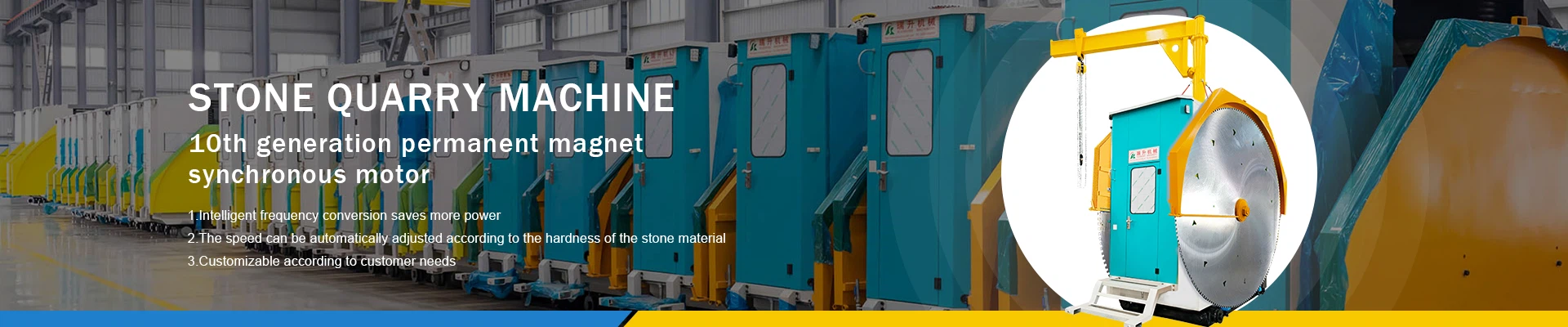
Mechanical Cutting: In some cases, mechanical cutting tools like diamond-tipped saws are used to extract marble blocks. These tools are particularly useful for extracting large, high-quality blocks.
Manual Tools: In smaller or more traditional quarries, workers may still use manual tools like chisels and hammers to carve out marble blocks. This method is labor-intensive but can be more precise for certain applications.
4. Transportation
Loading and Hauling: Once the marble blocks are cut, they are loaded onto specialized trucks or conveyors for transportation. Large blocks are often moved using cranes or heavy machinery.
Processing Facilities: The blocks are transported to processing facilities where they are cut into slabs, tiles, or other finished products. These facilities may be located near the quarry or at a separate location.
5. Post-Extraction Activities
Rehabilitation: After extraction, the quarry site is often rehabilitated to minimize environmental impact. This can involve reforestation, soil restoration, and other measures to restore the landscape.
Waste Management: Proper management of waste materials, such as slurry and unusable stone fragments, is crucial to minimize environmental impact.
Example: Vermont Danby Quarry
The Vermont Danby Quarry, one of the largest underground marble quarries in the world, is a prime example of modern marble extraction. The quarry uses advanced machinery, including diamond wire saws, to extract large blocks of Danby Marble. The blocks are then transported to an on-site production facility where they are processed into slabs and tiles.

How long does it take to extract marble?
The time it takes to extract marble can vary significantly depending on several factors, including the size of the marble block, the type of machinery used, and the specific quarrying techniques employed. Here's a detailed breakdown of the process and the time involved:
Extraction Process Timeline
1.Site Preparation and Quarry Development
Geological Survey and Planning: This initial phase involves assessing the quarry site and planning the extraction process. This can take several weeks to a few months, depending on the complexity of the site.
Clearing and Excavation: Removing vegetation and overburden to expose the marble deposits can take a few days to a couple of weeks.
2.Drilling and Blasting
Drilling Holes: Drilling holes into the rock for explosives can take a few days.
Blasting: The actual blasting process to loosen the marble from the quarry walls is relatively quick but requires careful planning and execution to ensure safety and efficiency.
3.Cutting the Marble Blocks
Diamond Wire Saws: Using diamond wire saws to cut large blocks of marble can take around 8 hours for a common-sized block. For larger blocks, the process may take longer.
Block Cutters: For irregular or smaller blocks, block cutters with diamond saw blades are used, which can also take several hours.
4.Transportation
Loading and Hauling: Once the blocks are cut, they are loaded onto specialized trucks or conveyors for transportation to processing facilities. This process can take a few hours to a day, depending on the distance.
5.Processing at the Fabrication Facility
Sawing and Shaping: At the fabrication facility, the marble blocks are cut into slabs using advanced diamond saws. This process can take several hours to a day, depending on the size and number of slabs being produced.
Polishing and Finishing: Polishing the marble slabs to achieve the desired finish can take anywhere from 45 minutes to several hours per slab, depending on the size and finish quality.
Total Timeline
From extraction to final polishing, the entire process can take several weeks to a few months. This timeline includes:
Site Preparation and Quarry Development: 1-3 months
Drilling and Blasting: 1-2 weeks
Cutting the Marble Blocks: 1-2 days per block
Transportation: 1 day
Processing and Finishing: 1-2 weeks
What are the main factors affecting marble extraction time?
The time required for marble extraction is influenced by several key factors, each playing a significant role in determining the overall duration of the process. Here are the main factors affecting marble extraction time:
1. Size of the Marble Block
Larger Blocks: Extracting larger marble blocks generally takes more time due to the increased volume of material and the need for more precise cutting.
Smaller Blocks: Smaller blocks can be extracted more quickly, but the process may still involve multiple steps and careful handling to ensure quality.
2. Type of Machinery Used
Diamond Wire Saws: These are highly efficient for cutting large blocks but require time to set up and operate. Cutting a large block can take around 8 hours or more.
Block Cutters: These machines are used for smaller or irregular blocks and can be quicker but still require precise operation.
Manual Tools: Traditional methods using chisels and hammers are labor-intensive and time-consuming, often taking significantly longer than modern machinery.
3. Quarrying Techniques
Selective Quarrying: This method involves extracting only high-quality marble blocks, which can be time-consuming as it requires careful selection and planning.
Wire Saw Cutting: This method minimizes dust and noise but can be slower than explosive techniques.
Blasting: Controlled blasting can be quicker but requires careful planning and safety measures, adding to the overall time.
4. Environmental and Safety Regulations
Permits and Approvals: Obtaining necessary permits and approvals from local and national authorities can take several weeks to months.
Safety Protocols: Implementing safety measures and ensuring compliance with environmental regulations can add to the initial setup time.
5. Geological Conditions
Rock Hardness: The hardness of the marble affects the cutting speed. Softer marbles can be cut more quickly, while harder marbles require more time.
Vein Patterns: The presence of natural veins and fissures can influence the cutting path and time required for extraction.
6. Transportation and Logistics
Distance to Processing Facility: The distance between the quarry and the processing facility affects transportation time. Longer distances can add several days to the process.
Infrastructure: The availability and condition of roads and transportation infrastructure can impact the efficiency of moving marble blocks.
7. Post-Extraction Activities
Rehabilitation: After extraction, the quarry site may need to be rehabilitated, which can take several weeks to months.
Waste Management: Proper management of waste materials, such as slurry and unusable stone fragments, can add to the overall time.
Example Timeline
Site Preparation and Quarry Development: 1-3 months
Drilling and Blasting: 1-2 weeks
Cutting the Marble Blocks: 1-2 days per block
Transportation: 1 day
Processing and Finishing: 1-2 weeks
What are the environmental impacts of marble quarrying?
Marble quarrying has significant environmental impacts, affecting ecosystems, water quality, air quality, and local communities. Here are the main environmental effects and some sustainable practices being adopted to mitigate these impacts:
Environmental Impacts of Marble Quarrying
1.Deforestation and Habitat Destruction:
Quarrying often requires clearing large areas of land, leading to deforestation and the destruction of wildlife habitats. This can result in the displacement of animal species and a loss of biodiversity.
2.Water Consumption and Pollution:
The extraction and processing of marble require substantial amounts of water. Contaminated water from quarrying operations can pollute local water sources, affecting both human health and aquatic life.
3.Air Pollution and Dust Emissions:
The cutting and shaping of marble release fine dust particles into the air, contributing to air pollution and posing health risks to workers and nearby communities.
4.Carbon Emissions from Transportation:
Marble is often transported over long distances, contributing to significant carbon emissions and climate change.
5.Waste Generation:
Large amounts of waste, including stone fragments and slurry, are generated during the extraction and processing stages. Improper disposal of these materials can lead to environmental degradation.
Sustainable Practices in Marble Quarrying
1.Responsible Quarrying:
Selective quarrying, where only high-quality marble blocks are extracted, reduces waste and minimizes land disturbance.
Reclamation programs restore ecosystems and support biodiversity after extraction.
2.Water Recycling:
Advanced filtration systems recycle and purify wastewater, reducing overall water consumption and preventing water pollution.
3.Energy-Efficient Technologies:
Adoption of energy-efficient machinery and renewable energy sources, such as solar power, reduces the carbon footprint of quarrying operations.
4.Waste Management:
Repurposing marble by-products for use in construction materials, such as aggregates for concrete or paving stones, reduces waste.
5.Local Sourcing:
Sourcing marble locally reduces transportation emissions and supports regional economies.
What are some examples of energy-efficient machinery used in marble quarries?
Marble quarries are increasingly adopting energy-efficient machinery to reduce their environmental impact and operational costs. Here are some examples of such machinery:
1. Solar-Powered Equipment
Solar Panels: Many modern marble factories integrate solar panels to power their machinery, significantly reducing their carbon footprint.
Hybrid Systems: Some quarries use hybrid systems that combine solar power with traditional energy sources to ensure a stable power supply.
2. Advanced Cutting and Polishing Equipment
Diamond Wire Saws: These are highly efficient for cutting large blocks of marble. They operate with lower power consumption while maintaining high levels of precision and quality.
Multi-Blade Giant Disc Saws: Machines like the JOBORN SQC2200/2500/2800-4D Plus use advanced technology to cut marble blocks efficiently. They feature energy-efficient motors and hydraulic systems that reduce power consumption.

3. Energy-Efficient Hydraulic Systems
Hydraulic Lifting Systems: Modern quarrying machines often use hydraulic systems with energy-efficient components. For example, the JOBORN machine uses a combination of chrome-plated guide pins and wear-resistant guide bushes, which improve service life and reduce maintenance costs.
4. High-Precision Screw-Nut Drives
Automatic Slicing: Some machines use high-precision screw-nut drives for forward-backward slicing, ensuring precise cuts and reducing energy consumption.
5. Exergetic Analysis and Optimization
Thermodynamic Analysis: Quarrying operations are increasingly using exergetic analysis to optimize energy use. This involves evaluating the energy and exergy efficiencies of different components and processes to identify areas for improvement.
6. Renewable Energy Integration
Wind and Solar Power: Some quarries are integrating wind turbines and solar panels to power their operations, reducing reliance on fossil fuels.
What are the main advantages of using hydraulic lifting systems in quarries?
Hydraulic lifting systems offer several key advantages in quarry operations, making them a preferred choice for many modern quarries. Here are the main benefits:
1. High Load Capacity
Hydraulic systems can handle extremely heavy loads, making them ideal for lifting large marble blocks and other heavy materials. This capability ensures that even the largest and heaviest marble slabs can be moved with ease.
2. Precision and Control
Hydraulic systems provide precise control over lifting operations. This precision is crucial for ensuring that marble blocks are lifted and positioned accurately, reducing the risk of damage to the material.
3. Reliability and Durability
Hydraulic systems are known for their reliability and durability. They can withstand the harsh conditions of a quarry environment and require less frequent maintenance compared to other types of lifting systems.
4. Safety
Hydraulic lifting systems are designed with safety in mind. They often include features such as overload protection, emergency stop mechanisms, and fail-safe systems to prevent accidents and ensure the safety of workers.
5. Energy Efficiency
Modern hydraulic systems are designed to be energy-efficient. They use advanced components and technologies to minimize energy consumption while maintaining high performance.
6. Versatility
Hydraulic systems can be integrated into a variety of quarrying equipment, including cranes, forklifts, and excavators. This versatility makes them suitable for a wide range of lifting and moving tasks within the quarry.
7. Reduced Maintenance
Hydraulic systems generally require less maintenance compared to mechanical systems. They have fewer moving parts, which reduces the likelihood of wear and tear and lowers maintenance costs over time.
8. Smooth Operation
Hydraulic systems provide smooth and controlled lifting, which is essential for handling delicate materials like marble. This smooth operation reduces the risk of chipping or cracking the marble during handling.
Can you explain the role of diamond wire saws in cutting marble blocks?
Diamond wire saws play a crucial role in the extraction and processing of marble blocks. These advanced tools are designed to cut through marble with precision and efficiency, making them indispensable in modern quarry operations. Here's a detailed explanation of their role:
1. High Precision and Clean Cuts
Precision Cutting: Diamond wire saws are known for their ability to make highly precise cuts. The diamond-impregnated wire ensures that the cuts are clean and smooth, minimizing chipping and damage to the marble.
Consistent Quality: The precision of diamond wire saws helps maintain the high quality of the marble blocks, which is essential for applications in high-end construction and sculpture.
2. Efficiency and Speed
Fast Cutting: Diamond wire saws can cut through marble relatively quickly, significantly reducing the time required for extraction. This efficiency is crucial for large-scale quarry operations.
Continuous Operation: Unlike traditional saws that need frequent blade changes, diamond wire saws can operate continuously, further increasing productivity.
3. Reduced Waste
Minimal Material Loss: The precision of diamond wire saws means that less material is wasted during the cutting process. This is particularly important for high-value materials like marble.
Optimized Block Size: By making precise cuts, diamond wire saws can maximize the size of the marble blocks extracted, reducing the need for additional processing.
4. Versatility
Versatile Applications: Diamond wire saws can be used for a variety of cutting tasks, from initial extraction to final shaping. They are suitable for both large and small marble blocks.
Adaptability: These saws can be adapted to different types of marble and other stones, making them a versatile tool in the quarry.
5. Safety and Environmental Impact
Reduced Dust and Noise: Diamond wire saws produce less dust and noise compared to traditional cutting methods, improving the working environment for quarry workers.
Lower Environmental Impact: The precision and efficiency of diamond wire saws can reduce the overall environmental impact of quarrying operations by minimizing waste and energy consumption.
6. Maintenance and Longevity
Durable Cutting Elements: The diamond-impregnated wire is highly durable and can withstand the rigors of cutting through hard materials like marble.
Long Service Life: Properly maintained diamond wire saws have a long service life, reducing the need for frequent replacements and maintenance.
Example: Vermont Danby Quarry
The Vermont Danby Quarry, one of the largest underground marble quarries in the world, uses diamond wire saws to extract large blocks of Danby Marble. These saws are highly efficient and precise, allowing for the extraction of high-quality marble blocks with minimal waste.

How does the durability of diamond wire affect its lifespan in marble cutting?
The durability of diamond wire significantly impacts its lifespan in marble cutting. High-quality diamond wires can last between 30 to 70 square meters of cutting before needing replacement. However, this can vary based on several factors:
Factors Affecting Lifespan
Material Hardness: Marble is softer and less abrasive than materials like granite, which means diamond wires used for marble cutting generally have a longer lifespan.
Cutting Conditions: The hardness and abrasiveness of the marble, as well as the cutting environment and maintenance of the machinery, affect the lifespan.
Wire Quality: High-quality wires with superior diamonds and better binding materials offer enhanced durability and cutting efficiency.
Operational Conditions: Temperature, humidity, and proper tensioning of the wire can also impact its lifespan.
Maintenance Practices: Regular cleaning, proper lubrication, and tension adjustment are crucial for extending the wire's longevity.
Best Practices to Extend Lifespan
Proper Tensioning: Maintaining the correct tension on the wire prevents plastic deformation and ensures consistent cutting quality.
Coolant Control: Using the appropriate coolant and monitoring its condition can help mitigate thermal degradation.
Regular Cleaning: Cleaning the wire regularly to remove debris and abrasive particles helps prevent abrasive wear.
Optimized Cutting Parameters: Adjusting cutting parameters such as speed, feed rate, and pressure can minimize wear and extend wire life.
Diamond Quality: High-quality diamonds are more resistant to wear and offer longer service life.
Periodic Inspection: Regularly inspect the wire for signs of wear and damage, and replace it when significant wear is detected.
How does the quality of diamond in the wire affect its performance?
The quality of diamonds in a diamond wire significantly affects its performance in cutting applications. High-quality diamonds offer superior hardness, durability, and cutting efficiency, which are crucial for the wire's overall performance. Here's a detailed look at how diamond quality impacts performance:
1. Hardness and Durability
High-Quality Diamonds: High-quality diamonds are harder and more durable, allowing them to withstand the rigors of cutting through hard materials like marble, granite, and other stones. This results in longer wire life and reduced downtime for wire replacement.
Lower-Quality Diamonds: Lower-quality diamonds may wear out more quickly, leading to more frequent replacements and higher maintenance costs.
2. Cutting Efficiency
High-Quality Diamonds: These diamonds are more efficient at cutting through materials, resulting in faster cutting speeds and smoother cuts. This is particularly important in applications where precision and speed are critical.
Lower-Quality Diamonds: Lower-quality diamonds may produce rougher cuts and require more passes to achieve the desired depth, reducing overall cutting efficiency.
3. Heat Resistance
High-Quality Diamonds: High-quality diamonds have better thermal conductivity and can withstand higher temperatures without degrading. This is crucial in high-speed cutting operations where heat generation is significant.
Lower-Quality Diamonds: Lower-quality diamonds may degrade more quickly under high heat, leading to reduced cutting performance and shorter wire life.
4. Consistency and Uniformity
High-Quality Diamonds: High-quality diamond wires have consistent and uniform diamond distribution, ensuring even cutting pressure and reducing the risk of uneven wear.
Lower-Quality Diamonds: Lower-quality wires may have inconsistent diamond distribution, leading to uneven cutting and potential damage to the material being cut.
5. Impact on Wire Life
High-Quality Diamonds: High-quality diamonds contribute to a longer wire life by maintaining their cutting edge and resisting wear. This reduces the frequency of wire replacements and overall maintenance costs.
Lower-Quality Diamonds: Lower-quality diamonds wear out more quickly, requiring more frequent replacements and increasing operational costs.
6. Environmental Conditions
High-Quality Diamonds: High-quality diamonds are more resistant to environmental factors such as moisture and chemical exposure, which can degrade lower-quality diamonds.
Lower-Quality Diamonds: Lower-quality diamonds may degrade more quickly in harsh environments, reducing their effectiveness and lifespan.
What are some common signs that a diamond wire needs to be replaced?
Knowing when to replace a diamond wire is crucial for maintaining cutting efficiency and ensuring the quality of the cuts. Here are some common signs that indicate it's time to replace your diamond wire:
1. Reduced Cutting Efficiency
Slower Cutting Speeds: If you notice that the wire is taking longer to cut through the material, it may be a sign that the diamonds are worn out.
Increased Force Required: If more force is needed to achieve the same cut, this can indicate that the wire's cutting efficiency has decreased.
2. Increased Noise and Vibration
Loud Noises: Excessive noise during cutting can indicate that the wire is not cutting smoothly, which may be due to worn-out diamonds.
Vibration: Increased vibration can be a sign of uneven cutting, suggesting that the wire is no longer performing optimally.
3. Visual Inspection
Worn Diamonds: Inspect the wire for visible signs of wear on the diamonds. If the diamonds appear dull or worn, it's time to replace the wire.
Wire Damage: Check for any physical damage to the wire, such as fraying or breaks. Damaged wires can be dangerous and should be replaced immediately.
4. Inconsistent Cuts
Rough Edges: If the cuts are no longer smooth and precise, this can indicate that the wire is worn out.
Uneven Cuts: Inconsistent cutting depth or width can be a sign that the wire is no longer cutting effectively.
5. Increased Heat Generation
Overheating: If the wire is generating more heat than usual during cutting, this can indicate that the diamonds are no longer cutting efficiently, causing the wire to work harder and generate more heat.
6. Reduced Tension
Loss of Tension: If the wire loses its tension, it may not cut effectively. Proper tension is crucial for maintaining cutting efficiency and precision.
7. Increased Maintenance
Frequent Breakdowns: If the wire is causing frequent machine breakdowns or malfunctions, it may be a sign that the wire is no longer performing as it should.
Higher Maintenance Costs: If maintenance costs are increasing due to the wire's performance, it may be more cost-effective to replace the wire.

How can I choose the right diamond wire for my specific cutting needs?
Choosing the right diamond wire for your specific cutting needs involves several key considerations. Here's a comprehensive guide to help you make an informed decision:
Key Factors to Consider
1.Material Compatibility
Hardness of Material: Different materials require different types of diamond wires. For example, harder materials like granite and reinforced concrete require more durable wires, while softer materials like marble and limestone can be cut with finer wires.
Material Composition: The composition of the material being cut will also influence the choice of diamond wire. For instance, materials with high silica content may require wires with specific diamond grit sizes.
2.Wire Diameter
Thinner Wires: Thinner wires (e.g., 0.72 mm) are ideal for fine precision cuts and are less likely to cause damage to the material.
Thicker Wires: Thicker wires (e.g., 1.83 mm) are better suited for heavier cutting tasks and provide greater durability.
3.Diamond Abrasive Size
Finer Diamonds: Finer diamond particles (e.g., 80 microns) are effective for cutting and slicing ceramic and crystal materials, providing a smoother finish.
Coarser Diamonds: Coarser diamonds are better for cutting through harder materials like granite and reinforced concrete.
4.Bonding Matrix Hardness
Softer Bonding Matrix: A softer bonding matrix allows diamonds to wear down more quickly, which can be advantageous for softer stones as it continuously exposes new cutting edges.
Harder Bonding Matrix: A harder bonding matrix is ideal for tougher materials, ensuring that the wire maintains its cutting ability over a longer period.
5.Cutting Speed and Efficiency
Faster Cutting Speeds: If your project requires faster cutting, consider vacuum brazed wires, which offer maximum cutting speed and improved wear resistance.
Balanced Cutting Speed and Lifespan: Sintered diamond wires provide a good balance of lifetime and cutting speed, making them suitable for a wide range of applications.
6.Wire Configuration and Arrangement
Continuous Wire Configuration: A continuous wire configuration may work well for softer stones requiring smooth cuts.
Segmented Configuration: A segmented configuration may be more effective for harder materials needing aggressive cutting capabilities.
7.Cost vs. Performance
Higher Quality Wires: Higher quality wires with advanced features may come at a premium, but they can significantly enhance productivity and reduce downtime.
Cost-Effectiveness: Evaluate the cost-effectiveness of different options by considering the volume of work, the expected lifespan of the wire, and the quality of cuts required.
Types of Diamond Wires
Vacuum Brazed Wires: These wires are ideal for cutting through steel, alloy, and heavily reinforced concrete. They offer maximum cutting speed and improved wear resistance, making them suitable for professional use in specialist applications.
Sintered Wires: Sintered wires provide a good balance of lifetime and cutting speed. They are suitable for handling all types of concrete and reinforced concrete cutting applications, offering longer wire life.
Electroplated Wires: Electroplated wires use an electrolytic process to attach diamonds to the steel body of the beads, resulting in very fast cutting speeds. They are best for hard concrete with heavy reinforcement and abrasive materials.
What are the common materials used in diamond wire production?
Diamond wire production involves a variety of materials, each playing a crucial role in the final product's performance. Here are the common materials used in diamond wire production:
1. Core Wire
High-Carbon Steel Wire: This is the primary material for the core of the diamond wire. It provides the necessary strength and flexibility required for cutting applications.
Tungsten Wire: In some cases, tungsten wire is used for its high tensile strength and durability.
2. Diamond Particles
Diamond Abrasives: These are the cutting elements of the wire. Diamond particles vary in size, typically ranging from a few microns to tens of microns. Smaller particles provide smoother cutting surfaces but may cut slower.
3. Bonding Materials
Electroplating: This method involves depositing a layer of metal (usually nickel or nickel-cobalt alloy) to bond the diamond particles to the steel wire. Electroplating ensures uniform and stable diamond distribution.
Resin Bonding: Resin is used to bond diamond particles to the wire, providing flexibility and smooth cutting performance.
4. Coating Technology
Electroplating Technology: This is often used to evenly coat diamond particles onto the steel wire, ensuring uniformity and stability during cutting.
5. Other Materials
Sintered Powder: Used in the production process to create a matrix that holds the diamond particles.
Rubber: Applied to form a protective layer on the surface of the diamond wire saw, enhancing durability and preventing rust.


