

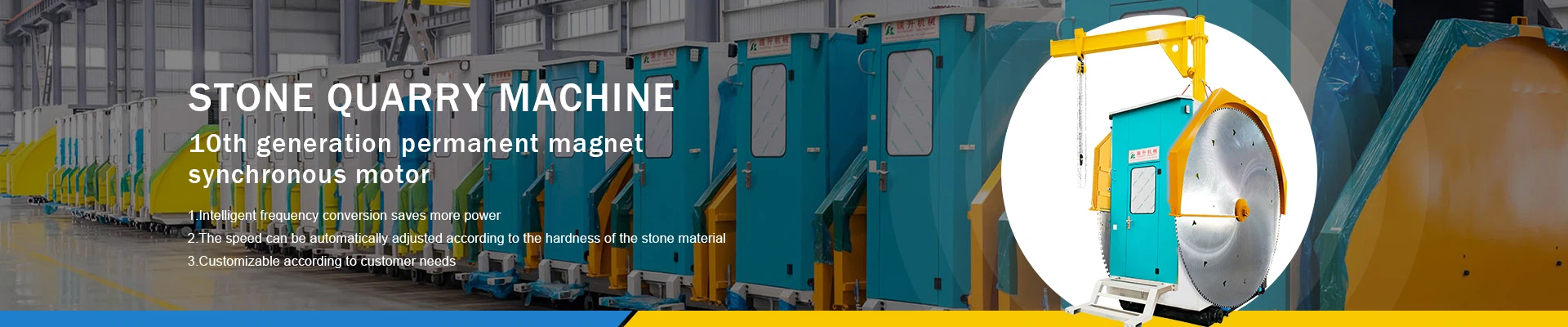
The world's largest underground marble quarry is the Vermont Danby Quarry, located in Dorset, Vermont. This quarry is a remarkable feat of engineering and has been in operation since 1903. It spans an area of about 19 acres and extends over a mile into Dorset Mountain. The quarry produces Danby Marble, which is renowned for its pure white color and consistent quality.
The Vermont Danby Quarry is not only significant for its size but also for its historical and architectural contributions. The marble extracted from this quarry has been used in many iconic structures around the world, including the U.S. Supreme Court Building, the Jefferson Memorial, and the Chiang Kai-shek Memorial Hall in Taiwan.
The quarry operates with modern machinery and employs a workforce that uses diamond-tipped saws to cut the marble. The blocks are then transported to an on-site production facility, which is one of the largest in the United States. This facility can produce up to 4,000 square feet of marble slabs per day.
The Vermont Danby Quarry is a testament to the enduring beauty and utility of marble, as well as the ingenuity and craftsmanship of those who extract and process it.

How is marble extracted from the quarry?
Marble extraction from quarries is a complex and multi-step process that involves careful planning, advanced machinery, and skilled labor. Here's a detailed overview of how marble is extracted from quarries:
1. Site Preparation
Geological Survey: The first step involves a thorough geological survey to identify the best locations for extraction. Geologists assess the quality, depth, and extent of the marble deposits.
Permitting and Planning: Obtain necessary permits and approvals from local and national authorities. Develop a detailed extraction plan, including the layout of the quarry and the transportation infrastructure.
2. Quarry Development
Clearing and Excavation: Clear the area of vegetation and topsoil. Excavate to expose the marble deposits. This often involves removing large amounts of overburden (the material above the marble layer).
Drilling and Blasting: Drill holes into the rock and insert explosives to break the marble into manageable pieces. Controlled blasting is used to minimize damage to the surrounding rock and ensure safety.
3. Extraction Process
Diamond Wire Saws: Modern quarries often use diamond wire saws to cut large blocks of marble from the quarry face. These saws are highly efficient and precise, allowing for clean cuts and minimal waste.
Mechanical Cutting: In some cases, mechanical cutting tools like diamond-tipped saws are used to extract marble blocks. These tools are particularly useful for extracting large, high-quality blocks.
Manual Tools: In smaller or more traditional quarries, workers may still use manual tools like chisels and hammers to carve out marble blocks. This method is labor-intensive but can be more precise for certain applications.
4. Transportation
Loading and Hauling: Once the marble blocks are cut, they are loaded onto specialized trucks or conveyors for transportation. Large blocks are often moved using cranes or heavy machinery.
Processing Facilities: The blocks are transported to processing facilities where they are cut into slabs, tiles, or other finished products. These facilities may be located near the quarry or at a separate location.
5. Post-Extraction Activities
Rehabilitation: After extraction, the quarry site is often rehabilitated to minimize environmental impact. This can involve reforestation, soil restoration, and other measures to restore the landscape.
Waste Management: Proper management of waste materials, such as slurry and unusable stone fragments, is crucial to minimize environmental impact.
6. Quality Control
Inspection and Testing: The extracted marble is inspected for quality and consistency. Samples may be tested for hardness, durability, and other properties to ensure they meet industry standards.
Grading and Sorting: Marble blocks are graded and sorted based on their quality, size, and intended use. High-quality blocks are reserved for premium applications, while lower-quality blocks may be used for more utilitarian purposes.
Example: Vermont Danby Quarry
The Vermont Danby Quarry, one of the largest underground marble quarries in the world, is a prime example of modern marble extraction. The quarry uses advanced machinery, including diamond wire saws, to extract large blocks of Danby Marble. The blocks are then transported to an on-site production facility where they are processed into slabs and tiles.
What are the environmental impacts of marble extraction?
Marble extraction has significant environmental impacts, affecting air and water quality, contributing to deforestation, and causing habitat destruction. The process often involves heavy machinery that emits pollutants like carbon dioxide and sulfur dioxide, contributing to air pollution. Water sources can be contaminated by chemicals and heavy metals from the mining process, harming aquatic life and human health. Additionally, the transportation of marble from quarries to processing plants and markets contributes to air pollution and greenhouse gas emissions.
The extraction process also leads to deforestation and soil erosion, which can result in flooding and landslides. The use of explosives in mining releases dust and harmful particles into the air, causing respiratory problems for nearby communities. Moreover, the disposal of waste and excess material from mining can lead to water pollution.
To mitigate these impacts, sustainable practices such as minimizing waste, using green energy sources, and implementing proper waste disposal methods are essential. Government regulations can also help ensure that mining companies are held accountable for their environmental impact. Additionally, raising awareness about the environmental impact of marble mining and encouraging responsible practices in the industry can help protect natural resources and preserve the environment for future generations.
How can we reduce the environmental impact of marble extraction?
To reduce the environmental impact of marble extraction, several sustainable practices are being adopted across the industry. Here are some key strategies:
1. Water Recycling
Many companies are now implementing advanced filtration systems that allow for water recycling in marble processing. These systems collect and purify wastewater, allowing it to be reused multiple times, thereby reducing overall water consumption.
2. Sustainable Mining Practices
Selective Quarrying: This involves extracting only high-quality marble blocks, reducing the amount of waste generated during the process.
Wire Saw Cutting: This method minimizes dust, noise, and emissions compared to traditional explosive techniques.
Land Reclamation: After extraction, companies are replanting trees, reshaping the landscape, and rehabilitating ecosystems to ensure that quarrying sites can eventually return to their original form or be repurposed for other uses.
3. Energy-Efficient Equipment
The adoption of energy-efficient machinery, such as solar-powered equipment, is becoming more common. This not only reduces carbon emissions but also provides cost savings over time. Additionally, innovations in machinery design have improved energy efficiency, with new cutting and polishing equipment designed to operate with lower power consumption.
4. Waste Management
Marble processing generates significant amounts of waste, particularly in the form of marble dust and offcuts. Modern waste management practices aim to minimize waste and find new uses for marble by-products:
Reuse in Construction: Marble waste can be used as an aggregate in concrete or asphalt, reducing the need for virgin materials.
Synthetic Marble and Terrazzo: Some companies are exploring the use of marble by-products in the production of synthetic marble and terrazzo.
5. Carbon Footprint Reduction
Renewable Energy: Using renewable energy sources, such as solar and wind power, plays a critical role in reducing the carbon footprint of marble production.
Carbon Offsetting: Companies are also investing in carbon offset programs, such as reforestation initiatives or renewable energy projects in other sectors.
6. Local Sourcing
Choosing locally quarried marble can significantly reduce transportation emissions. For example, projects in Chicago can select suppliers within the region to minimize environmental costs.
7. Reclaimed and Recycled Marble
Using reclaimed or recycled marble from demolished buildings and renovations reduces the demand for new quarrying and helps minimize waste.
8. Proper Maintenance
A well-maintained marble surface can last for decades, reducing the need for replacement and new quarrying. Regular sealing, cleaning, and professional care can keep marble installations looking pristine for years to come.
By adopting these sustainable practices, the marble industry can significantly reduce its environmental impact while maintaining operational efficiency and meeting consumer demand for eco-friendly products.
What are some sustainable practices in marble mining?
To reduce the environmental impact of marble extraction, several sustainable practices are being adopted across the industry. Here are some key strategies:
1. Water Recycling
Many companies are now implementing advanced filtration systems that allow for water recycling in marble processing. These systems collect and purify wastewater, allowing it to be reused multiple times, thereby reducing overall water consumption. This not only conserves a valuable resource but also helps prevent water pollution.
2. Sustainable Mining Practices
Selective Quarrying: This involves extracting only high-quality marble blocks, reducing the amount of waste generated during the process.
Wire Saw Cutting: This method minimizes dust, noise, and emissions compared to traditional explosive techniques.
Land Reclamation: Companies are replanting trees, reshaping the landscape, and rehabilitating ecosystems to ensure that quarrying sites can eventually return to their original form or be repurposed for other uses.
3. Carbon Footprint Reduction
Renewable Energy: The use of renewable energy sources, such as solar and wind power, plays a critical role in reducing the carbon footprint of marble processing. By powering machinery with clean energy, companies can significantly cut their greenhouse gas emissions.
Carbon Offsetting: Companies are also investing in carbon offset programs, such as reforestation initiatives or renewable energy projects in other sectors.
4. Waste Management
Marble processing generates significant amounts of waste, particularly in the form of marble dust and offcuts. Modern waste management practices aim to minimize waste and find new uses for marble by-products:
Reuse in Construction: Marble waste can be used as an aggregate in concrete or asphalt, reducing the need for virgin materials.
Synthetic Marble and Terrazzo: Some companies are exploring the use of marble by-products in the production of synthetic marble and terrazzo.
5. Energy-Efficient Equipment
The adoption of energy-efficient machinery, such as solar-powered equipment, is becoming more common. This not only reduces carbon emissions but also provides cost savings over time. Additionally, innovations in machinery design have improved energy efficiency, with new cutting and polishing equipment designed to operate with lower power consumption.
6. Local Sourcing
Choosing locally quarried marble can significantly reduce transportation emissions. For example, projects in Chicago can select suppliers within the region to minimize environmental costs.
7. Reclaimed and Recycled Marble
Using reclaimed or recycled marble from demolished buildings and renovations reduces the demand for new quarrying and helps minimize waste.
8. Proper Maintenance
A well-maintained marble surface can last for decades, reducing the need for replacement and new quarrying. Regular sealing, cleaning, and professional care can keep marble installations looking pristine for years to come.


