

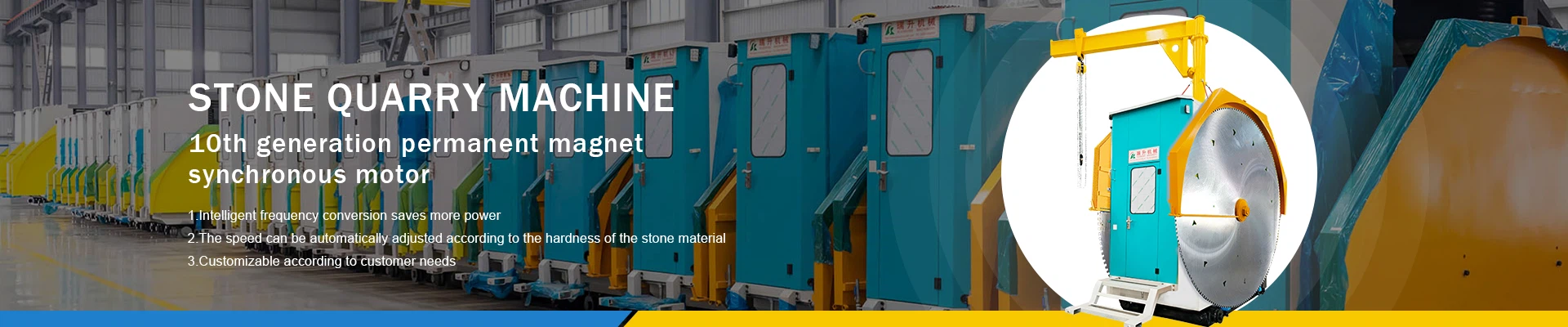
Quarrying marble is a complex and meticulous process that involves several stages, from locating the deposits to extracting and processing the stone. Here's a detailed overview of the process:
1. Locating Marble Deposits
Geological Survey: Geologists survey potential quarry sites to evaluate the quality and quantity of marble. This ensures that the stone meets industry standards for commercial use.
2. Quarrying the Marble
Diamond Wire Sawing: One of the most common methods for extracting marble is diamond wire sawing. A wire coated with diamond dust is used to slice through the marble, cutting it into large blocks. This technique is highly efficient and minimizes waste.
Drilling and Blasting: In some cases, drilling and controlled blasting are used to free large marble blocks from the quarry walls. This method is used in conjunction with other techniques to separate the marble without damaging its structure.

3. Removing the Marble Blocks
Heavy Machinery: Once the marble is cut into manageable blocks, heavy-duty cranes and loaders are used to transport the blocks to processing facilities. These marble blocks can weigh several tons, and their careful handling is crucial to prevent damage during transport.
4. Processing and Refining the Marble
Cutting the Marble Slabs: After the blocks have been transported from the quarry, they are taken to a factory for processing. The large blocks are cut into thinner slabs using gang saws or wire saws.
Polishing the Marble: Once the marble slabs are cut, they are polished to bring out their natural shine and color. Polishing machines use progressively finer abrasives to smooth the surface of the stone, giving it a reflective finish.
Custom Cutting and Finishing: Marble is often custom cut for specific applications, such as countertops, flooring, or wall cladding. Advanced machines equipped with diamond-tipped blades or water jets can cut the marble into precise shapes and sizes.

Environmental and Ethical Considerations
Sustainable Practices: Many quarries now follow strict guidelines to reduce environmental harm, including managing waste, reusing water, and rehabilitating quarry sites after mining is complete.
Ethical Sourcing: Ethical concerns are addressed through responsible sourcing. Many companies focus on transparent supply chains to ensure fair labor practices in marble mining.
How can we minimize waste during the marble extraction process?
To minimize waste during the marble extraction process, several sustainable practices can be implemented. Here are some key strategies:
1. Adopt Sustainable Mining Practices
Selective Quarrying: Extract only high-quality marble blocks to reduce waste. This method ensures that only the best material is taken, minimizing the amount of unusable stone.
Avoid Blasting: Use non-explosive methods like wire saw cutting to reduce the generation of waste and cracks in the stone.
2. Implement Water Recycling Systems
Water Filtration: Use advanced filtration systems to recycle and purify wastewater. This reduces overall water consumption and prevents contamination of local water sources.
3. Optimize Cutting and Processing Techniques
Diamond Wire Saws: These tools are highly efficient and produce less waste compared to traditional methods. They also allow for more precise cuts, reducing the need for additional processing.
Efficient Cutting Methods: Optimize cutting parameters to maximize the usable surface area of each marble slab, reducing offcuts and chips.
4. Proper Waste Management
Temporary Storage Areas: Use designated areas for waste storage to prevent contamination and erosion.
Recycling and Reuse: Find markets for waste materials, such as using small marble pieces for construction or creating by-products like filler.
5. Characterize and Monitor Waste
Waste Characterization: Analyze the waste to understand its properties and determine the best treatment methods for reuse or disposal.
Continuous Monitoring: Implement systems to monitor waste generation and manage it effectively.
6. Environmental and Reclamation Efforts
Land Reclamation: Restore mined land to its natural state or repurpose it for other uses. This includes replanting trees and reshaping the landscape.
Minimize Environmental Impact: Ensure that mining operations are environmentally friendly by using green energy sources and minimizing habitat destruction.
How can we minimize waste during the marble extraction process?
To minimize waste during the marble extraction process, several sustainable practices can be implemented. Here are some key strategies:
1. Adopt Sustainable Mining Practices
Selective Quarrying: Extract only high-quality marble blocks to reduce waste. This method ensures that only the best material is taken, minimizing the amount of unusable stone.
Avoid Blasting: Use non-explosive methods like wire saw cutting to reduce the generation of waste and cracks in the stone.
2. Implement Water Recycling Systems
Water Filtration: Use advanced filtration systems to recycle and purify wastewater. This reduces overall water consumption and prevents contamination of local water sources.
3. Optimize Cutting and Processing Techniques
Diamond Wire Saws: These tools are highly efficient and produce less waste compared to traditional methods. They also allow for more precise cuts, reducing the need for additional processing.
Efficient Cutting Methods: Optimize cutting parameters to maximize the usable surface area of each marble slab, reducing offcuts and chips.
4. Proper Waste Management
Temporary Storage Areas: Use designated areas for waste storage to prevent contamination and erosion.
Recycling and Reuse: Find markets for waste materials, such as using small marble pieces for construction or creating by-products like filler.
5. Characterize and Monitor Waste
Waste Characterization: Analyze the waste to understand its properties and determine the best treatment methods for reuse or disposal.
Continuous Monitoring: Implement systems to monitor waste generation and manage it effectively.
6. Environmental and Reclamation Efforts
Land Reclamation: Restore mined land to its natural state or repurpose it for other uses. This includes replanting trees and reshaping the landscape.
Minimize Environmental Impact: Ensure that mining operations are environmentally friendly by using green energy sources and minimizing habitat destruction.
What are the different types of marble and their uses?
Marble is a versatile and luxurious material used in various applications, from construction to art. Here are some of the most common types of marble and their typical uses:
1. Calacatta Marble
Appearance: Bright white background with bold, dark veining.
Uses: High-end interior design, countertops, backsplashes, flooring, and wall cladding.
Notable Locations: Carrara, Italy.
2. Carrara Marble
Appearance: Creamy white with fine, gray veining.
Uses: Kitchen countertops, bathroom vanities, flooring, and architectural elements.
Notable Locations: Carrara, Italy.
3. Statuario Marble
Appearance: Bright white with thin to thick gray veining, minimal color variation.
Uses: Luxury interior design, countertops, and decorative elements.
Notable Locations: Carrara, Italy.
4. Pentelic Marble
Appearance: Pure white with fine texture.
Uses: Sculptures, historical monuments, and high-end architectural projects.
Notable Locations: Mount Pentelikon, Greece.
5. Crema Marfil Marble
Appearance: High-quality beige with subtle veining.
Uses: Contemporary interior design, countertops, flooring, and wall cladding.
Notable Locations: Spain.
6. Sea Pearl Marble
Appearance: Creamy beige with occasional fossil imprints.
Uses: Interior design, countertops, and decorative elements.
Notable Locations: Turkey.
7. Makrana Marble
Appearance: Pure white, historically significant.
Uses: Historical monuments (e.g., Taj Mahal), luxury interior design.
Notable Locations: Makrana, India.
8. Green Onyx Marble
Appearance: Translucent green with layers that allow light to pass through.
Uses: Luxury interior design, backlighting applications.
Notable Locations: India.
9. Nero Marquina Marble
Appearance: High-quality black with white veins.
Uses: Contemporary interior design, countertops, and decorative elements.
Notable Locations: Spain.
10. Verde Antigua Marble
Appearance: Green with varied shades and intricate patterns.
Uses: Interior design, countertops, and decorative elements.
Notable Locations: Spain.
11. White Onyx Marble
Appearance: Translucent white with light gray veins.
Uses: Luxury interior design, backlighting applications.
Notable Locations: China.
Factors Influencing Marble Quality
Density: High-quality marble typically has a density of at least 2.6 grams per cubic centimeter.
Veining and Color: The appearance of veining and color intensity can vary greatly, affecting the marble's aesthetic appeal.
Durability: Dense varieties like Makrana are less porous and resist staining better than softer types.
What are some innovative ways to repurpose waste marble?
Repurposing waste marble is not only environmentally friendly but also economically beneficial. Here are some innovative ways to repurpose waste marble:
1. Construction and Building Materials
Concrete and Mortar: Waste marble can be used as a substitute for sand or cement in concrete and mortar, improving the strength and durability of the final product.
Bricks and Tiles: Marble waste can be incorporated into the production of bricks and tiles, reducing the need for virgin materials.
Asphalt: Marble aggregate can be used in asphalt mixtures, enhancing flexibility and performance.
2. Art and Design
Sculptures and Decorative Objects: Marble scraps can be used to create unique sculptures, vases, and other decorative items.
Furniture: Marble offcuts can be repurposed into furniture pieces like coffee tables, side tables, and desks.
Art Installations: Marble waste can be used in large-scale art installations, adding a unique aesthetic to public spaces.
3. Paper and Paint Production
Paper Industry: Marble dust can be used as a filler and pigment in paper production.
Paints and Coatings: Marble powder can act as a mineral filler in paints and coatings, providing better coverage and durability.
4. Plastics and Composites
Plastic Additives: Marble waste can be used as a mineral modifier in plastics, improving mechanical properties.
Composite Materials: Marble dust can be combined with polymers to create composite materials for various applications.
5. Environmental and Agricultural Uses
Soil Stabilization: Marble waste can be used to stabilize problematic soils in construction projects.
Agriculture: Marble dust can be used as an additive in pesticides and animal feed.
6. Other Innovative Uses
Marble Beaches Project: In Italy, marble waste is being used to address coastal erosion by creating sustainable beach materials.
Fashion: Marble waste can be repurposed into unique fashion accessories and jewelry.

What are the benefits of using diamond wire saws over traditional methods?
Diamond wire saws offer several significant advantages over traditional cutting methods, such as circular saws, chain saws, or manual cutting tools. These benefits make diamond wire saws particularly effective and efficient for a wide range of applications, especially in construction, demolition, and stone processing. Here are the key advantages:
1. Precision and Clean Cuts
High Precision: Diamond wire saws provide extremely precise cuts with minimal deviation. This is crucial for applications where accuracy is essential, such as in architectural stone cutting or precision engineering.
Smooth Edges: The cutting process results in smooth, clean edges with minimal chipping or fracturing. This reduces the need for additional finishing work, saving time and labor.
2. Versatility
Material Compatibility: Diamond wire saws can cut through a wide range of materials, including concrete, reinforced concrete, stone, marble, granite, and even steel. This versatility makes them suitable for various industries.
Complex Shapes: They can handle intricate shapes and curves, making them ideal for custom designs and complex projects that traditional methods might struggle with.
3. Efficiency
Faster Cutting: Diamond wire saws typically offer faster cutting speeds compared to traditional methods, especially for hard materials like granite or reinforced concrete. This leads to increased productivity and reduced project timelines.
Reduced Labor: The automated nature of diamond wire saws reduces the need for manual labor, minimizing the risk of human error and improving overall efficiency.
4. Safety
Reduced Dust and Debris: The cutting process generates less dust and debris compared to traditional methods like circular saws or jackhammers. This improves air quality and reduces the risk of respiratory issues for workers.
Lower Noise Levels: Diamond wire saws operate at lower noise levels, creating a safer and more comfortable working environment.
5. Minimal Vibration
Low Vibration: Unlike traditional cutting methods that can cause significant vibration, diamond wire saws produce minimal vibration. This is particularly important when cutting near sensitive structures or in environments where vibration could cause damage.
6. Environmental Impact
Less Material Waste: The narrow kerf (cut width) of diamond wire saws results in less material waste compared to traditional methods. This is more sustainable and cost-effective, especially when working with expensive materials like marble or granite.
Energy Efficiency: Modern diamond wire saws are designed to be energy-efficient, reducing overall power consumption and operational costs.
7. Cost-Effectiveness
Lower Long-Term Costs: While the initial investment for a diamond wire saw can be higher, the long-term benefits often outweigh the costs. Reduced labor, faster cutting times, and lower maintenance requirements contribute to a lower total cost of ownership.
Higher Resale Value: Diamond wire saws typically hold their value well, making them a good investment for businesses that may need to upgrade or resell their equipment in the future.
8. Applications
Construction and Demolition: Ideal for cutting through reinforced concrete, especially in tight spaces or when precision is required.
Stone Processing: Used for cutting large blocks of stone, marble, and granite with high precision and minimal waste.
Industrial Applications: Suitable for cutting metal, ceramics, and other hard materials in manufacturing and industrial settings.
Can diamond wire saws handle all types of stone?
Diamond wire saws are highly versatile and can handle a wide range of stone types, making them a popular choice in the stone cutting industry. Here's a detailed look at their compatibility and performance with different types of stone:
Compatibility with Various Stone Types
1.Granite
Performance: Diamond wire saws are extremely effective for cutting granite, which is a hard and dense material. The diamond beads on the wire provide the necessary hardness and wear resistance to cut through granite efficiently.
Advantages: The saws can achieve high cutting speeds and produce clean, smooth edges with minimal chipping.
2.Marble
Performance: Diamond wire saws are also highly effective for cutting marble, which is softer than granite but still requires precision to avoid chipping.
Advantages: The saws offer high precision and smooth cuts, making them ideal for detailed work and minimizing material waste.
3.Limestone and Sandstone
Performance: These softer stones can also be cut efficiently with diamond wire saws. The flexibility of the wire allows for precise cuts, even in softer materials.
Advantages: The thin kerf of the diamond wire minimizes material waste, which is particularly important for softer stones that can be more easily damaged.
4. Quartzite
Performance: Quartzite, which is harder than granite, can also be cut using diamond wire saws. The high hardness and wear resistance of the diamond beads make them suitable for this challenging material.
Advantages: The saws provide clean cuts and reduce the risk of cracking or chipping, which is crucial for maintaining the integrity of the stone.
Limitations and Considerations
While diamond wire saws are highly effective for most stone types, there are some considerations:
Wire Diameter: The choice of wire diameter is crucial. Smaller diameter wires (6-8 mm) are better for softer materials like marble, while larger diameters (10-12 mm) are recommended for harder stones like granite.
Diamond Segment Configuration: The size and spacing of the diamond segments on the wire need to be matched to the specific stone type to ensure optimal cutting performance.
Cooling and Lubrication: Proper cooling and lubrication are essential to prevent overheating and ensure smooth cutting. This is particularly important when cutting harder stones.


