


Determining the size of a drill bit is essential for ensuring the right fit and performance. Here's a step-by-step guide on how to measure and identify the size of your drill bit:
Tools Needed
Calipers: Digital or dial calipers are the most accurate tools for measuring drill bits.
Ruler or Tape Measure: For less precise measurements.
Drill Bit Gauge: A specialized tool with holes of various sizes for quick measurement.
Step-by-Step Guide
1. Visual Inspection
Check for Markings: Many drill bits have their size marked on the shank. Look for numbers or letters that indicate the diameter of the bit.
Common Sizes: Standard sizes include 1/16 inch, 1/8 inch, 3/16 inch, 1/4 inch, 5/16 inch, 3/8 inch, 7/16 inch, and 1/2 inch.
2. Using Calipers
Open the Calipers: Ensure the calipers are fully open.
Place the Bit: Insert the drill bit between the jaws of the calipers. Make sure the bit is perpendicular to the jaws.
Close the Jaws: Gently close the jaws until they make contact with the bit.
Read the Measurement: Look at the display on the calipers to read the diameter. Digital calipers will show the measurement directly, while dial calipers require reading the scale.
3. Using a Ruler or Tape Measure
Place the Bit: Lay the drill bit flat on a surface.
Measure the Diameter: Use the ruler or tape measure to measure the distance across the widest part of the cutting end (the tip). This is the diameter of the bit.
Note the Measurement: Record the measurement in inches or millimeters.
4. Using a Drill Bit Gauge
Insert the Bit: Place the drill bit into the holes of the gauge until it fits snugly.
Identify the Size: The size of the hole that fits the bit is the diameter of the drill bit.
Tips for Accurate Measurement
Clean the Bit: Ensure the drill bit is clean and free of debris before measuring.
Measure at the Tip: Always measure the diameter at the cutting end of the bit, not the shank.
Double-Check: Measure the bit multiple times to ensure consistency.
Common Drill Bit Sizes
Fractional Inches: 1/16", 1/8", 3/16", 1/4", 5/16", 3/8", 7/16", 1/2"
Decimal Inches: 0.0625", 0.125", 0.1875", 0.250", 0.3125", 0.375", 0.4375", 0.500"
Metric Sizes: 1.0 mm, 2.0 mm, 3.0 mm, 4.0 mm, 5.0 mm, 6.0 mm, 7.0 mm, 8.0 mm
how to know what drill bit size to use
Choosing the right drill bit size is crucial for achieving the best results in your project. Here's a detailed guide to help you determine the appropriate drill bit size:
1. Identify the Material
Different materials require different types of drill bits and sizes. Here are some common materials and their recommended drill bits:
Wood: High-Speed Steel (HSS) or brad point bits.
Metal: HSS, cobalt, or carbide bits.
Plastic: HSS or titanium-coated bits.
Masonry: Carbide-tipped or diamond-coated bits.
2. Determine the Purpose
Pilot Holes: For screws, use a drill bit slightly smaller than the screw's shank to ensure a snug fit.
Clearance Holes: For bolts or dowels, use a drill bit that matches the diameter of the bolt or dowel.
Counterboring: For flush-mounted screws, use a countersink bit or a Forstner bit to create a flat-bottomed hole.
3. Consult a Drill Bit Size Chart
A drill bit size chart can help you match the correct bit size to your specific task. These charts are available online or in hardware stores and provide detailed information on the appropriate sizes for various applications.
4. Common Drill Bit Sizes
Here are some common drill bit sizes for different materials and applications:
For Wood:
Small Holes: 1/16 inch to 1/8 inch.
Medium Holes: 1/8 inch to 3/16 inch.
Large Holes: 3/16 inch to 1/2 inch.
For Metal:
Small Holes: 1/16 inch to 3/32 inch.
Medium Holes: 3/32 inch to 1/8 inch.
Large Holes: 1/8 inch to 1/4 inch.
For Masonry:
Small Holes: 1/8 inch to 1/4 inch.
Medium Holes: 1/4 inch to 3/8 inch.
Large Holes: 3/8 inch to 1/2 inch.
5. Use a Drill Bit Gauge
A drill bit gauge is a tool that helps you measure and identify the size of your drill bits. It can be particularly useful if you have a collection of bits and need to find the right size quickly.
6. Consider the Screw or Bolt Size
Wood Screws: Use a drill bit slightly smaller than the screw's shank. For example, for a #8 wood screw, a 5/32-inch drill bit is commonly used.
Sheet Metal Screws: Use a drill bit that matches the screw's thread size. For example, for a #8 sheet metal screw, a 3/16-inch drill bit is typically used.
Machine Screws: Use a tap drill size that corresponds to the screw's thread size. For example, for a 1/4-20 machine screw, a 21/64-inch drill bit is recommended.
7. Safety and Precision
Mark the Spot: Use a center punch or marker to mark the exact spot where you want to drill the hole. This helps guide the drill bit and ensures accuracy.
Secure the Material: Clamp the material to prevent it from moving while drilling.
Start Slow: Begin drilling at a slow speed to ensure the bit starts cutting smoothly. Apply gentle pressure to avoid damaging the material.
8. Additional Tips
Inspect the Bit: Regularly inspect your drill bits for wear or damage and replace them as needed.
Use Lubricant: When drilling metal, use cutting oil or lubricant to reduce heat and friction.
Clear Debris: Periodically retract the bit to clear out chips and debris, especially when drilling deep holes.
how to load a drill bit
Loading a drill bit into a drill is a straightforward process, but it needs to be done correctly to ensure the bit is secure and the drill operates safely. Here's a step-by-step guide on how to insert a drill bit into a drill:
For Keyless Chucks (Most Modern Drills)
1.Prepare the Drill:
Turn Off the Drill: Ensure the drill is turned off and the battery is removed (for cordless drills) or the power cord is unplugged (for corded drills).
Secure the Drill: Place the drill in a vise or hold it firmly with one hand to prevent it from moving.
2.Loosen the Chuck:
Grip the Chuck: Firmly grip the chuck with your fingers and thumb.
Turn Counterclockwise: Rotate the chuck counterclockwise to loosen it. Apply steady pressure and turn until the chuck is fully open.
3.Insert the Drill Bit:
Align the Bit: Place the drill bit into the chuck, ensuring it is fully seated and centered. The shank (the non-cutting end) of the bit should fit snugly into the chuck.
Check Alignment: Ensure the drill bit is perpendicular to the workpiece. This is crucial for drilling a straight hole.
4.Tighten the Chuck:
Grip the Chuck: Firmly grip the chuck again.
Turn Clockwise: Rotate the chuck clockwise to tighten it. Apply steady pressure and turn until the bit is securely held in place.
5.Check the Bit:
Pull the Bit: Gently pull on the bit to ensure it is firmly in place. The bit should not move when pulled.
For Keyed Chucks (Older Drills)
1.Prepare the Drill:
Turn Off the Drill: Ensure the drill is turned off and the battery is removed (for cordless drills) or the power cord is unplugged (for corded drills).
Secure the Drill: Place the drill in a vise or hold it firmly with one hand to prevent it from moving.
2.Insert the Chuck Key:
Locate the Key: Find the chuck key that came with your drill. It is usually stored on the side of the drill or in the drill case.
Insert the Key: Insert the key into one of the holes on the side of the chuck.
3.Loosen the Chuck:
Turn Counterclockwise: Turn the chuck key counterclockwise to loosen the chuck. Apply steady pressure and turn until the chuck is fully open.
4.Insert the Drill Bit:
Align the Bit: Place the drill bit into the chuck, ensuring it is fully seated and centered. The shank (the non-cutting end) of the bit should fit snugly into the chuck.
Check Alignment: Ensure the drill bit is perpendicular to the workpiece. This is crucial for drilling a straight hole.
5.Tighten the Chuck:
Insert the Key: Insert the key into one of the holes on the side of the chuck.
Turn Clockwise: Turn the chuck key clockwise to tighten the chuck. Apply steady pressure and turn until the bit is securely held in place.
Move to Next Hole: Move the key to the next hole and repeat the process. Continue until the bit is fully tightened.
6.Check the Bit:
Pull the Bit: Gently pull on the bit to ensure it is firmly in place. The bit should not move when pulled.
how to lock drill bit
Locking a drill bit securely in the chuck of your drill is essential for effective drilling and safety. Here's a detailed guide on how to lock a drill bit in place for the three most common types of chucks: keyed, keyless, and quick-change.
For a Keyed Chuck:
1.Unplug the Drill:
Always unplug the drill or remove the battery to prevent accidental activation.
2.Locate the Chuck Key:
The chuck key is usually stored on the side of the drill or in a compartment on the drill case.
3.Loosen the Chuck:
Insert the key into one of the holes on the chuck.
Turn the key counterclockwise to loosen the chuck. You should feel the chuck getting looser as you turn the key.
4.Insert the Drill Bit:
Place the new drill bit into the chuck. Ensure it is centered and aligned properly.
5.Tighten the Chuck:
Use the chuck key again, but this time turn it clockwise to tighten the chuck around the new drill bit. Make sure it is snug and secure.
6.Test the Bit:
Plug in the drill or insert the battery, and give it a quick test to ensure the bit is spinning properly and not wobbling.
For a Keyless Chuck:
1.Unplug the Drill:
Always unplug the drill or remove the battery to prevent accidental activation.
2.Loosen the Chuck:
Grip the collar or sleeve on the chuck and turn it counterclockwise to loosen the chuck.
3.Insert the Drill Bit:
Place the new drill bit into the chuck, making sure it is centered.
4.Tighten the Chuck:
Twist the collar clockwise to tighten the chuck around the new drill bit. You may need to apply some force to get it tight enough.
5.Test the Bit:
Plug in the drill or insert the battery and give it a quick test to ensure the bit is secure and spinning smoothly.
For a Quick-Change Chuck:
1.Unplug the Drill:
Always unplug the drill or remove the battery to prevent accidental activation.
2.Press the Release Button:
Quick-change chucks usually have a button or lever that you press to release the bit.
3.Insert the Drill Bit:
Push the new bit into the holder until it clicks into place.
4.Test the Bit:
Plug in the drill or insert the battery and give it a quick test to ensure the bit is secure and spinning smoothly.
Additional Tips for Ensuring the Bit Stays in Place
Ensure Proper Alignment: Make sure the drill bit is centered and properly aligned in the chuck. Misalignment can cause the bit to wobble or come loose.
Apply Even Pressure: When tightening the chuck, apply even pressure to ensure the bit is securely held.
Check for Wear: Regularly inspect the chuck and drill bit for signs of wear or damage. A worn chuck or bit can lead to slippage.
Use the Right Bit: Ensure the drill bit is the correct size and type for your project. Using the wrong bit can lead to poor performance and potential slippage.
Secure the Drill: When drilling, ensure the drill is held firmly and securely to prevent it from moving or vibrating excessively.
how to make a drill bit longer
To make a drill bit longer, you can use several effective methods. Here are some of the most common techniques:
1. Using Drill Bit Extensions
Drill bit extensions are specialized tools designed to increase the reach of your drill bit. These extensions are available in various lengths and diameters, so it's essential to choose one that matches the size of your drill bit and the depth you need to reach.
2. Utilizing Drill Bit Adapters
Drill bit adapters offer greater flexibility and functionality. They allow you to connect multiple drill bits or other tools, providing a customizable length and reach for your setup.
3. Employing Extension Rods
Extension rods are typically used for specific applications, such as drilling into deep wells or reaching down into narrow spaces. These rods are often made of durable materials like stainless steel or fiberglass and can be connected to the drill bit or a specialized adapter.
4. Creating a DIY Extension
For a budget-friendly option, you can create your own drill bit extension using a sturdy metal rod, a drill bit, a nut, and a washer. This method is cost-effective and customizable.
5. Using a Drill Press
When dealing with extremely deep holes, a drill press can offer superior stability and control over a handheld drill. The drill press's sturdy frame and precise adjustment capabilities minimize vibrations and ensure accurate drilling.
6. The "Rod and Coupling" Technique
This technique involves using a long metal rod as the extension and attaching it to the drill bit and drill chuck using couplings. The couplings provide a secure connection between the rod and the bit, allowing for a substantial extension.

Tips for Extending Drill Bit Length
Use the Right Drill: Select a drill with sufficient power and torque to handle the extended drill bit.
Apply Steady Pressure: Avoid excessive pressure to prevent the drill bit from bending or breaking.
Maintain Alignment: Ensure the drill bit remains perpendicular to the drilling surface for accurate and consistent drilling.
Use Lubricant: Applying lubricant to the drill bit can reduce friction and prevent overheating.
Check for Wear: Regularly inspect the drill bit and extension for signs of wear or damage.
how to make a drill bit magnetic
To make a drill bit magnetic, you can use a method that involves creating a strong magnetic field around the bit. Here's a step-by-step guide on how to do it:
Step-by-Step Guide to Magnetize a Drill Bit
1.Gather Materials:
Drill Bit: The bit you want to magnetize.
Coated Wire: Copper wire or any other conductive wire.
Battery: A 9V battery or any other power source.
Alligator Clips: To connect the wire to the battery.
Safety Gear: Wear gloves and safety goggles to protect yourself.
2.Prepare the Drill Bit:
Clean the Bit: Ensure the drill bit is clean and free of any debris or oil.
Mark the Spot: Use a marker to mark the area where you want to magnetize the bit.
3.Wrap the Wire:
Wrap the Wire: Wrap the coated wire around the drill bit, leaving enough wire at both ends to connect to the battery. The more turns of wire, the stronger the magnetic field will be.
4.Connect the Battery:
Connect the Wire: Use alligator clips to connect one end of the wire to the positive terminal of the battery and the other end to the negative terminal.
Create the Magnetic Field: When the circuit is complete, a magnetic field will be generated around the drill bit. This field will magnetize the bit.
5.Test the Magnetization:
Check Magnetism: After a few minutes, disconnect the wire from the battery and test the drill bit's magnetism by seeing if it attracts small metal objects.
6.Safety Precautions:
Avoid Overheating: Do not leave the circuit connected for too long, as it can overheat the wire and the drill bit.
Use Insulated Tools: Ensure the wire and clips are insulated to avoid electrical shocks.

Tips for Magnetizing Drill Bits
Use the Right Wire: Copper wire is a good choice due to its high conductivity.
Control the Current: Use a battery with a low voltage to avoid excessive current, which can damage the bit or cause it to overheat.
Test the Bit: Regularly test the bit's magnetism to ensure it is magnetized to your satisfaction.
how to make drill bit
Creating a drill bit involves a series of precise and controlled manufacturing steps to ensure durability and effectiveness. Here's an overview of the process:
1. Material Selection
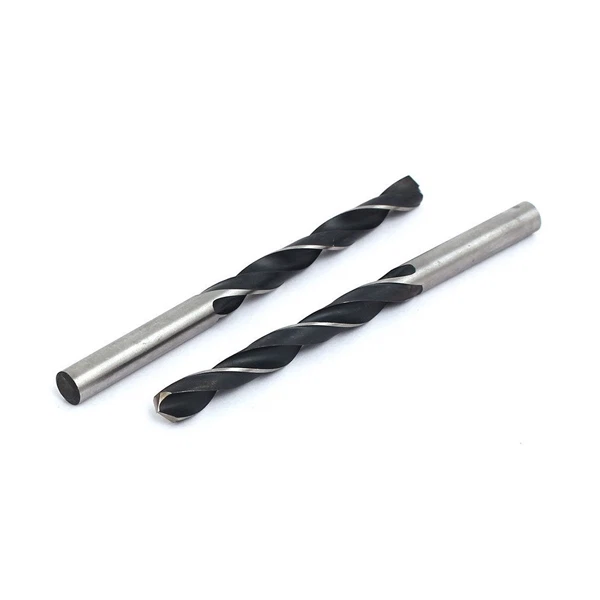
The first step in manufacturing a drill bit is selecting the right material. Common materials include high-speed steel (HSS), tungsten carbide, and other high-strength alloys. These materials are chosen for their hardness, durability, and ability to withstand high temperatures.
2. Powder Metallurgy
For carbide drill bits, the process begins with tungsten carbide powder mixed with cobalt powder. This mixture is then pressed into shape and sintered at high temperatures to form a solid, durable bit. The sintering process involves heating the pressed powder to a temperature just below its melting point, allowing the particles to bond together without fully melting.
3. Shaping and Grinding
Once the material is prepared, it is shaped into the form of a drill bit. This involves:
Pressing: The powder mixture is loaded into molds and compressed under high pressure to form the rough shape of the drill bit.
Grinding: The rough-formed bits are then ground to create the precise cutting edges and flutes. This step is crucial for ensuring the bit can cut through materials effectively.
4. Heat Treatment
Heat treatment is a critical step in enhancing the hardness and durability of the drill bit. The bits are heated to specific temperatures and then cooled slowly to achieve the desired properties. For carbide bits, this involves a sintering process at around 1,400°C (2,552°F).
5. Surface Treatments
To further enhance the performance and longevity of the drill bits, they often undergo surface treatments:
Coatings: Applying coatings like titanium nitride (TiN) or diamond-like carbon (DLC) can improve wear resistance and reduce friction.
Cryogenic Treatment: Freezing the bits to extremely low temperatures can enhance their molecular structure, making them more durable.
6. Quality Control
Each drill bit undergoes rigorous quality control checks to ensure it meets the required standards. This includes:
Dimensional Checks: Ensuring the bit is the correct size and shape.
Hardness Testing: Verifying the bit's hardness to ensure it can withstand drilling conditions.
Surface Finish Inspection: Checking for defects and ensuring a smooth surface.
7. Packaging and Distribution
Finally, the drill bits are cleaned, inspected one last time, and packaged for distribution. They are then ready to be shipped to hardware stores, tool suppliers, and end-users.
how to measure drill bit angle
To measure the angle of a drill bit, you can use a drill bit angle gauge or a protractor. Here's how to do it:
Using a Drill Bit Angle Gauge
1.Gather the Necessary Tools:
Drill Bit: The bit you want to measure.
Drill Bit Angle Gauge: A tool designed to measure the angle of a drill bit.
2.Prepare the Drill Bit:
Clean the Bit: Ensure the drill bit is clean and free of any debris or oil.
Mark the Spot: Use a marker to mark the area where you want to measure the angle.
3.Align the Gauge:
Place the Gauge on the Bit: Align the edge of the gauge with the cutting edge of the drill bit.
Check the Angle: The gauge will have markings for different angles (e.g., 118° and 135°). Align the gauge to see which angle matches the drill bit.
4.Confirm the Measurement:
Adjust the Bit: If the angle does not match the desired angle, you may need to adjust the bit using a grinder or file.
Using a Protractor
1.Gather the Necessary Tools:
Drill Bit: The bit you want to measure.
Protractor: A tool used to measure angles.
Flat Surface: A stable, flat surface to place the drill bit on.
2.Prepare the Drill Bit:
Clean the Bit: Ensure the drill bit is clean and free of any debris or oil.
Mark the Spot: Use a marker to mark the area where you want to measure the angle.
3.Align the Protractor:
Place the Bit on the Surface: Lay the drill bit flat on the surface with the cutting edge facing up.
Place the Protractor: Align the protractor with the cutting edge of the drill bit. The center of the protractor should be at the tip of the bit.
4.Measure the Angle:
Read the Angle: Use the protractor to measure the angle between the cutting edges of the drill bit. The typical angle for a twist drill bit is 118°.
5.Confirm the Measurement:
Adjust the Bit: If the angle does not match the desired angle, you may need to adjust the bit using a grinder or file.
Common Drill Bit Angles
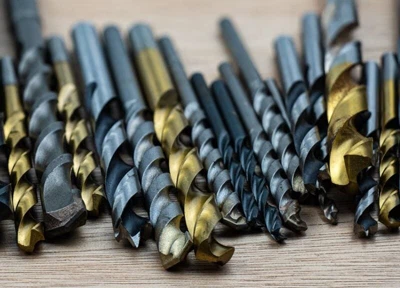
118°: This is the most common angle for general-purpose drilling in soft materials like wood, plastic, and aluminum.
135°: This angle is more suitable for harder materials like steel. It provides a gentler cut and reduces tool wear.
how to measure drill bit diameter
Measuring the diameter of a drill bit is essential for ensuring you have the correct size for your project. Here's a step-by-step guide on how to measure the diameter of a drill bit accurately:
Tools Needed
Digital Calipers: These provide precise measurements and are ideal for measuring drill bits.
Micrometer: For extremely precise measurements, especially for very small drill bits.
Ruler or Tape Measure: For less precise measurements.
Steps to Measure Drill Bit Diameter
1. Prepare the Drill Bit
Ensure the drill bit is clean and free of debris to get an accurate measurement.
2. Using Digital Calipers
Open the Calipers: Open the jaws of the digital calipers wide enough to fit the drill bit.
Place the Bit in the Calipers: Insert the drill bit into the jaws of the calipers. Ensure the jaws are flat against the bit to get an accurate measurement.
Read the Measurement: Close the jaws gently around the bit and read the measurement displayed on the calipers. This will give you the diameter of the drill bit.
3. Using a Micrometer
Open the Micrometer: Open the jaws of the micrometer wide enough to fit the drill bit.
Place the Bit in the Micrometer: Insert the drill bit between the anvil and spindle of the micrometer.
Read the Measurement: Turn the thimble until the bit is firmly but gently held between the jaws. Read the measurement on the micrometer's scale.
4. Using a Ruler or Tape Measure
Lay the Bit Flat: Lay the drill bit flat on a clean, flat surface.
Measure the Diameter: Use the ruler or tape measure to measure the diameter of the bit. Place the ruler or tape measure across the widest part of the bit to get the diameter.
Tips for Accurate Measurements
Clean the Bit: Ensure the drill bit is clean and free of debris before measuring.
Hold the Bit Firmly: When using calipers or a micrometer, hold the bit firmly but gently to avoid deforming it.
Check Multiple Points: Measure the bit at multiple points to ensure consistency, especially for the diameter.
Use the Right Tool: For the most accurate measurements, use digital calipers or a micrometer. Rulers and tape measures are less precise.
Example
If you measure a drill bit with digital calipers and find that the diameter is 3.175 mm, this corresponds to a 1/8-inch drill bit.


